

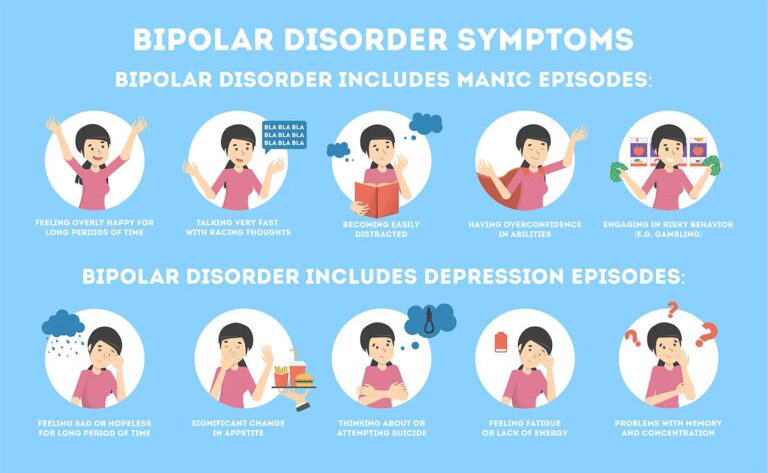
New research highlights a critical challenge in the treatment of bipolar disorder: cognitive impairments tend to worsen if remission is not achieved. According to a recent article published in Psychology Today, patients who do not reach sustained remission experience a marked decline in cognitive functions such as memory, attention, and executive functioning. This emerging evidence underscores the importance of early and effective intervention strategies aimed not only at mood stabilization but also at preserving cognitive health in individuals living with bipolar illness.
The Impact of Persistent Symptoms on Cognitive Decline in Bipolar Disorder
Persistent symptoms in bipolar disorder, such as mood instability, sleep disturbances, and chronic stress, have a profound effect on cognitive functioning. Studies increasingly show that when these symptoms are not fully managed or brought into remission, individuals face accelerated declines in memory, attention, and executive functioning. This cognitive deterioration not only complicates day-to-day decision-making but also diminishes overall quality of life, making long-term recovery a significant challenge for patients and clinicians alike.
Emerging research highlights several key risk factors linked to ongoing cognitive impairment in bipolar disorder:
- Duration and severity of mood episodes that remain untreated
- Frequency of subthreshold symptoms that persist between major mood episodes
- Impact of medication adherence on maintaining cognitive stability
- Comorbid conditions such as anxiety and metabolic syndromes
| Symptom Persistence | Associated Cognitive Impact | Clinical Implication |
|---|---|---|
| Mood Instability | Impaired executive function | Need for mood stabilizers |
| Sleep Disturbances | Reduced memory retention | Targeted sleep therapy |
| Chronic Stress | Attention deficits | Stress management programs |
Understanding the Link Between Mood Stability and Brain Function
Recent studies emphasize that mood stability is more than just symptom management in bipolar disorder; it plays a critical role in maintaining healthy brain function. Fluctuations in mood states, particularly when remission is not achieved, have been linked to progressive changes in cognitive abilities such as memory, attention, and executive functioning. Neuroimaging research reveals that persistent mood instability can contribute to structural and functional alterations in key brain regions, including the prefrontal cortex and hippocampus, which are essential for cognitive processing.
Experts suggest that without consistent mood regulation, individuals may face accelerated cognitive decline due to ongoing neurobiological stress. Key factors contributing to these cognitive deteriorations include:
- Chronic inflammation: Linked to neuronal damage and impaired synaptic function
- Neurotransmitter imbalances: Affecting signaling pathways crucial for cognition
- Reduced neuroplasticity: Limiting the brain’s ability to adapt and recover
- Medication inconsistencies: Leading to suboptimal mood control and brain health
| Brain Region | Role in Cognition | Impact of Mood Instability | ||||||||||||
|---|---|---|---|---|---|---|---|---|---|---|---|---|---|---|
| Prefrontal Cortex | Decision-making, planning | Impaired executive function | ||||||||||||
| Hippocampus | Memory formation, learning | Strategies for Managing Cognitive Health Beyond Remission in Bipolar Illness
Maintaining cognitive health in bipolar illness requires a comprehensive approach that extends well beyond symptom remission. One key strategy is regular cognitive assessments, which help identify subtle changes before they escalate. Early intervention can then be tailored to address specific issues such as memory lapses or difficulties with executive functioning. Incorporating structured routines, such as consistent sleep schedules and balanced nutrition, supports brain health and reduces cognitive strain. Additionally, engaging in mentally stimulating activities like puzzles, reading, or learning new skills has shown promising effects on neuroplasticity and cognitive resilience. Pharmacological treatments also play a pivotal role, but they must be carefully managed to balance mood stabilization with minimal cognitive side effects. Below is a comparison of common medication classes and their typical cognitive impacts:
Wrapping UpAs researchers continue to unravel the complexities of bipolar disorder, the link between remission and cognitive function remains a critical area of focus. This emerging evidence underscores the importance of early and sustained treatment strategies aimed not only at mood stabilization but also at preserving cognitive health. For patients and clinicians alike, understanding that cognitive decline may worsen without achieving remission highlights the need for comprehensive care approaches. Ongoing studies and heightened awareness promise to inform better interventions, offering hope for improved quality of life for those living with bipolar illness. 
Caleb Wilson
A war correspondent who bravely reports from the front lines. Related Posts


|