
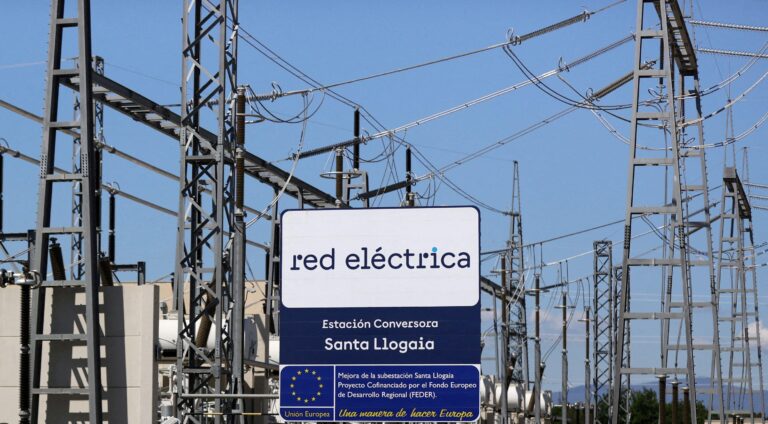
Spain’s ambitious plans to expand its data center infrastructure face mounting challenges as the country’s power grid approaches saturation, raising concerns over energy availability and sustainability. According to a recent Bloomberg.com report, the strain on Spain’s electrical network threatens to derail investments and slow the growth of the booming digital economy. As data centers demand vast and reliable energy supplies, industry stakeholders and policymakers are grappling with how to balance rapid technological development against the limitations of the existing power infrastructure.
Spain Faces Growing Power Grid Constraints Threatening Data Center Expansion
Spain’s ambition to become a leading data center hub is increasingly challenged by its overstretched power infrastructure. With the surge in demand for cloud services and digital storage, the current electrical grid is struggling to keep pace with the energy-intensive requirements of new facilities. Industry insiders warn that without swift investment and modernization, ongoing power constraints could force project delays or even cancellations, threatening Spain’s position in the competitive European data center market.
Key factors contributing to the power grid strain include:
- High regional energy consumption due to industrial and residential growth
- Limited capacity for renewable integration amidst carbon reduction goals
- Lengthy permit and infrastructure upgrade timelines
| Region | Current Grid Load | Data Center Demand Growth (%) |
|---|---|---|
| Catalonia | 88% | 25% |
| Madrid | 92% | 30% |
| Andalusia | 75% | 20% |
Impact of Energy Saturation on Spain’s Emerging Tech Infrastructure Sector
Spain’s tech infrastructure growth is facing significant hurdles as the nation’s energy grid approaches its maximum capacity. The rapid expansion of data centers-central to fueling advancements in cloud computing, AI, and IoT-demands an unprecedented volume of reliable electricity. Yet, with limited grid upgrades and the current energy mix heavily reliant on renewables that fluctuate seasonally, power availability has become a bottleneck. Stakeholders worry that without substantial investments in grid modernization and storage solutions, ambitious projects could stall, slowing Spain’s rise as a tech hub in Southern Europe.
Industry experts highlight several key challenges exacerbated by the saturation:
- Increased operational costs due to peak energy prices and the need for backup power sources.
- Regulatory hurdles linked to prioritizing industrial users over residential and commercial customers under grid strain.
- Delays and uncertainties in project timelines as securing stable power contracts grows more difficult.
To illustrate the imbalance between demand and supply, below is a snapshot comparing projected energy needs of emerging data centers versus available grid capacity in 2024:
| Parameter | Projected Requirement (MW) | Available Grid Capacity (MW) |
|---|---|---|
| Data Centers (New Developments) | 420 | 550 |
| Existing Industrial Demand | 350 | |
| Residential and Commercial Usage | 180 |
Strategies for Unlocking Grid Capacity and Securing Sustainable Data Center Growth
To tackle Spain’s strained electrical infrastructure, industry leaders are exploring innovative ways to expand grid capacity without compromising sustainability. Demand response programs have gained traction, enabling data centers to adjust power consumption during peak periods, thereby alleviating pressure on the grid. Furthermore, investments in decentralized energy resources such as on-site solar generation and battery storage systems offer self-sufficiency that eases grid dependency. These strategies not only counteract current limitations but also pave the way for adaptive, resilient operations aligned with Spain’s clean energy goals.
Collaboration between public and private sectors is crucial in implementing scalable solutions. Utilities are working closely with data center operators to integrate smart grid technologies-like advanced metering infrastructure and AI-driven load forecasting-to optimize energy distribution. Below is a snapshot of key approaches and their projected impact on grid stability and data center sustainability:
| Strategy | Impact on Grid | Benefit for Data Centers |
|---|---|---|
| Demand Response Programs | Reduces peak load stress | Flexible energy costs |
| On-Site Renewable Generation | Decreases external demand | Improved energy independence |
| Battery Storage Solutions | Provides load balancing | Backup power during outages |
| Smart Grid Technologies | Enhances distribution efficiency | Predictive load management |
In Summary
As Spain grapples with the constraints of its saturated power grid, the country’s ambitions to become a leading hub for data centers face mounting challenges. Without significant investments in energy infrastructure and renewable capacity, industry experts warn that the strain on the electrical network could hinder growth and undermine Spain’s competitiveness in the global digital economy. Policymakers and stakeholders will need to act swiftly to balance demand and sustainability, ensuring that Spain’s digital aspirations do not falter under the weight of an overstretched power system.