
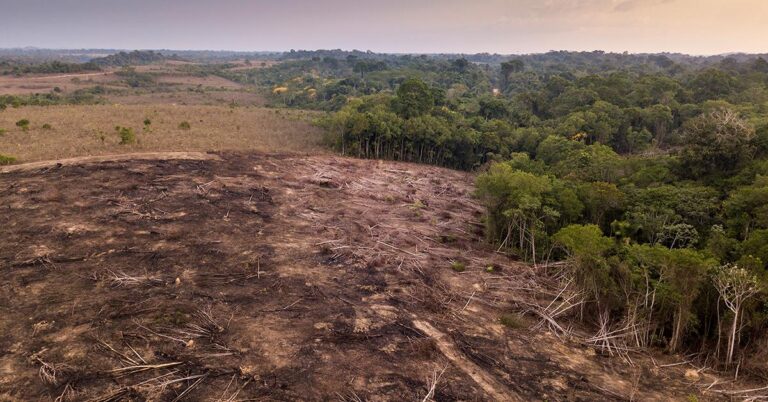
Deforestation in Brazil’s Amazon rainforest has decreased by 11% over the past year, accompanied by a significant 45% drop in areas affected by wildfires, according to recent data reported by Butler Nature. The figures signal a notable improvement in the efforts to curb environmental destruction in the world’s largest tropical rainforest, which plays a critical role in global climate regulation. Experts attribute the decline to a combination of strengthened enforcement policies and favorable weather conditions, though concerns remain about long-term sustainability.
Amazon Deforestation in Brazil Experiences Significant Decline Amid Conservation Efforts
Recent data reveals a notable 11% decrease in deforestation rates across the Brazilian Amazon, marking a pivotal shift in the battle against forest loss. This decline aligns with strengthened enforcement of environmental policies, increased surveillance, and collaborative efforts involving local communities, NGOs, and government agencies. Significantly, areas affected by fires have plummeted by nearly 45%, underscoring the success of targeted fire prevention campaigns and rapid response mechanisms implemented over the past year.
Key drivers behind these improvements include:
- Enhanced satellite monitoring systems providing real-time alerts
- Community-led forest guardianship programs
- Stricter penalties for illegal logging and land clearing
- Expanded protected areas and indigenous reserves
| Indicator | 2023 Figure | Change from 2022 |
|---|---|---|
| Deforestation Rate (km²) | 8,050 | -11% |
| Burned Areas (km²) | 3,300 | -45% |
| Protected Land Coverage (%) | 47 | +3% |
Burned Areas in the Amazon See Sharp Reduction Highlighting Impact of Seasonal Controls
Recent satellite data reveals a striking decline in the extent of burned areas across the Amazon rainforest, underscoring the effectiveness of seasonal fire control measures implemented throughout the region. After years of widespread fires exacerbated by drought and illegal land-clearing practices, coordinated efforts between governmental agencies and local communities have led to a 45% reduction in burned zones compared to the same period last year. Experts attribute this sharp improvement to targeted fire prevention campaigns, enhanced monitoring patrols, and timely restrictions on agricultural burning activities during critical months.
This downturn in fire incidence is reinforced by broader environmental policies promoting sustainable land management. The decrease in burned territories plays a crucial role in preserving biodiversity and curbing greenhouse gas emissions. Key highlights include:
- Stricter enforcement: Increased fines and surveillance have discouraged unauthorized burning.
- Community engagement: Indigenous groups and local farmers actively participate in fire prevention.
- Improved weather forecasting: Early warnings help avoid high-risk fire windows.
The following table summarizes the comparative data on burned areas in major Amazon states, reflecting consistent reductions across the board:
| State | Burned Area 2023 (km²) | Burned Area 2024 (km²) | Change (%) |
|---|---|---|---|
| Amazonas | 1,500 | 800 | -47% |
| Para | 2,200 | 1,250 | -43% |
| Mato Grosso | 3,000 | 1,800 | -40% |
| Rondonia | 900 | 450 | -50% |
Experts Urge Strengthening Environmental Policies to Sustain Progress in Forest Preservation
Despite the notable 11% reduction in deforestation rates and a staggering 45% decrease in burned areas in the Brazilian Amazon, environmental experts warn that these gains remain fragile. They emphasize the urgent need for reinforced policies focused on enforcement, sustainable land use, and community engagement to ensure that progress is not only maintained but accelerated. Without robust governance and increased funding for monitoring, illegal activities such as logging and land grabbing could quickly reverse recent achievements.
Experts have outlined several key strategies crucial for sustaining forest preservation efforts:
- Improved surveillance technology: Deploying satellite imagery and drones for real-time tracking.
- Stronger legal frameworks: Enhancing penalties and ensuring swift prosecution of environmental violations.
- Community-led initiatives: Supporting indigenous and local populations in conservation efforts.
- Economic incentives: Promoting sustainable agriculture and ecotourism in deforested regions.
| Indicator | 2019 | 2023 | Change |
|---|---|---|---|
| Deforestation Rate (sq km) | 10,150 | 9,040 | -11% |
| Burned Area (sq km) | 6,800 | 3,740 | -45% |
| Illegal Logging Cases | 2,300 | 1,980 | -14% |
| Conservation Funding (USD millions) | 85 | 110 | +29% |
To Wrap It Up
The recent decline in deforestation and burned areas in the Brazilian Amazon marks a promising development in the ongoing efforts to protect the world’s largest rainforest. While the 11% drop in deforestation and 45% reduction in burned zones signal progress, experts caution that sustained vigilance and effective policy enforcement remain crucial. As Brazil continues to grapple with environmental challenges, the international community will be watching closely to see if these positive trends can be maintained and expanded in the years ahead.