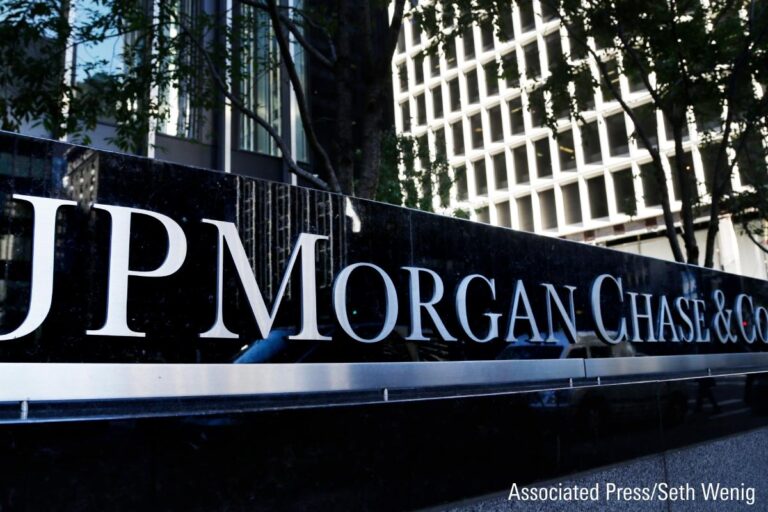
In a landmark enforcement action, JPMorgan has been fined a record €45 million by German regulators for serious shortcomings in its anti-money laundering (AML) controls. The penalty, one of the largest of its kind in Germany, underscores the increasing scrutiny financial institutions face amid growing efforts to combat financial crime. This development highlights ongoing challenges within the banking sector to effectively identify and mitigate risks associated with money laundering activities, as authorities intensify their clampdown on compliance failures.
JPMorgan Faces Historic Penalty in Germany Over AML Compliance Failures
In a landmark enforcement action, German regulators have imposed a record €45 million fine on JPMorgan Chase for significant anti-money laundering (AML) deficiencies. The penalty highlights systemic lapses in the bank’s internal controls, which failed to detect and prevent suspicious transactions linked to high-risk clients. This steep fine marks one of the largest AML-related sanctions levied against a foreign bank operating in Germany, underscoring the increasing regulatory scrutiny on compliance frameworks within major global financial institutions.
Key findings from the investigation include:
- Insufficient due diligence on politically exposed persons (PEPs) and high-risk entities
- Delayed reporting of suspicious activities to the relevant authorities
- Lack of adequate transaction monitoring systems tailored to Germany’s regulatory environment
The German financial watchdog emphasized that JPMorgan must urgently revamp its AML protocols, introducing more robust, Germany-specific compliance measures. Failure to comply with these directives could result in even harsher penalties, raising questions about the bank’s capacity to manage risks in one of Europe’s key markets. Industry experts suggest this case will serve as a stern warning for international banks adapting their compliance standards amid tightening regulations.
| Category | Issue Identified | Recommended Action |
|---|---|---|
| Client Screening | Inadequate PEP checks | Implement enhanced due diligence |
| Transaction Monitoring | Insufficient alert mechanisms | Upgrade AI-based monitoring tools |
| Reporting | Delayed suspicious activity reports | Streamline AML reporting processes |
Regulatory Details Reveal Gaps in JPMorgan’s Anti-Money Laundering Controls
Regulatory scrutiny of JPMorgan’s operations in Germany has unveiled significant deficiencies in the bank’s anti-money laundering (AML) protocols. Despite robust internal compliance frameworks globally, German authorities identified lapses that allowed suspicious transactions to slip through undetected. Key issues highlighted include incomplete customer due diligence processes and inadequate transaction monitoring systems, which failed to flag high-risk activities in a timely manner. The €45 million penalty, the largest ever imposed by German regulators for AML breaches, underscores the urgent need for financial institutions to enhance oversight mechanisms and streamline risk assessment procedures.
Critical findings from the regulatory report include:
- Insufficient verification of client identities during onboarding
- Delayed reporting of suspicious transactions to authorities
- Lack of comprehensive audits on AML control effectiveness
- Gaps in employee training regarding evolving money laundering techniques
| Aspect | Regulatory Concern | Impact |
|---|---|---|
| Customer Due Diligence | Incomplete KYC checks | Increased exposure to illicit funds |
| Transaction Monitoring | Failure to flag suspicious patterns | Delayed intervention |
| Employee Training | Outdated AML knowledge | Reduced detection capability |
Experts Urge Enhanced Monitoring and Robust Risk Management Practices for Financial Institutions
Financial sector experts have voiced strong concerns following JPMorgan’s unprecedented €45 million fine imposed by German regulators due to significant anti-money laundering (AML) deficiencies. Industry specialists emphasize that this high-profile penalty highlights the urgent need for financial institutions to advance their compliance frameworks through enhanced monitoring systems and a more proactive approach towards risk identification. These measures are critical not only to meet increasingly stringent regulatory expectations but also to safeguard the integrity of the global financial system.
Key recommendations focus on a multifaceted risk management strategy incorporating:
- Real-time transaction surveillance powered by AI and machine learning to detect anomalous activities promptly.
- Comprehensive staff training to ensure awareness of evolving money laundering tactics.
- Regular independent audits and continuous improvements of AML policies.
Such robust frameworks can prevent recurring lapses and enhance transparency. Below is a simplified comparison of the potential impact of traditional versus enhanced monitoring approaches within financial institutions:
| Monitoring Aspect | Traditional Method | Enhanced Approach |
|---|---|---|
| Detection Speed | Delayed | Real-time |
| False Positives | High | Reduced via AI filtering |
| Regulatory Compliance | Reactive | Proactive |
Wrapping Up
The record €45 million fine imposed on JPMorgan in Germany underscores the increasing regulatory scrutiny facing global financial institutions over anti-money laundering compliance. As authorities intensify efforts to clamp down on financial crime, this case serves as a stark reminder of the critical importance of robust AML controls. Industry players will be watching closely to see how JPMorgan responds and adapts its practices in the wake of this landmark penalty.