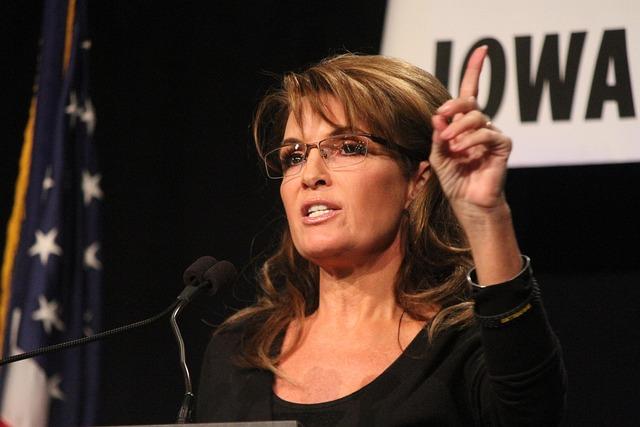
Violence erupted at a Turning Point USA event held on the University of California, Berkeley campus, escalating tensions at a location long known for political activism and free speech debates. According to witnesses and law enforcement officials, clashes between demonstrators and attendees disrupted the gathering, prompting a significant police presence and raising concerns over campus safety. The incident marks a troubling moment in the ongoing national discourse surrounding political expression and protest on college campuses.
Violence Erupts During Turning Point USA Event at UC Berkeley Campus
Chaos unfolded when demonstrators and attendees clashed during the campus gathering organized by Turning Point USA. Reports from eyewitnesses describe heated confrontations escalating into physical altercations, prompting a swift response from university security and local law enforcement. Several individuals were reportedly injured, with medical personnel on site attending to minor wounds. Authorities have begun an investigation to identify those responsible and assess the extent of the damages to university property.
- Location: Sproul Plaza, UC Berkeley
- Time: Late afternoon, 3:30 PM
- Law enforcement presence: UC Police and Berkeley PD
- Injuries reported: 5 treated on site
- Event status: Cut short due to violence
| Group | Estimated Attendance | Incident Type | Response |
|---|---|---|---|
| Turning Point USA Supporters | 150+ | Physical altercations | Security intervention |
| Counter-Protesters | 100+ | Shouting, minor scuffles | Police dispersal |
| University Staff | 20 | Medical aid | First aid and evacuation |
Underlying Causes Behind the Clashes and Campus Security Challenges
The tensions culminating in the violent outbreak at the Turning Point USA event can be traced to deep-rooted ideological divides that have intensified on university campuses nationwide. UC Berkeley, known for its history of activism and vocal political engagement, has once again become the stage for conflicting viewpoints clashing in ways that sometimes spiral into unrest. Factors such as increased polarization among student groups, amplified rhetoric on social media platforms, and a lack of effective dialogue mechanisms contribute to a volatile atmosphere. These undercurrents create fertile ground for confrontations, particularly when events with controversial speakers or agendas draw attention from opposing factions.
Meanwhile, campus security faces a multi-layered challenge in balancing safety with the preservation of free speech rights. The unpredictability of crowd behavior coupled with limited resources strains law enforcement’s ability to preempt or swiftly de-escalate situations. Security protocols are further complicated by the diverse nature of participants, who include protesters, counter-protesters, and bystanders with varying intentions. Highlighting these dynamic challenges, the following table summarizes key factors influencing campus security at politically charged events:
| Factor | Impact | Security Challenge |
|---|---|---|
| Ideological Polarization | Heightens emotional responses | Risk of violent confrontations |
| Social Media Amplification | Spreads misinformation rapidly | Difficult to monitor real-time sentiments |
| Diverse Crowd Composition | Includes agitators and peaceful attendees | Challenges in identifying threats before escalation |
| Resource Limitations | Limited personnel and technology | Constraints on proactive intervention |
Recommendations for Preventing Future Campus Conflicts and Ensuring Safe Political Expression
To mitigate the risk of future campus disturbances, universities must adopt comprehensive strategies that balance robust security measures with the protection of free speech. Implementing clear, enforceable codes of conduct for event attendees and organizers can set expectations early, while collaborating with student groups to facilitate dialogues before controversial events ensures mutual understanding and reduces tensions. Moreover, campus security should receive specialized training to effectively and impartially manage political demonstrations without escalating conflicts.
In addition, institutions should prioritize safe spaces for political expression by providing designated areas where diverse viewpoints can be shared respectfully. Empowering student-led initiatives focused on civility and conflict resolution promotes a culture of tolerance. The table below summarizes key recommendations for universities aiming to prevent campus conflicts:
| Strategy | Benefit | |
|---|---|---|
| Clear Event Conduct Policies | Sets behavioral expectations | |
| Pre-Event Dialogue with Stakeholders | Reduces misunderstandings | |
| Specialized Security Training | Safely manages protests | |
| Designated Political Expression Zones | Encourages respectful discourse | |
| Student-Led Civility Programs | Student-Led Civility Programs | Promotes a culture of tolerance |
| Strategy | Benefit |
|---|---|
| Clear Event Conduct Policies | Sets behavioral expectations |
| Pre-Event Dialogue with Stakeholders | Reduces misunderstandings |
| Specialized Security Training | Safely manages protests |
| Designated Political Expression Zones | Encourages respectful discourse |
| Student-Led Civility Programs | Promotes a culture of tolerance |
If you need help with anything else related to this content, feel free to ask!
Key Takeaways
The incident at UC Berkeley’s Turning Point USA event highlights the ongoing tensions surrounding political discourse on college campuses. As investigations continue, university officials and local authorities emphasize the importance of maintaining safety and open dialogue in environments that foster diverse viewpoints. The community awaits further updates as efforts are made to address the causes and consequences of the violence that erupted.

A seasoned investigative journalist known for her sharp wit and tenacity.
Related Posts