
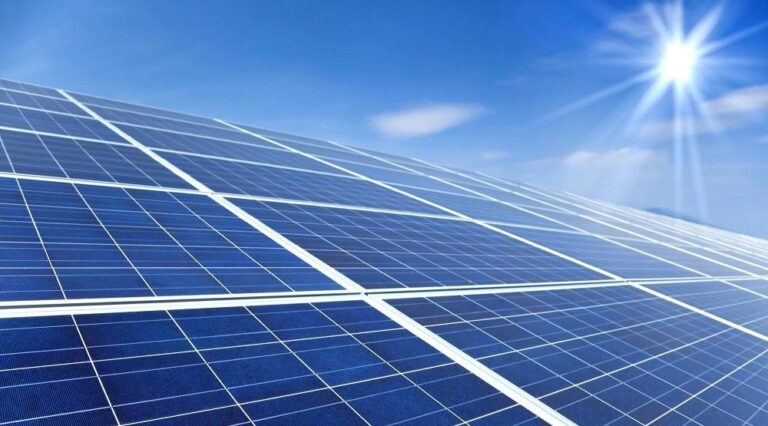
China’s transformation into a global solar power powerhouse has not only reshaped its domestic energy landscape but also altered the dynamics of international relations. From humble beginnings in the early 2000s, China’s rapid expansion in solar technology manufacturing and deployment has positioned it at the forefront of the renewable energy revolution. This article examines the strategic foreign policy decisions, economic investments, and geopolitical ambitions that have propelled China to lead the world in solar energy production, highlighting the implications for global energy markets and international diplomacy.
China’s Strategic Investments Propel Solar Industry Growth
China’s rapid ascendancy in solar power has been fueled by an unprecedented wave of strategic investments, both at the governmental and corporate levels. Over the past decade, Beijing has injected billions into solar technology research and infrastructure, ensuring a vertically integrated supply chain that stretches from polysilicon production to panel assembly. This approach not only reduced costs but also secured China’s dominance in global solar exports. Furthermore, targeted subsidies and preferential policies nurtured domestic champions, enabling them to innovate aggressively and scale operations swiftly.
Key drivers behind China’s solar industry surge include:
- Massive state-directed funding for R&D and manufacturing facilities
- Robust domestic demand supported by ambitious national renewable energy targets
- Strategic acquisition of global solar patents and intellectual property
- A skilled workforce trained in advanced manufacturing techniques
- Integration with Belt and Road Initiative to expand international markets
| Year | Investment (Billion USD) | Installed Capacity (GW) |
|---|---|---|
| 2015 | 8.5 | 43 |
| 2018 | 14.3 | 174 |
| 2023 | 22.7 | 340 |
Diplomatic Initiatives Expand China’s Influence in Global Renewable Markets
China’s strategic diplomatic outreach has been a cornerstone in solidifying its dominant role in the global renewable energy sector. By weaving solar initiatives into its foreign aid and trade agreements, Beijing has successfully positioned itself as a crucial partner for developing nations aiming to leapfrog traditional energy infrastructures. This approach not only strengthens economic ties but also bolsters China’s political leverage across Asia, Africa, and Latin America. Key projects under the Belt and Road Initiative have funneled billions into solar power plants, manufacturing hubs, and technology transfer programs, creating new markets while fostering dependency on Chinese technology and expertise.
China’s foreign policy leverages several mechanisms that facilitate its expansive reach:
- Financial Instruments: Offering low-interest loans and grants dedicated to renewable projects.
- Technology Sharing Agreements: Promoting joint ventures that aid local capacity building in solar technology.
- Diplomatic Forums: Utilizing platforms like the Forum on China-Africa Cooperation (FOCAC) to champion clean energy collaborations.
| Region | Chinese Solar Investment (2023) | Key Partner Countries |
|---|---|---|
| Africa | $3.4B | Kenya, Nigeria, South Africa |
| Asia | $5.1B | Pakistan, Kazakhstan, Indonesia |
| Latin America | $2.2B | Argentina, Brazil, Chile |
Policy Recommendations to Balance Geopolitical Ambitions with Sustainable Development Goals
To effectively reconcile geopolitical aspirations with the imperatives of sustainable development, China’s foreign policy must prioritize transparent multilateral cooperation over unilateral dominance. Encouraging open technology sharing and joint ventures in solar innovation can reduce global tensions and foster equitable economic growth. Moreover, integrating environmental safeguards into international agreements will ensure that expansionist efforts are not achieved at the expense of ecological integrity. Strong diplomatic frameworks should incentivize partner countries to adopt greener infrastructure, aligning energy advancements with local socio-economic needs.
Policy frameworks should also embrace inclusive investment models that balance national security interests with broader developmental goals. The following table outlines key strategies suitable for harmonizing strategic ambitions with sustainable practices:
| Strategy | Geopolitical Benefit | Sustainability Impact |
|---|---|---|
| Joint Solar Research Initiatives | Strengthens alliances through knowledge exchange | Accelerates clean energy deployment globally |
| Green Infrastructure Financing | Expands influence via development aid | Promotes resilient and low-emission systems |
| Environmental Standards in Trade | Establishes leadership in responsible commerce | Minimizes carbon footprint of supply chains |
Closing Remarks
China’s rapid ascension as a global solar power underscores the complex interplay of domestic ambitions and strategic foreign policy. By leveraging industrial capacity, state-backed innovation, and international partnerships, Beijing has reshaped not only its own energy landscape but also the global renewable market. As the world grapples with climate change and energy security, China’s solar success story offers both opportunities and challenges-highlighting the critical role of geopolitics in the transition to a sustainable future. Observers will be watching closely to see how China’s solar influence continues to evolve in the coming years.