
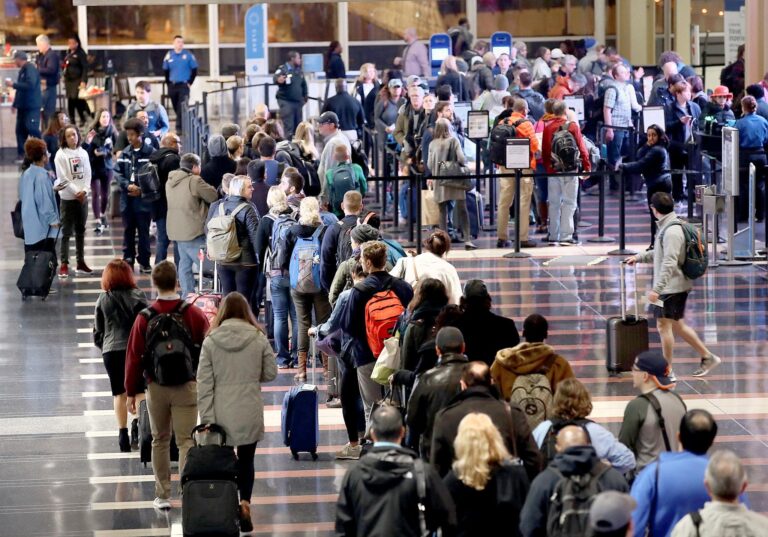
As millions of Americans prepare to hit the skies for Thanksgiving, concerns are mounting over recent flight cuts announced by major airlines. With schedules trimmed amid staffing shortages and operational challenges, travelers are left wondering whether these reductions will disrupt their holiday plans. This article examines the potential impact of flight cancellations and delays on Thanksgiving travel, offering insights from industry experts and advice for passengers navigating what is already one of the busiest travel periods of the year.
Flight Cuts Raise Concerns for Holiday Travelers and Airport Crowding
Travelers gearing up for the Thanksgiving holiday are facing growing uncertainty as numerous airlines announce significant reductions in flight schedules. These cutbacks, aimed at managing operational costs and adjusting to fluctuating demand, have left many wondering if their travel plans will be disrupted. With fewer flights available, passengers may encounter higher ticket prices, limited options for direct routes, and an increased risk of overbooked flights. Experts warn that the usual holiday rush could amplify challenges, with airports potentially experiencing heightened congestion despite fewer flights.
Key impacts of the flight reductions include:
- Increased competition for remaining seats, driving up prices.
- Greater likelihood of flight delays and cancellations.
- Longer wait times at security and check-in counters as airports adjust staffing.
| Airport | % Reduction in Flights | Peak Travel Delay Expected |
|---|---|---|
| Chicago O’Hare (ORD) | 15% | 45 minutes |
| Los Angeles (LAX) | 10% | 30 minutes |
| New York JFK | 12% | 40 minutes |
Airline Adjustments and Strategies to Minimize Disruptions This Thanksgiving
In response to the recent wave of flight reductions, major airlines have implemented a series of tactical measures aimed at cushioning the impact on Thanksgiving travelers. Among these, many carriers are prioritizing frequently traveled routes and increasing staffing at key hubs to alleviate bottlenecks. To maintain operational fluidity, airlines have also optimized flight schedules with built-in buffers, minimizing the cascade effect of delays. Proactive communication has been emphasized, with automated alerts and mobile app updates providing real-time information to passengers regarding gate changes and potential disruptions.
Additionally, airlines are offering increased flexibility with ticket changes and cancellations, acknowledging the uncertainty many face this holiday season. Notably, some have expanded their waiver policies, allowing travelers to reschedule without hefty fees. Below is a quick overview of common strategies airlines are deploying:
- Route prioritization: Focusing resources on high-demand routes.
- Staff augmentation: Bringing in additional ground and flight personnel.
- Flexible booking policies: Enhanced change and cancellation options.
- Real-time updates: Robust use of mobile platforms for timely passenger communication.
| Strategy | Benefit | Passenger Impact |
|---|---|---|
| Schedule Buffers | Reduces delay ripple effects | More on-time departures and arrivals |
| Waiver Policies | Allows flexible travel plans | Less stress over cancellations or rescheduling |
| Staff Augmentation | Improves operational efficiency | Shorter check-in and boarding times |
Expert Tips to Secure Your Seat and Navigate Potential Delays Effectively
Travelers should act quickly to lock down their reservations as airlines adjust schedules and cut flights. Booking as early as possible remains crucial, especially for popular Thanksgiving routes. Consider flexible tickets that allow changes without hefty fees. Don’t shy away from alternative airports within a reasonable distance – sometimes a short drive can spell the difference between delayed departure and smooth takeoff. Additionally, signing up for airline alerts ensures you receive real-time updates on gate changes or cancellations, helping you pivot plans faster.
On the day of travel, anticipate longer wait times at security and boarding gates. Carrying snacks and entertainment can ease layovers during unexpected delays. Here’s a quick rundown of essential tips to stay ahead:
- Check in online and download boarding passes the night before
- Arrive at the airport at least two hours early for domestic flights, three for international
- Pack light to breeze through security
- Stay informed via airline apps and Twitter feeds for instant updates
| Tip | Why It Helps |
|---|---|
| Early Booking | Secures seat before cuts reduce availability |
| Alternative Airports | More flight options, fewer cancellations |
| Flexible Tickets | Easy changes if flights are rescheduled |
| Real-Time Alerts | Instant notifications about disruptions |
Wrapping Up
As Thanksgiving approaches, travelers should stay informed about ongoing flight reductions and monitor updates from airlines and airports. While some routes may see decreased availability, planning ahead and remaining flexible can help mitigate potential disruptions. For the latest information, passengers are encouraged to check with their carriers and consider alternative travel options as needed.