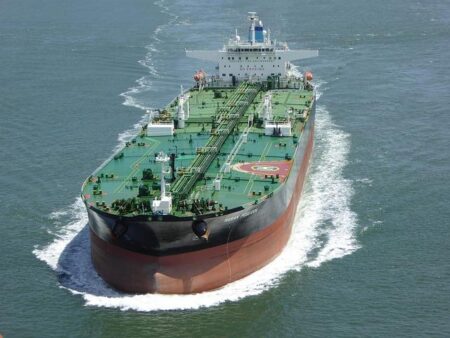

Turkey and NATO have intensified discussions on enhancing security measures in the Black Sea region following recent attacks on vessels linked to Russia, according to a report by Turkish Minute. The talks come amid rising tensions and concerns over maritime safety in a strategically critical area, highlighting Ankara’s pivotal role in regional security dynamics. The developments underscore the growing complexities faced by NATO allies in addressing security challenges posed by ongoing conflicts and geopolitical rivalries near the Black Sea.
Turkey and NATO Convene to Address Escalating Black Sea Security Threats
Turkey and NATO officials have intensified discussions focused on stabilizing maritime operations in the Black Sea amid a surge in security incidents involving vessels linked to Russia. The recent attacks on ships connected to Moscow have sparked concerns over escalating tensions, prompting calls for enhanced coordination between alliance members and regional partners. Turkish representatives emphasized the importance of maintaining freedom of navigation and safeguarding critical maritime routes to prevent further disruptions.
Key points addressed during the convening included:
- Strengthening intelligence-sharing mechanisms to detect and respond to emerging threats.
- Increasing joint naval exercises to improve operational readiness.
- Exploring diplomatic efforts to ease regional hostilities and promote maritime rules adherence.
| Issue | Proposed Action | Expected Outcome |
|---|---|---|
| Ship Attacks | Enhanced Naval Patrols | Improved Security |
| Information Gaps | Real-time Data Sharing | Faster Threat Detection |
| Regional Tensions | Diplomatic Engagements | Conflict De-escalation |
Detailed Analysis of Recent Attacks on Russia-Linked Vessels and Regional Implications
The recent series of attacks targeting Russia-linked vessels in the Black Sea has sent ripples through regional security dynamics, prompting urgent dialogues between Turkey and NATO members. These incidents, marked by the use of sophisticated underwater explosives and unmanned maritime drones, illustrate an escalation in the maritime confrontations that threaten commercial shipping lanes and energy transit routes. Analysts note that the attacks are not merely tactical strikes but carry strategic implications, potentially aimed at undermining Russia’s naval mobility and signaling broader geopolitical tensions in the Black Sea theater.
Key factors influencing the situation include:
- Increased military presence: Both NATO and Russia have ramped up patrols and naval exercises, heightening the risk of miscalculation.
- Energy security concerns: The Black Sea serves as a critical chokepoint for natural gas pipelines and maritime trade, making stability here vital.
- Political signaling: The attacks could be interpreted as attempts to pressure Turkey and neighboring countries to align or reconsider their Black Sea policies.
- Rules of engagement ambiguity: Lack of clear maritime regulations between Black Sea littoral states complicates response coordination.
| Attacks Timeline | Vessel Type | Location | Reported Damage |
|---|---|---|---|
| March 12, 2024 | Cargo Ship | Western Black Sea | Hull breach, moderate |
| April 5, 2024 | Oil Tanker | Kerch Strait | Engine disabled |
| May 18, 2024 | Fishing Vessel | Near Odessa | Minor damages |
Strategic Recommendations for Strengthening Multinational Maritime Surveillance and Response
In light of recent escalations in the Black Sea, enhancing collaborative frameworks among Turkey, NATO members, and regional partners is crucial to ensure robust maritime security. Priority should be given to establishing a unified command structure that facilitates real-time intelligence sharing and joint operational planning. By leveraging advanced surveillance technologies such as unmanned aerial vehicles (UAVs), satellite reconnaissance, and AI-driven analytics, multinational forces can significantly improve early threat detection and response coordination. Furthermore, regular joint exercises aimed at simulating asymmetric maritime threats will bolster interoperability and readiness among naval units.
The strategic approach must also emphasize diplomatic engagement alongside military preparedness. A multi-layered framework incorporating:
- Transparent communication channels to prevent misunderstandings and manage crises;
- Harmonized rules of engagement to avoid escalation during maritime incidents;
- Shared logistical support to enhance sustainment of prolonged operations;
- Commitment to freedom of navigation to uphold international maritime law and deter aggressive actions.
Ultimately, these measures will forge a resilient maritime security architecture in the Black Sea basin, deterring hostile activities while reinforcing peace and stability throughout this strategic waterway.
Wrapping Up
As tensions continue to mount in the Black Sea region, the recent discussions between Turkey and NATO underscore the strategic importance of securing vital maritime routes amid increasing hostilities. Both parties appear committed to enhancing cooperation to deter further attacks on Russia-linked vessels and to uphold stability in this geopolitically sensitive area. Observers will be closely watching how these diplomatic dialogues translate into concrete measures on the ground, as the security dynamics in the Black Sea remain a critical focus for regional and global security alike.