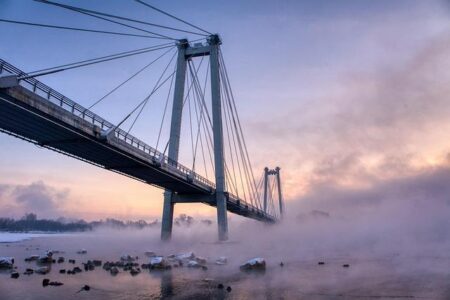

Amid escalating geopolitical tensions in the Arctic, France is revising its polar strategy to assert a more prominent role in the region. The French government’s updated approach, detailed in recent statements and documents, reflects growing concerns over security, environmental challenges, and economic opportunities as melting ice opens new maritime routes and access to natural resources. As competition intensifies among Arctic and non-Arctic states, France aims to bolster its presence and influence in this strategically vital and rapidly changing frontier.
France Strengthens Arctic Presence to Counter Geopolitical Rivalries
France is significantly boosting its commitment to the Arctic region, recognizing the strategic importance of this increasingly contested space. With rising competition among global powers over access to natural resources and emerging shipping routes, Paris aims to solidify its influence through enhanced military presence, robust scientific research, and strengthened diplomatic ties with Arctic states. The French government has announced a new series of initiatives, including increased naval patrols, establishment of a dedicated Arctic task force, and investments in polar-capable vessels and technology.
Key elements of France’s updated polar strategy emphasize both security and environmental stewardship, balancing geopolitical ambitions with responsible resource management. Highlights include:
- Expansion of scientific missions focusing on climate change and ecosystem monitoring
- Development of Arctic infrastructure such as research stations and logistics hubs
- Enhanced cooperation with Nordic countries and EU partners to coordinate Arctic policy
| Initiative | Objective | Timeline |
|---|---|---|
| Naval Arctic Task Force | Increase maritime security and presence | 2024-2026 |
| Polar Research Station Upgrade | Support advanced climate studies | 2025 |
| EU Arctic Partnership | Strengthen regional diplomacy | Ongoing |
Strategic Focus on Sustainable Resource Management and Military Readiness
France is intensifying efforts to balance ecological stewardship with enhanced military presence in the Arctic, recognizing the region’s growing strategic importance. The updated approach emphasizes sustainable resource management to preserve fragile ecosystems while ensuring that France can protect its interests amidst escalating competition. French agencies are collaborating with indigenous communities and scientific bodies to monitor environmental impacts closely and implement policies that prioritize renewable energy use and controlled resource extraction.
On the military front, modernization programs are underway to reinforce France’s operational readiness in extreme polar conditions. This includes deploying specialized units trained for Arctic warfare, upgrading naval assets with enhanced icebreaker capabilities, and expanding surveillance infrastructure. Key initiatives involve:
- Year-round Arctic patrols supported by improved satellite and drone reconnaissance
- Joint exercises with NATO allies focusing on rapid deployment and cold-weather tactics
- Investment in cutting-edge polar logistics to ensure sustained troop and equipment mobility
| Capability | Development Status | Expected Deployment |
|---|---|---|
| Icebreakers | Upgrading 2 vessels | 2025 |
| Arctic-trained Infantry | Expanded 30% | 2024 |
| Satellite Surveillance | New constellations launched | 2023 |
Experts Call for Enhanced Multilateral Cooperation and Environmental Safeguards
In light of escalating geopolitical rivalries in the Arctic, specialists emphasize the urgent need for strengthened multilateral cooperation among the region’s stakeholders. The consensus underscores that no single nation can effectively address the multifaceted challenges posed by increased resource extraction, shipping traffic, and territorial claims without a cohesive international framework. Experts advocate for renewed diplomatic efforts aiming to expand existing agreements, enhance transparency, and foster conflict resolution mechanisms that prioritize mutual interests over unilateral gain.
Alongside diplomatic strategies, environmental safeguards remain a paramount concern. The fragile Arctic ecosystem demands rigorous protection measures to mitigate the consequences of accelerated industrial activities. Proposed actions include:
- Implementing stricter emission controls tailored to Arctic conditions
- Establishing comprehensive impact assessments before any large-scale projects
- Increasing funding for scientific research focused on climate resilience
- Creating cross-border rapid response teams for environmental emergencies
| Initiative | Goal | Status |
|---|---|---|
| Arctic Council Expansion | Include new observer states | In discussion |
| Emission Reduction Protocol | Lower Black Carbon Levels | Draft phase |
| Rapid Environmental Response | Faster spill containment | Planned |
| Joint Scientific Missions | Data sharing enhancement | Ongoing |
Future Outlook
As geopolitical tensions in the Arctic continue to escalate, France’s updated polar strategy underscores its commitment to securing its interests and influence in the region. By bolstering military presence, enhancing scientific research, and strengthening international partnerships, Paris aims to navigate the complex dynamics emerging in the High North. This strategic shift not only reflects the growing importance of the Arctic on the global stage but also signals France’s intent to play a more assertive role amid intensifying competition among Arctic and non-Arctic powers alike.