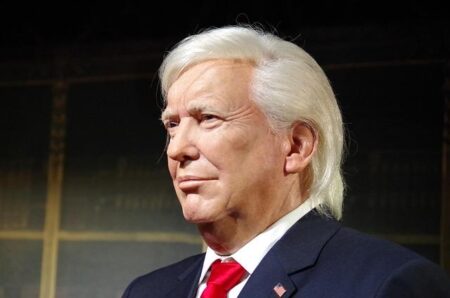

Ukraine has emphatically stated its desire for “real peace, not appeasement” in its ongoing conflict with Russia, underscoring its commitment to sovereignty and territorial integrity. As diplomatic efforts continue amid the protracted war, Ukrainian officials have rejected compromises they view as concessions, signaling a firm stance against yielding to Russian demands. This declaration comes at a critical juncture, reflecting Kyiv’s resolve to secure a lasting resolution that respects international law and national sovereignty, rather than a peace built on capitulation.
Ukraine Demands Genuine Peace Efforts Emphasizing Sovereignty and Security
Ukraine has firmly called for negotiations that prioritize genuine peace rather than superficial concessions that compromise its sovereignty. The government insists any dialogue with Russia must respect Ukraine’s territorial integrity and security needs, rejecting attempts at appeasement that fail to address the root causes of conflict. Officials emphasize the necessity of a transparent and enforceable roadmap that guarantees the withdrawal of foreign forces and the restoration of control over all Ukrainian lands.
Key elements Ukraine demands in peace discussions include:
- Full respect for internationally recognized borders
- Guarantees for civilian safety and human rights protections
- Reconstruction aid linked to conflict resolution progress
- International oversight to monitor compliance
| Priority Areas | Ukraine’s Position |
|---|---|
| Territorial Integrity | Non-negotiable |
| Security Guarantees | Mandatory for peace |
| International Mediation | Essential for trust-building |
| Economic Reconstruction | Contingent on conflict end |
Analyzing the Challenges of Negotiating with Russia Amid Ongoing Conflict
Negotiations with Russia are fraught with complex difficulties that stem from deep-seated mistrust and ongoing military operations, which cloud attempts at meaningful dialogue. Ukraine’s insistence on seeking genuine peace over superficial concessions highlights the core challenge: balancing immediate security demands with long-term diplomatic solutions. Moreover, international actors remain divided, with some advocating for rigorous sanctions while others urge restraint to avoid escalation, complicating the geopolitical landscape surrounding any negotiation effort.
- Mistrust fueled by repeated ceasefire violations
- Disparate objectives between Kyiv and Moscow
- Influence of external powers shaping negotiation dynamics
- Humanitarian concerns impacting public and political will
| Key Negotiation Challenge | Impact | Potential Solution |
|---|---|---|
| Mistrust and previous violations | Low confidence in ceasefires | Third-party monitoring |
| Diverging political goals | Prolonged stalemates | Incremental confidence-building measures |
| External influence from allies | Polarized negotiation stances | Inclusive multilateral talks |
Strategic Recommendations for International Mediators to Support Durable Resolution
International mediators engaged in the Ukraine-Russia dialogue must prioritize fostering authentic dialogue rooted in mutual respect rather than succumbing to superficial compromises that undermine long-term stability. Emphasizing transparency and inclusivity, mediators should actively involve diverse Ukrainian stakeholders, ensuring that peace efforts echo the true aspirations of those affected. Concerted efforts to counter misinformation and reinforce credible communication channels between parties will enhance trust-building, which remains a cornerstone for any sustainable agreement.
Furthermore, mediators should adopt a multi-faceted approach that integrates political, economic, and humanitarian dimensions. Support mechanisms must include:
- Robust monitoring frameworks to ensure compliance and deter violations.
- Structured timelines enabling gradual yet irreversible steps toward de-escalation.
- Inclusive platforms that grant voice to civil society and marginalized communities.
| Key Focus | Mediator Action | Expected Outcome |
|---|---|---|
| Transparency | Regular public briefings and updates | Increased public trust |
| Verification | Deploy neutral monitoring teams | Improved compliance |
| Inclusivity | Engage grassroots movements | Broad-based legitimacy |
To Wrap It Up
As the conflict between Ukraine and Russia continues to shape geopolitical dynamics, Ukraine’s insistence on achieving “real peace, not appeasement” underscores its commitment to sovereignty and security. The international community remains attentive to developments, recognizing that any lasting resolution will require durable agreements rather than temporary compromises. The coming months will be critical in determining whether diplomatic efforts can bridge the divide or if tensions will further escalate.