
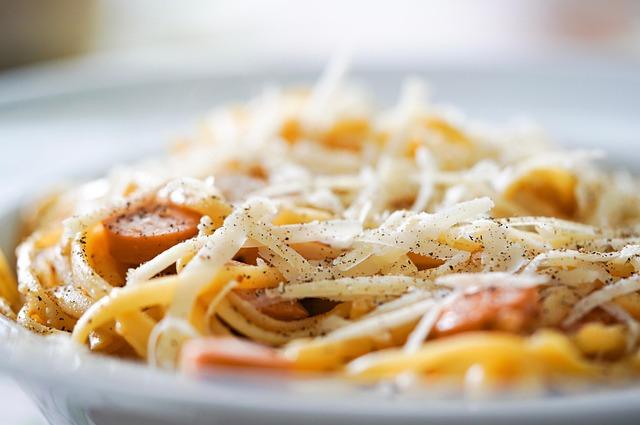
Italian pasta, a staple in American households for decades, faces an uncertain future on supermarket shelves across the United States. According to a recent report from NPR, a combination of supply chain disruptions, rising costs, and shifting agricultural challenges threatens the availability of authentic Italian pasta products nationwide. As consumers brace for potential shortages, industry experts warn that the iconic Italian staple could soon become a rare find in grocery aisles, signaling a significant impact on culinary traditions and market dynamics.
Italian Pasta Shortage Threatens American Supermarket Availability
Supply chain disruptions and agricultural challenges in Italy have sparked concerns over a potential scarcity of authentic Italian pasta in American supermarkets. The shortage stems from a combination of factors including drought conditions affecting durum wheat crops, increased global demand, and logistical hurdles in transatlantic shipping. These elements have created a bottleneck that jeopardizes the steady flow of one of Italy’s most iconic culinary exports. Retailers across the United States report dwindling inventory, prompting worries that shoppers might see fewer varieties or face higher prices in the coming months.
- Durum wheat yields down: Severe drought in Southern Italy has significantly reduced the wheat harvest, critical for producing high-quality pasta.
- Transportation delays: Port congestions and container shortages have slowed imports, causing shipment backlogs.
- Increased international demand: Rising global appetites for Italian pasta add pressure on limited supplies.
| Impact Factor | Details |
|---|---|
| Durum Wheat Production | -25% compared to last year |
| Shipment Delays | Up to 3 weeks longer than usual |
| Price Increase | Estimated 15-20% rise in retail cost |
Supply Chain Disruptions and Rising Costs Impact Italian Pasta Imports
Italian pasta imports have faced unprecedented challenges due to a combination of supply chain disruptions and escalating costs. Delays at ports, shortages of raw materials like durum wheat, and increased transportation expenses have all contributed to a significant slowdown in the availability of authentic Italian pasta products in the U.S. market. Retailers are reporting dwindling stock, with some supermarket shelves already showing noticeable gaps where Italian-made pasta once stood, raising concerns about accessibility for American consumers who value these traditional imports.
Key factors affecting the supply include:
- Shipping delays: Extended waiting times at major ports in Italy and the U.S., causing inventory bottlenecks.
- Raw material scarcity: Limited durum wheat harvests in Italy due to adverse weather patterns and rising global demand.
- Cost inflation: Increased freight charges and energy prices pushing up the final retail price of pasta products.
| Disruption Factor | Impact | Estimated Delay/Increase |
|---|---|---|
| Port Congestion | Shipment delays | Up to 4 weeks |
| Durum Wheat Shortfall | Production slowdowns | 15% decrease |
| Freight Costs | Price hikes | +30% |
Strategies for Consumers and Retailers to Navigate the Pasta Scarcity Crisis
With the looming pasta scarcity, consumers can take proactive steps to mitigate the impact on their households. One effective approach is to diversify their pantry staples by exploring alternative grains such as quinoa, barley, or couscous. These substitutes not only offer nutritional variety but also reduce reliance on traditional durum wheat-based pasta. Shoppers are also encouraged to buy in smaller quantities and prioritize quality over quantity to stretch their supplies. Local farmers’ markets and specialty stores might offer artisanal pasta varieties less affected by global supply chain disturbances, providing both freshness and a chance to support smaller producers.
Retailers, on the other hand, must adopt agile inventory management and strengthen relationships with suppliers to secure priority shipments. Allocating shelf space to alternative pasta products can help maintain customer interest and prevent stockouts. Educating consumers through in-store signage or digital campaigns about sustainable pasta usage and recipe ideas will build brand loyalty during this challenging period. Supply chain collaboration paired with transparency about shortages will be key to maintaining trust and balancing demand.
- For Consumers:
- Experiment with whole grains and legumes
- Purchase smaller quantities more frequently
- Support local pasta artisans and markets
- For Retailers:
- Enhance supply chain agility
- Provide alternative pasta options
- Run consumer education campaigns
| Strategy | Consumers | Retailers |
|---|---|---|
| Inventory Approach | Buy small, frequent batches | Optimize stock with demand forecasting |
| Product Focus | Try diverse grains & pulses | Expand shelf space for alternatives |
| Community Engagement | Shop local producers | Educate customers via campaigns |
The Conclusion
The potential disappearance of Italian pasta from American supermarket shelves highlights broader challenges within global food supply chains and international trade relations. As consumers and retailers navigate these uncertainties, the situation underscores the delicate balance between cultural culinary traditions and the economic realities affecting food availability. Stakeholders will be watching closely to see how producers, importers, and policymakers respond to this evolving issue in the months ahead.