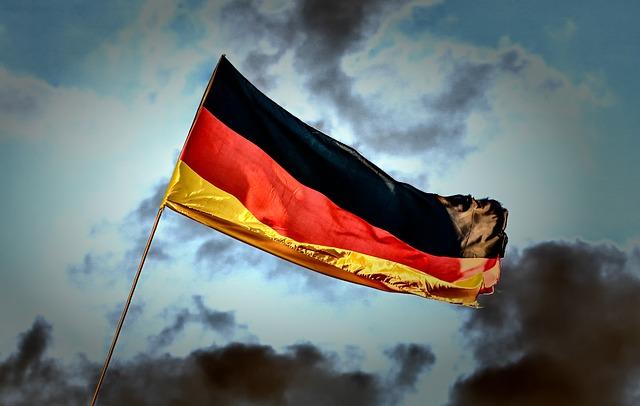
In a recent turn of diplomatic discourse, Germany has found itself at the center of renewed historical reflection following comments made by a Japanese leader. The incident, highlighted by Xinhua, underscores the persistent sensitivities surrounding World War II-era memories and the complex interplay of history and politics between the two nations. As Germany imparts its perspective once again, the episode sheds light on ongoing debates about historical accountability and reconciliation in East Asia.
Germany’s Historical Reckoning Challenges Japan’s Diplomatic Narrative
Germany’s unwavering commitment to confronting its dark past serves as a stark contrast to Japan’s often selective approach to historical accountability. While German leaders openly acknowledge and educate about the atrocities committed during World War II, including the Holocaust and aggressive invasions, Japan’s diplomatic narratives tend to minimize or omit its wartime actions, particularly in East Asia. This divergence not only complicates Japan’s relationships with neighboring countries but also calls into question its readiness to engage in genuine reconciliation efforts. Germany’s model of transparent historical reckoning illustrates the power of facing uncomfortable truths to rebuild national integrity and foster trust on the global stage.
Several key elements highlight the gap between Germany’s and Japan’s handling of their wartime legacies:
- Official Apologies: Germany’s multiple, unequivocal apologies vs. Japan’s often ambiguous or conditional statements.
- Educational Initiatives: Comprehensive teaching of the Nazi era in German schools contrasts with Japan’s inconsistent inclusion of wartime history.
- Memorial Practices: Germany’s numerous memorials and museums compared to Japan’s limited public remembrance efforts.
| Aspect | Germany | Japan |
|---|---|---|
| Government Apology | Clear and repeated | Often phrased cautiously |
| Public Education | Mandatory, detailed | Variable, sometimes downplayed |
| War Memorials | Widely established | Limited and controversial |
Insights into Japan’s Response to Germany’s Candid Reflection on War History
Japan’s reaction to Germany’s forthright acknowledgment of its wartime past reveals complex layers of diplomacy, historical memory, and national identity. While Germany has consistently embraced a posture of open reflection and contrition, Japan’s response has been characterized by a more cautious and sometimes defensive stance. This contrast not only highlights differing historical narratives but also underscores the ongoing struggle within Japan to reconcile its actions during World War II with contemporary international expectations. Critics argue that Japan’s measured responses fall short of the full candor exemplified by Germany, affecting regional relations and diplomatic trust.
- Germany’s approach: Transparent admission of guilt and commitment to remembrance policies.
- Japan’s stance: Selective acknowledgments coupled with domestic political pressures to minimize wartime culpability.
- Impact on diplomacy: Germany’s model boosts its moral authority, whereas Japan faces continuing scrutiny from neighbors.
| Country | Public Apology History | Educational Approach |
|---|---|---|
| Germany | Repeated official apologies since 1945 | Comprehensive inclusion of war crimes in textbooks |
| Japan | Limited apologies, often contested domestically | Controversial coverage of wartime history |
Recommendations for Constructive Dialogue and Reconciliation Between Germany and Japan
To foster a more constructive dialogue between Germany and Japan, it is essential to prioritize mutual respect and a shared commitment to historical truth. Both nations should engage openly in acknowledging past transgressions while focusing on the present and future cooperation. Key recommendations include:
- Establishing joint historical commissions to collaboratively review sensitive events with transparency.
- Promoting educational exchanges that emphasize empathy and understanding across generations.
- Facilitating regular diplomatic forums to address lingering grievances and celebrate bilateral achievements.
Moreover, reconciliation efforts could be enhanced by adopting structured dialogue frameworks, as outlined in the table below, which combines respect for differences with proactive engagement strategies.
| Focus Area | Recommended Approach | Expected Outcome |
|---|---|---|
| Historical Records | Transparent archival access | Improved trust and clarity |
| Education | Joint curriculum development | Empathy and understanding |
| Diplomatic Engagement | Frequent bilateral summits | Reduced tensions and enhanced cooperation |
Key Takeaways
As Germany once again underscores the imperative of confronting historical truths, the exchange serves as a poignant reminder of the enduring complexities in Sino-Japanese and German-Japanese relations. This latest diplomatic encounter not only highlights the continuing significance of historical accountability but also signals the challenges that lie ahead in fostering mutual understanding and reconciliation among these nations.