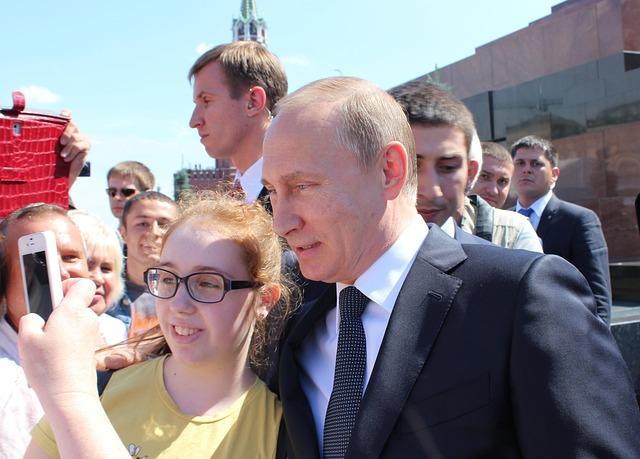
Russian President Vladimir Putin’s recent visit to India marked a significant moment in the evolving partnership between Moscow and New Delhi. As the two leaders met in the heart of Delhi, their discussions spanned a spectrum of strategic, economic, and geopolitical issues. This article examines the key outcomes of the Putin-Modi summit, exploring what both leaders sought to gain amid shifting global alliances and how their collaboration could shape the future trajectory of Russia-India relations.
Putin Modi Delhi Summit Key Outcomes and Strategic Implications
The latest summit between the Russian and Indian leaders underlined a mutual interest in deepening strategic cooperation amid a complex global landscape. Key achievements included agreements on expanding defense collaboration, particularly in the areas of joint military technology development and enhanced cyber security measures. Both sides also committed to bolstering energy ties, with Russia promising increased supplies of natural gas and nuclear fuel to India, underscoring the importance of energy security for the subcontinent’s rapid economic growth.
- Highlights:
- Agreement to boost bilateral trade beyond $30 billion within two years
- Joint commitment to counter-terrorism efforts and regional stability
- Discussions on emerging technologies, including AI and space exploration
- Emphasis on maintaining multipolar global order
| Area of Cooperation | Expected Outcome |
|---|---|
| Defense Technology | Advanced missile systems and joint exercises |
| Energy Supplies | Stable and increased fuel imports for India |
| Trade Expansion | New trade corridors and reduced tariffs |
| Geopolitical Strategy | Strengthened alliance in multipolar diplomacy |
Strategically, the summit signals a reaffirmation of Russia-India ties as a counterbalance to shifting global power dynamics. Both nations showcased a willingness to challenge Western dominance by enhancing partnerships that emphasize sovereignty and strategic autonomy. This diplomatic choreography not only fortifies their individual national interests but also sends a clear message to the international community about emerging alliances that are shaping 21st-century geopolitics.
Economic and Defense Cooperation Agreements Strengthening Bilateral Ties
The recent summit between Vladimir Putin and Narendra Modi heralded a new chapter in India-Russia relations, marked by significant economic and defense advancements. Both leaders clinched pivotal agreements aimed at boosting trade and joint ventures in energy, technology, and infrastructure sectors. A major highlight was the signing of deals to increase bilateral investments, with a focus on sustainable energy projects and critical supply chains, reinforcing resilience amid global uncertainties.
On the defense front, the two nations recommitted to a strategic partnership encompassing:
- Co-development of next-generation military equipment
- Expanded joint military exercises to enhance interoperability
- Streamlined defense procurement processes to expedite technology transfers
| Sector | Key Agreement | Impact | ||||||||||||||||||||||||
|---|---|---|---|---|---|---|---|---|---|---|---|---|---|---|---|---|---|---|---|---|---|---|---|---|---|---|
| Energy | Joint renewable energy projects | Diversification of energy sources | ||||||||||||||||||||||||
| Defense | Co-development of military drones | Enhanced tactical capabilities | ||||||||||||||||||||||||
| Infrastructure | Modernization of transport corridors | Improved connectivity and trade flow |
| Sector | Key Agreement | Impact |
|---|---|---|
| Energy | Joint renewable energy projects | Diversification of energy sources |
| Defense | Co-development of military drones | Enhanced tactical capabilities |
| Infrastructure | Modernization of transport corridors | Improved connectivity and trade flow |
These initiatives collectively aim to deepen strategic ties and foster sustainable growth between the two nations.
Analyzing Challenges and Opportunities for Future Russia India Partnership
As the global landscape shifts, the Russia-India partnership stands at a critical juncture, facing intricate challenges but also significant opportunities. On the challenges front, economic sanctions on Russia pose a serious impediment to deeper trade ties, especially in energy and technology sectors. Additionally, divergent geopolitical interests-particularly India’s evolving relationships with the West and Russia’s ties with China-demand a nuanced balancing act from both leaders. Amid these complexities, there is a pressing need to modernize cooperation frameworks to realign with contemporary strategic and economic realities.
However, the potential for collaboration remains robust, anchored in longstanding diplomatic trust and shared interests in defense, energy security, and technology transfer. Key avenues for growth include:
- Expansion of defense technology programs and joint development initiatives.
- Enhancement of energy cooperation, focused on LNG exports and nuclear fuel supplies.
- Collaboration in space exploration and digital infrastructure development.
| Area | Current Status | Future Potential |
|---|---|---|
| Defense | Major arms supplier to India | Joint R&D and advanced systems export |
| Energy | Steady oil and gas trade | Increased LNG and nuclear collaboration |
| Technology | Limited cooperation | Partnerships in AI and cybersecurity |
The Way Forward
As Vladimir Putin concluded his visit to Delhi, the outcomes of his meeting with Prime Minister Narendra Modi reflect a strategic recalibration amid complex global dynamics. Both leaders sought to advance their national interests-reinforcing energy ties, expanding defense cooperation, and navigating geopolitical challenges-to bolster their countries’ positions on the world stage. While concrete agreements signal a continuation of long-standing partnerships, the broader implications of this summit will unfold as India and Russia respond to evolving international pressures in the months ahead.

A journalism icon known for his courage and integrity.
Related Posts