
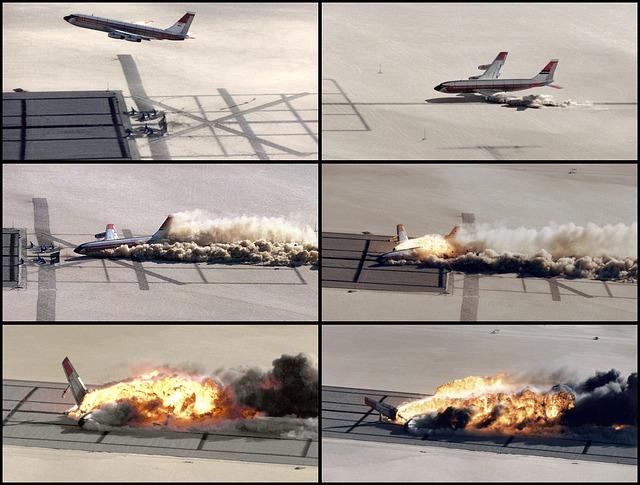
Investigators are set to convene in the United States next week to examine the recent Air India crash, with representatives from Boeing and various international agencies expected to participate. The meeting aims to advance the probe into the incident, which has drawn significant global attention. Authorities hope the collaborative effort will help determine the cause of the crash and prevent future tragedies.
Investigators to Convene in United States for Crucial Air India Crash Discussions
Authorities from multiple countries are gearing up for a high-profile meeting in the United States to delve into the complexities of the recent Air India crash. The gathering will bring together key stakeholders, including representatives from Boeing, the aircraft manufacturer, alongside aviation safety experts and investigators from various international agencies. This collaboration aims to fast-track the analysis process, ensuring all technical, mechanical, and operational angles are thoroughly examined. Discussions will focus on uncovering the root causes, assessing safety protocols, and reinforcing measures to prevent similar catastrophes in future.
The conference will prioritize transparent information exchange and cooperative strategies across agencies. Attendees are expected to cover the following critical areas:
- Aircraft maintenance records and recent inspections
- Analysis of Flight Data Recorder (FDR) and Cockpit Voice Recorder (CVR)
- Evaluation of pilot training and response protocols
- Communication patterns between Air Traffic Control and the crew
- Regulatory compliance and enforcement of aviation safety standards
| Agency | Role | Key Focus |
|---|---|---|
| Boeing | Manufacturer | Technical system integrity & design review |
| NTSB (US) | Lead Investigator | Crash investigation coordination |
| DGCA (India) | Regulatory Authority | Air safety regulations enforcement |
| FAA (US) | Safety Oversight | Certification & compliance checks |
Boeing and International Agencies to Collaborate on Safety and Technical Assessments
In a significant move towards ensuring a comprehensive inquiry, Boeing is slated to work closely with key international aviation safety agencies in the upcoming technical review sessions. These collaborative efforts are designed to share critical data, analyze aircraft systems, and evaluate maintenance protocols associated with the Air India crash. Experts from the Federal Aviation Administration (FAA), European Union Aviation Safety Agency (EASA), and other regulatory bodies will join Boeing engineers to scrutinize the findings, aiming to identify any factors that might have contributed to the tragic incident.
The meeting will feature detailed discussions focusing on:
- Flight data recorder analyses to reconstruct the event timeline
- Systems performance reviews under various operational conditions
- Review of the aircraft’s safety protocols and their implementation
- Recommendations for future procedural improvements
A preliminary matrix outlining the roles and responsibilities of the participating agencies underscores the commitment to transparency and accuracy throughout the investigation process.
| Agency | Role | Focus Area |
|---|---|---|
| Boeing | Technical Expertise | Aircraft Systems Review |
| FAA | Regulatory Oversight | Safety Compliance & Standards |
| EASA | Investigation Support | Operational Procedures |
| National Transportation Safety Board (NTSB) | Accident Analysis | Flight Data Evaluation |
Experts Urge Enhanced Regulatory Oversight and Industry-Wide Safety Protocols
In the wake of the tragic Air India crash, aviation experts are emphasizing the urgent need for more stringent regulatory oversight to prevent future disasters. Industry leaders and safety analysts advocate for a comprehensive review of current protocols, urging authorities to implement uniform standards across all carriers and manufacturers. Enhanced transparency and proactive risk assessments are seen as pivotal measures to restore public confidence in air travel.
Key recommendations proposed during recent consultations include:
- Mandatory third-party audits combined with real-time safety data monitoring
- Strict adherence to international maintenance schedules and pilot training programs
- Establishment of a centralized incident reporting system accessible to global regulators
| Safety Aspect | Current Status | Recommended Action |
|---|---|---|
| Regulatory Audits | Periodic | Quarterly with external oversight |
| Pilot Training | Variable Standards | Standardized international certification |
| Incident Reporting | Fragmented | Centralized global database |
To Wrap It Up
As the investigation into the Air India crash progresses, next week’s meeting in the United States marks a critical step toward uncovering the factors behind the tragedy. With representatives from Boeing and various international aviation agencies expected to participate, experts will collaborate to analyze evidence and enhance safety protocols. Authorities remain committed to a transparent inquiry, aiming to provide answers and prevent future incidents in the global aviation sector. Further updates will follow as developments arise.