
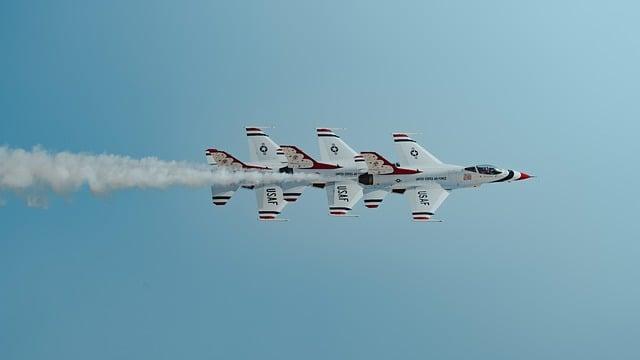
In a recent escalation of regional tensions, Chinese military aircraft reportedly locked their radar systems onto Japanese fighter jets during routine patrols near disputed airspace. According to a report by Japan Wire via KYODO NEWS, the incident marks a significant development in the increasingly fraught security environment between the two neighboring powers. The Japanese Self-Defense Forces have expressed concern over what they characterize as provocative actions by Beijing, underscoring the fragile state of territorial and aerial sovereignty claims in East Asia.
Chinese Military Aircraft Lock Radar on Japanese Fighter Jets Raising Regional Tensions
Tensions in East Asia have escalated after reports emerged that Chinese military aircraft have locked their radar systems onto Japanese fighter jets during recent airspace encounters. Such actions mark a sharp increase in military assertiveness over the contested zones around the Senkaku Islands, known as the Diaoyu Islands in China. Japanese defense sources claim that the radar lock-on by Chinese jets is not only a provocative act but also a direct threat to the safety of their pilots, heightening fears of potential miscalculations leading to conflict.
The regional response has been swift, with Tokyo calling for enhanced diplomatic dialogue while simultaneously reinforcing its air defense capabilities. Key points surrounding this development include:
- Increased frequency of Chinese fighter sorties near disputed airspace
- Deployment of Japan’s newest F-35 stealth fighters for reconnaissance missions
- Calls from international observers for restraint and calm from all involved parties
The situation remains fluid, with defense analysts warning that such aggressive aerial maneuvers complicate an already fragile geopolitical landscape in the region.
| Event | Date | Outcome |
|---|---|---|
| Radar Lock-on Incident | April 20, 2024 | Japanese jets reportedly targeted |
| Japan’s Diplomatic Response | April 22, 2024 | Calls for calm and restraint |
| Increased Patrols | Ongoing | F-35 deployments heightened |
Implications for Japan’s Defense Strategy and Airspace Security
The recent escalation signifies a pressing need for Japan to reassess and bolster its defense mechanisms amid increasingly assertive Chinese military maneuvers. Enhanced radar lock-ons by Chinese aircraft underscore vulnerabilities in Japan’s current airspace monitoring systems, demanding technological upgrades and streamlined response protocols. Japan’s Self-Defense Forces may prioritize investments in next-generation aerospace capabilities, including advanced early-warning radar networks and stealth interception technology, to maintain a credible deterrence posture in the contested East China Sea region.
Strategically, this development compels Tokyo to strengthen bilateral and multilateral cooperation frameworks, particularly with the United States and regional allies, to ensure robust intelligence sharing and coordinated air defense drills. Key focus areas include:
- Improved joint air surveillance operations to detect and deter hostile incursions timely
- Expansion of the Aegis Ashore missile defense system to enhance layered defense capabilities
- Increased funding towards cyber defense to protect critical command and control systems
| Capability | Current Status | Upgrade Priority |
|---|---|---|
| Early-Warning Radar | Limited coverage over remote zones | High |
| Interceptor Jets | Baseline fleet modernization underway | Medium |
| Cybersecurity | Reactive defense posture | High |
Recommendations for Enhanced Surveillance and Diplomatic Engagement
To bolster regional security and prevent further escalations, enhanced surveillance measures must be prioritized. Japan’s Self-Defense Forces should invest in advanced radar technology and increase aerial reconnaissance patrols along the contentious airspace. Real-time data sharing with allied nations can improve situational awareness and facilitate quicker responses to provocative maneuvers. Additionally, expanding joint exercises with regional partners will reinforce operational readiness and demonstrate a unified front against airspace violations.
Simultaneously, diplomatic channels need urgent attention to de-escalate rising tensions. Establishing a direct military communication hotline between Japan and China could prevent misunderstandings from spiraling into conflict. Scheduled high-level talks focusing on setting clear rules of engagement in contested skies are essential. Below is a proposed framework for diplomatic engagement:
| Diplomatic Action | Objective | Timeline |
|---|---|---|
| Military Hotline Setup | Immediate communication during air incidents | Within 3 months |
| Biannual Security Talks | Review airspace boundaries and conduct protocols | Every 6 months |
| Joint Surveillance Agreements | Shared data to promote transparency | Within 1 year |
- Encourage multilateral diplomatic engagement involving ASEAN and Quad partners to broaden support for peaceful resolution.
- Promote adherence to international aviation and maritime laws to establish predictable conduct in contested regions.
- Facilitate confidence-building measures such as joint search and rescue operations.
Concluding Remarks
The recent incident of Chinese military aircraft locking radar onto Japanese fighter jets underscores the escalating tensions in the East China Sea region. As both nations continue to enhance their military presence and surveillance capabilities, such encounters risk further destabilizing an already fragile security environment. Observers worldwide will be closely monitoring how Tokyo and Beijing navigate this latest episode amid broader geopolitical challenges in the Asia-Pacific.