
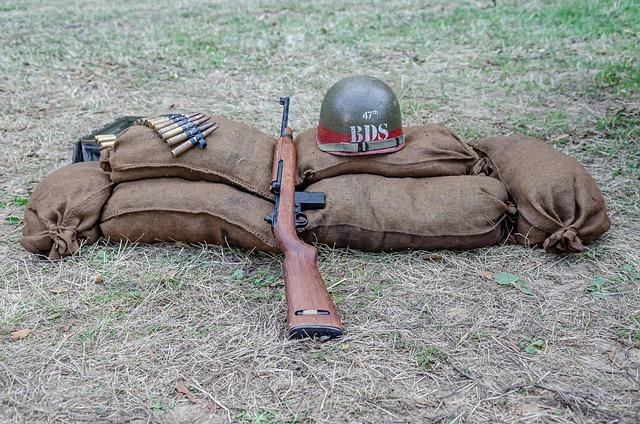
Germany has taken a decisive step toward reshaping its military landscape as the government votes to introduce a voluntary military service program for 18-year-olds. The new initiative marks a significant policy shift aimed at bolstering national defense amid growing security concerns in Europe. Under the plan, young adults will have the opportunity to enlist voluntarily, receiving military training and contributing to Germany’s armed forces without mandatory conscription. This move reflects the country’s evolving approach to military readiness and youth engagement in defense matters, signaling a renewed emphasis on strengthening its military capabilities in an increasingly complex geopolitical environment.
Germany Approves Voluntary Military Service for 18-Year-Olds Amid Security Concerns
The German parliament has passed legislation to introduce a voluntary military service program for 18-year-olds, aiming to address growing security challenges in Europe. The decision comes amid heightened geopolitical tensions and increased debate over national defence capabilities. Participants in the program will have the opportunity to serve in various branches of the Bundeswehr, gaining professional training while contributing to the country’s defence readiness.
Key features of the new program include:
- Duration: 6 to 12 months of voluntary service
- Eligibility: German citizens aged 18
- Training: Basic military and civil service options available
- Incentives: Educational benefits and career support post-service
| Aspect | Details |
|---|---|
| Program Start | Early 2025 |
| Target Intake | Up to 10,000 annually |
| Service Branches | Army, Navy, Air Force, Support Units |
| Post-Service Benefits | Employment aid, educational grants |
Implications for National Defense and Youth Engagement Explored
Germany’s decision to introduce a voluntary military service programme for 18-year-olds marks a significant shift in national defense strategy, aiming to bolster the armed forces amid growing geopolitical challenges. This initiative is expected to enhance readiness by creating a pipeline of well-trained, motivated young individuals capable of supporting both military and civil operations. By empowering youth with basic military skills and discipline, the programme could also reinforce social cohesion and foster a stronger sense of civic responsibility in a generation coming of age amid increasing global uncertainties.
Beyond national security, this programme presents an opportunity to engage the youth demographic more actively in societal roles, offering benefits such as:
- Skill Development: Training in leadership, teamwork, and technical competencies.
- Career Pathways: Early exposure to military and defense-related careers.
- Community Service: Involvement in disaster relief and support operations.
- Increased Awareness: Deeper understanding of Germany’s defense policies and international responsibilities.
| Age Group | Programme Duration | Primary Focus |
|---|---|---|
| 18-19 years | 6-12 months | Basic Military Training |
| 20-22 years | Optional Advanced Modules | Specialized Skills & Leadership |
| 23+ years | Reserve and Civil Support Roles | Community and Crisis Response |
Experts Recommend Structured Training and Support to Maximize Programme Success
Stakeholders emphasize that the success of Germany’s new voluntary military service programme hinges on well-designed training structures combined with ongoing support systems. Experts argue that beyond initial recruitment, comprehensive preparation is vital to equip 18-year-olds with the necessary skills, mindset, and resilience required for both military and civilian applications. Structured training modules will focus not only on physical conditioning but also on leadership development, technical expertise, and ethical awareness.
To foster sustained engagement and positive outcomes, support mechanisms such as mentorship, psychological counseling, and career guidance are recommended. These services aim to ensure participants are motivated, well-supported, and able to transition smoothly either into long-term military roles or civilian life afterwards. Comparative data from similar programmes abroad indicate that integrating these elements can significantly enhance retention rates and programme reputation.
| Programme Element | Key Benefit | Expert Recommendation |
|---|---|---|
| Structured Physical Training | Improves fitness & discipline | Mandatory daily sessions |
| Leadership Workshops | Builds confidence & teamwork | Regular group activities |
| Mentorship Programmes | Provides guidance & support | Pair trainees with veterans |
| Counseling Services | Enhances mental well-being | Ongoing access to professionals |
- Clear milestones to track individual progress
- Flexible training schedules to accommodate diverse backgrounds
- Integration with civilian skills for post-service career options
Final Thoughts
As Germany moves forward with the introduction of a voluntary military service programme for 18-year-olds, the decision marks a significant shift in the country’s approach to national defense and youth engagement. With the new scheme set to provide young Germans with opportunities for military training and personal development, authorities emphasize its voluntary nature and potential benefits amid evolving security challenges. Observers will be watching closely as the programme takes shape and its impact on both the armed forces and society becomes clearer in the coming years.