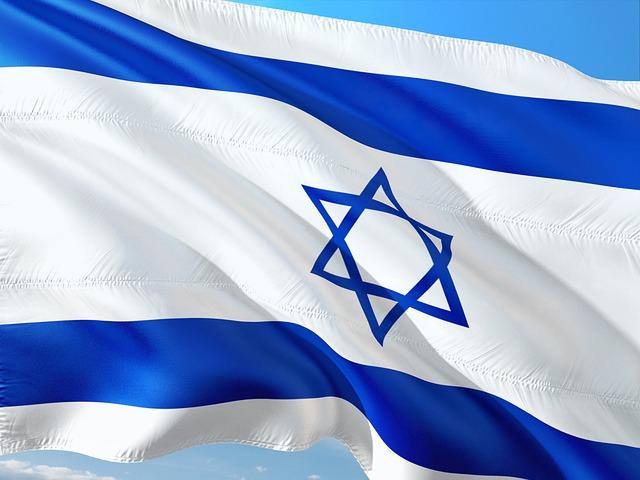
In a recent diplomatic development, Israel has called on India to officially designate Hamas as a terrorist organization, drawing attention to the group’s alleged connections with the Pakistan-based militant outfit Lashkar-e-Taiba (LeT). The appeal comes amid growing concerns over regional security and counterterrorism efforts, highlighting the complexities of India’s geopolitical relationships. This move underscores Israel’s strategic push to bolster global support against groups it classifies as terrorist entities, while also emphasizing the intertwined nature of militant networks across South Asia and the Middle East.
Israel Appeals to India for Formal Designation of Hamas as Terror Organization
Israel has formally requested India to designate Hamas as a terrorist organization, emphasizing the pressing need for unified global action against groups that threaten regional and international security. The Israeli government highlighted Hamas’ operational links with Lashkar-e-Taiba (LeT), a Pakistan-based terror group responsible for attacks on Indian soil. By pushing for this designation, Israel aims to bolster counterterrorism cooperation between the two nations while underscoring the shared stakes both countries have in dismantling extremist networks.
Diplomats from Israel pointed to several key factors supporting their appeal:
- Historical ties: Evidence of collaboration and logistical support between Hamas and LeT operatives.
- Shared threat perception: Both countries face persistent risks from cross-border terrorism linked to these groups.
- Global security implications: Recognition by India would add momentum to international efforts countering terror network financing and arms trafficking.
| Group | Primary Region | Notable Attacks |
|---|---|---|
| Hamas | Gaza Strip | Rocket attacks on Israel, border incursions |
| Lashkar-e-Taiba (LeT) | South Asia | 2008 Mumbai attacks, Kashmir-related violence |
Detailed Examination of Hamas Links with LeT Strengthens Call for Unified Terror List
The recent disclosures highlighting operational connections between Hamas and Lashkar-e-Taiba (LeT) have intensified demands for India to integrate both entities under a consolidated terror designation. Israeli intelligence sources reveal shared logistics, crossover in recruitment channels, and coordinated financial networks that blur lines between the two groups’ activities. This evolving nexus underscores the strategic necessity of adopting a unified approach that can streamline counterterrorism efforts and close gaps exploited by transnational terror outfits.
Key points shaping the call for a unified terror list:
- Evidence of joint training camps and tactical exchanges in border regions.
- Common fundraising mechanisms funneling resources through similar offshore accounts.
- Interlinked propaganda machinery amplifying extremist narratives across South Asia and the Middle East.
| Aspect | Hamas | Lashkar-e-Taiba (LeT) | |||||||||||||
|---|---|---|---|---|---|---|---|---|---|---|---|---|---|---|---|
| Primary Regions | Gaza Strip, Palestinian territories | India, Pakistan border areas | |||||||||||||
| Terror Tactics | Guerrilla warfare, rocket attacks | Cross-border terrorism, bombings | |||||||||||||
| Known Affiliations It looks like your table is incomplete. The last row you started is ` | |||||||||||||||
| Known Affiliations |
| Area | India | Israel |
|---|---|---|
| Priority Threats | LeT, Jaish-e-Mohammed | Hamas, Hezbollah |
| Intelligence Sharing | Emerging | Established |
| Legal Framework | Needs Update | Comprehensive |
| Training Exercises | Annual | Frequent |
Future Outlook
As tensions continue to shape regional security dynamics, Israel’s appeal to India to designate Hamas as a terrorist organization underscores the deepening concerns over militant collaborations that transcend borders. With both nations grappling with threats from groups like Hamas and LeT, the call for a unified stance highlights the complex interplay of counterterrorism efforts in South Asia and the Middle East. How India responds to Israel’s request may influence diplomatic ties and security cooperation in the months ahead.

A science journalist who makes complex topics accessible.
Related Posts