
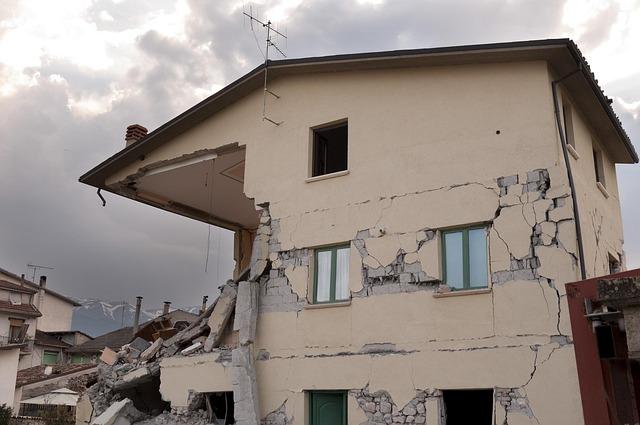
A powerful 7.6-magnitude earthquake struck near the coast of Japan early Wednesday, prompting authorities to issue a tsunami alert for several coastal areas. The seismic event, centered off the northeastern shore, has raised concerns about potential damage and aftershocks, as emergency services mobilize to assess the impact and coordinate response efforts. This latest quake underscores Japan’s vulnerability to seismic activity along the Pacific “Ring of Fire.”
Earthquake Strikes Off Japan’s Coast Triggering Tsunami Warning
A powerful 7.6-magnitude earthquake struck off the eastern coast of Japan late Monday, triggering an immediate tsunami warning for the coastal regions. Authorities urged residents in low-lying areas to evacuate swiftly as precautionary measures were put into effect. Early models predict waves could reach heights of up to 1 meter in some sectors, while emergency crews mobilize to assess potential damage and coordinate response efforts across affected prefectures.
Key facts surrounding the event include:
- Epicenter Depth: Approximately 60 km below sea level
- Alert Status: Tsunami warning active for eastern coastal towns
- Impact Zones: Iwate, Miyagi, and Fukushima prefectures under highest alert
- Government Response: National Disaster Management Council on high alert
| Region | Estimated Wave Height | Evacuation Status |
|---|---|---|
| Iwate | Up to 0.8 m | Mandatory evacuation |
| Miyagi | Up to 1.0 m | Evacuation advisory |
| Fukushima | Up to 0.7 m | Preparedness alert |
Emergency Response Efforts Underway as Authorities Monitor Coastal Areas
Local and national agencies have mobilized rapidly following the 7.6-magnitude earthquake that struck near the Japanese coast, triggering immediate tsunami warnings across the region. Emergency response teams are coordinating evacuation efforts, particularly in vulnerable low-lying areas, while monitoring agencies continue to analyze seismic activity to determine the potential scale of aftershocks. Residents in coastal communities have been urged to follow official instructions and move to higher ground without delay.
Key actions currently being taken include:
- Activation of early warning sirens and public alert systems
- Deployment of rescue and medical teams to high-risk zones
- Continuous surveillance through ocean buoys and seismic monitoring stations
- Coordination with local governments to set up emergency shelters
| Response Units | Current Status | Coverage Area |
|---|---|---|
| Disaster Relief Teams | Deployed | Coastal Prefectures |
| Medical Units | On Standby | Evacuation Centers |
| Monitoring Stations | Operational | Seismic and Oceanic Zones |
Safety Measures and Evacuation Tips for Residents in Affected Regions
Residents are urged to act swiftly following the recent seismic event. Immediate evacuation to higher ground is critical to avoid the impending tsunami threat. Authorities recommend moving at least 100 meters above sea level or 3 kilometers inland where possible. Avoid coastal areas, riverbanks, and low-lying zones until official all-clear notifications are announced.
- Heed tsunami sirens and emergency broadcasts without delay.
- Take only essential items: identification, water, and emergency supplies.
- Do not return to the shore until emergency officials confirm safety.
For ease of preparation and evacuation, the following table outlines key safety protocols and their purposes:
| Safety Protocol | Purpose |
|---|---|
| Follow official evacuation routes | Ensures safe and orderly movement away from risk zones |
| Stay informed via trusted local news | Provides real-time updates on hazards and safety instructions |
| Keep emergency supplies ready | Supports basic survival needs during displacement |
Key Takeaways
As emergency responders continue to assess the situation, authorities remain on high alert for potential aftershocks and tsunami developments. Residents in affected coastal areas are urged to adhere to official warnings and evacuation orders to ensure their safety. The evolving situation will be closely monitored, with updates provided as more information becomes available.