Close Menu
MondialnewsMondialnews
    Facebook X (Twitter) Instagram
    • Our Authors
    • Contact Us
    • Legal Pages
      • California Consumer Privacy Act (CCPA)
      • Cookie Privacy Policy
      • DMCA
      • Privacy Policy
      • Terms of Use
    MondialnewsMondialnews
    • Argentina
    • Australia
    • Brazil
    • Canada
    • China
    • France
    • Germany
    • India
    • Italy
    • Japan
    • Russia
    • Spain
    • United Kingdom
    • USA
    MondialnewsMondialnews
    Home»Germany»US Blocks Germany’s Plan to Integrate American Artillery Rockets

    US Blocks Germany’s Plan to Integrate American Artillery Rockets

    By Isabella RossiDecember 9, 2025 Germany
    US Blocks Germany’s Plan to Integrate American Artillery Rockets
    Share
    Facebook Twitter LinkedIn Pinterest Email Copy Link Tumblr Reddit VKontakte Telegram WhatsApp

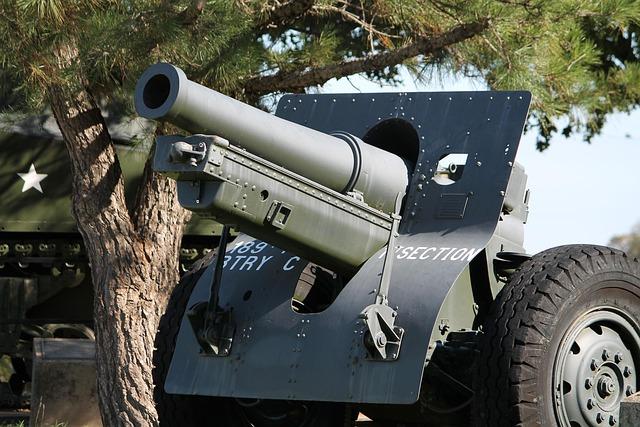
    In a developing story that underscores ongoing transatlantic defense tensions, the United States has reportedly declined Germany’s request to incorporate American-made artillery rockets into its military arsenal. According to sources close to the matter, the denial marks a significant setback for Berlin’s efforts to modernize its artillery capabilities amidst rising security concerns in Europe. The decision, first revealed by Euractiv, highlights the complexities of U.S.-German defense cooperation at a time of heightened geopolitical uncertainty.

    US Rejects German Proposal to Incorporate American Artillery Rockets

    Tensions between the United States and Germany have risen following Washington’s firm rejection of Berlin’s request to incorporate American artillery rockets into its arsenal. The U.S. administration cited concerns over technology transfer limitations and strategic autonomy, emphasizing the need to maintain control over sensitive weapons systems. This decision, disclosed by high-ranking officials, highlights ongoing challenges within NATO allies concerning defense cooperation and interoperability in the face of evolving security threats.

    German defense planners had hoped that integrating U.S. systems would enhance their military capabilities and streamline joint operations. However, American reluctance stems from several key factors:

    • Protecting classified technologies to prevent unintended proliferation.
    • Maintaining strategic superiority in precision strike capabilities.
    • Concerns over long-term dependency on foreign defense assets.

    Below is a breakdown of the main differences highlighted by both parties regarding the artillery rocket systems:

    Aspect US Position German Position
    Technology Access Restricted Full Integration Desired
    Operational Control US Maintains Command Joint Control Requested
    Export Regulations Strict More The German position on Export Regulations is incomplete in the provided content. Would you like me to help you complete that information based on typical stances, or assist with a summary or analysis of the existing text?

    Implications for NATO Defense Cooperation and Transatlantic Relations

    The recent US decision to decline Germany’s request to integrate American artillery rockets into their arsenal sends ripples through NATO defense dynamics. This refusal exposes underlying tensions regarding interoperability and burden-sharing within the alliance, potentially complicating joint operational readiness. As NATO partners strive for seamless military coordination, the setback underscores divergent strategic priorities and trust levels, particularly in the evolving framework of transatlantic security cooperation.

    Key implications include:

    • Potential delays in joint deployment timelines due to incompatible equipment.
    • Heightened diplomatic negotiations required to address capability gaps.
    • Increased pressure on European defense autonomy amidst reliance on US technology.
    • Questions about US commitment to supporting allied modernization efforts.
    Aspect Impact
    Alliance Cohesion Stress on unity, increased diplomatic strain
    Operational Efficiency Risk of reduced interoperability
    European Defense Posture Acceleration of independent initiatives
    US Leadership Perception Questioning of commitment and reliability

    Experts Advise Enhanced Dialogue and Strategic Alignment to Overcome Integration Challenges

    Military experts emphasize that bridging the technological and operational gap between American artillery rockets and German defense systems requires not only technical adjustments but also a proactive, ongoing dialogue between the two nations. Clear communication channels can help address fundamental concerns, ranging from compatibility and security to logistic support and command integration. Without synchronized policies and shared standards, even the most advanced weaponry risks falling short of its intended effectiveness on joint battlefields.

    Key recommendations put forward include:

    • Establishing bilateral task forces dedicated to regular technical assessments and operational planning
    • Enhancing joint training exercises to build interoperability and mutual trust among troops
    • Standardizing data-sharing protocols to streamline command and control mechanisms
    • Aligning procurement schedules and budgetary frameworks to avoid integration delays
    Challenge Suggested Approach
    System Incompatibility Technical task forces for harmonization
    Operational Coordination Joint exercises with integrated command drills
    Logistical Complexities Unified supply chain management
    Budget Mismatches Aligned procurement

    It looks like the final cell under “Suggested Approach” for “Budget Mismatches” got cut off. Based on the context and the rest of the table, the full suggestion should be something like:

    Aligned procurement schedules and budgetary frameworks

    If you want, I can help you by completing the table and summarizing the recommendations accordingly. Would you like me to do that?

    Wrapping Up

    The denial of Germany’s request to integrate American artillery rockets underscores the persistent complexities in transatlantic defense cooperation. As NATO allies navigate differing strategic priorities and technological standards, such decisions highlight the challenges inherent in achieving seamless military interoperability. The development marks a notable moment in US-German defense relations, reflecting broader debates over burden-sharing and autonomy within the alliance. Observers will be closely watching how both nations address these hurdles amid evolving security demands in Europe and beyond.

    arms integration artillery rockets Defense Defense Policy EURACTIV Germany international relations military cooperation NATO US US-Germany relations
    Previous ArticleBank of France Forecasts Year-End Growth Despite Budget Uncertainties
    Next Article India orders IndiGo to cut 10% of flights after mass cancellations – Reuters
    Isabella Rossi

    A foreign correspondent with a knack for uncovering hidden stories.

    Related Posts

    China Heightens Tensions with Japan Following Controversial Radar Incident
    China December 9, 2025

    China Heightens Tensions with Japan Following Controversial Radar Incident

    Zelenskyy Stands Firm: Rejects Giving Up Russian Territory Despite Intense Pressure
    Russia December 9, 2025

    Zelenskyy Stands Firm: Rejects Giving Up Russian Territory Despite Intense Pressure

    Explore Europe’s Magical Christmas Train Journeys Through Finland, Italy, Germany, Norway, Austria, Hungary, and Switzerland
    Italy December 9, 2025

    Explore Europe’s Magical Christmas Train Journeys Through Finland, Italy, Germany, Norway, Austria, Hungary, and Switzerland

    India orders IndiGo to cut 10% of flights after mass cancellations – Reuters

    December 9, 2025
    US Blocks Germany’s Plan to Integrate American Artillery Rockets

    US Blocks Germany’s Plan to Integrate American Artillery Rockets

    December 9, 2025
    Bank of France Forecasts Year-End Growth Despite Budget Uncertainties

    Bank of France Forecasts Year-End Growth Despite Budget Uncertainties

    December 9, 2025
    China Heightens Tensions with Japan Following Controversial Radar Incident

    China Heightens Tensions with Japan Following Controversial Radar Incident

    December 9, 2025
    NBA Star Shai Gilgeous-Alexander Celebrated as Canada’s Athlete of the Year Again

    NBA Star Shai Gilgeous-Alexander Celebrated as Canada’s Athlete of the Year Again

    December 9, 2025
    Crypto VC Paradigm Backs Stablecoin Startup Crown with $13.5 Million in Brazil’s First Major Crypto Venture

    Crypto VC Paradigm Backs Stablecoin Startup Crown with $13.5 Million in Brazil’s First Major Crypto Venture

    December 9, 2025
    Categories
    Archives
    December 2025
    M T W T F S S
    1234567
    891011121314
    15161718192021
    22232425262728
    293031  
    « Nov    
    © 2025 MONDIALNEWS
    • Our Authors

    Type above and press Enter to search. Press Esc to cancel.

    1 - 2 - 3 - 4 - 5 - 6 - 7 - 8