
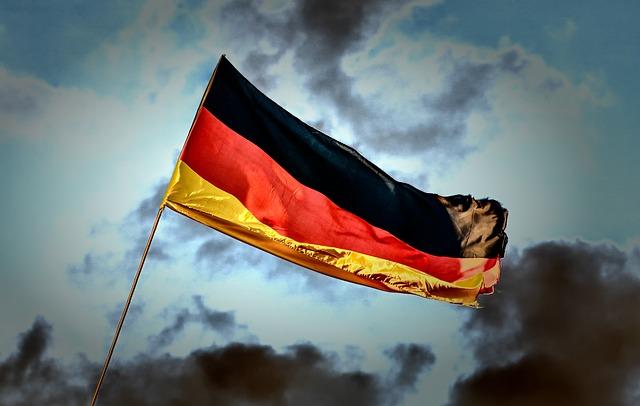
Germany faces a pivotal moment in reassessing its foreign policy outlook, as calls intensify for a more pragmatic and “sober” evaluation of national interests. In an evolving global landscape marked by geopolitical tensions and economic uncertainties, experts and policymakers alike urge Berlin to adopt a realistic approach that prioritizes strategic priorities over ideological commitments. This emerging perspective, highlighted by a recent analysis from Deutsche Welle (DW), underscores the need for Germany to navigate complex international challenges with measured prudence to safeguard its long-term security and prosperity.
Germany urged to prioritize pragmatic evaluation of national interests amid global challenges
As global geopolitical tensions continue to evolve rapidly, Germany faces mounting pressure to adopt a more pragmatic stance when defining its national interests. Diplomats and policy experts alike emphasize the necessity for Berlin to balance its traditional commitments with the harsh realities of international power shifts. Such an approach would involve critically assessing economic ties, security obligations, and energy dependencies without ideological bias, ensuring decisions are rooted in concrete benefits rather than abstract ideals.
Key areas demanding sober evaluation include:
- Energy security amid a volatile global market
- The recalibration of defense partnerships within NATO and the EU
- Trade relationships with emerging powers and established allies
- Technological sovereignty in a rapidly digitalizing world
| Sector | Current Focus | Recommended Shift |
|---|---|---|
| Energy | Dependency on imports | Diversification & renewables |
| Defense | Conventional alliances | Flexible regional cooperation |
| Trade | EU-centric approach | Global multi-vector strategy |
| Technology | Outsourced production | Investment in innovation |
Balancing economic stability and security concerns in Germany’s shifting foreign policy
As Germany recalibrates its foreign policy amid global tensions, the challenge lies in striking a careful balance between sustaining economic growth and addressing mounting security concerns. The nation’s extensive trade networks and industrial base have long thrived on open international relations, particularly with Russia and China. However, recent geopolitical shifts have exposed vulnerabilities, compelling German policymakers to prioritize a sober reassessment of where economic interests end and security imperatives begin. This pragmatic approach acknowledges that preserving economic stability cannot come at the expense of national and European security frameworks.
The evolving landscape demands nuanced strategies, including:
- Diversifying energy sources to reduce dependency on potentially hostile suppliers.
- Strengthening defense alliances while maintaining diplomatic dialogue.
- Investing in cybersecurity to safeguard critical infrastructure.
- Enhancing economic resilience through innovation and strategic partnerships.
| Policy Focus | Objective | Expected Impact | ||||||||||||||||||||||||
|---|---|---|---|---|---|---|---|---|---|---|---|---|---|---|---|---|---|---|---|---|---|---|---|---|---|---|
| Energy Diversification | Reduce reliance on single suppliers | Enhanced energy security and market stability | ||||||||||||||||||||||||
| Defense Partnerships | Bolster collective security arrangements | Stronger deterrence capabilities | ||||||||||||||||||||||||
| Cybersecurity Investment | Protect critical infrastructure | Minimized risk of cyberattacks |
| Policy Focus | Objective | Expected Impact | ||||||||||||
|---|---|---|---|---|---|---|---|---|---|---|---|---|---|---|
| Energy Diversification | Reduce reliance on single suppliers | Enhanced energy security and market stability | ||||||||||||
| Defense Partnerships | Bolster collective security arrangements | Stronger deterrence capabilities | ||||||||||||
| Cybersecurity Investment | Protect critical infrastructure | Minimized risk of cyberattacks
Experts call for strategic reforms to enhance Germany’s international influence and resilienceLeading analysts emphasize that Germany must adopt a more pragmatic approach to its foreign and security policies, aligning decisions closely with clear national interests rather than ideological aspirations. This recalibration involves prioritizing economic resilience, technological innovation, and strategic partnerships that strengthen the country’s standing on the global stage. Experts stress the importance of building a sustainable framework that can withstand geopolitical shocks by re-evaluating dependencies and diversifying energy and trade sources. Key recommendations include:
Insights and ConclusionsAs Germany navigates a complex geopolitical landscape, the call for a sober reassessment of its national interests underscores the need for pragmatic and strategic policymaking. Balancing historical commitments with contemporary realities will be crucial as the country seeks to assert its role on the global stage. How Berlin addresses these challenges may well define its future influence in Europe and beyond. 
Miles Cooper
A journalism entrepreneur launching a new media platform. Related Posts


|