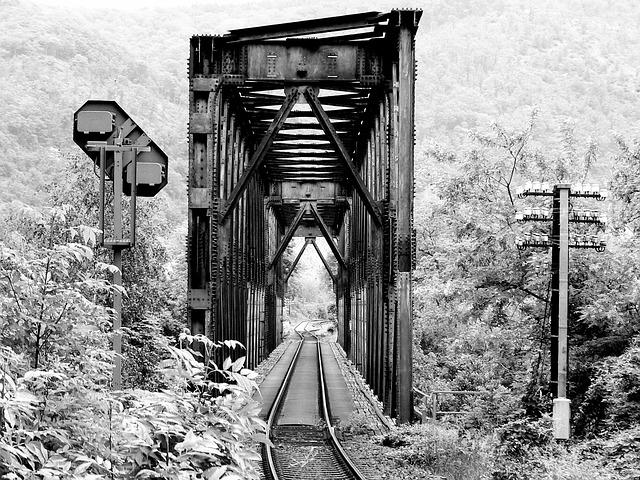
Argentina’s ambitious plans to privatize its sprawling railway network are encountering significant obstacles, signaling a challenging road ahead for the country’s transportation sector. Despite government efforts to attract private investment and modernize infrastructure, hurdles such as regulatory complexities, financial constraints, and political resistance continue to stall progress. As Argentina seeks to revitalize its railways to boost economic growth and improve connectivity, the coming months will be critical in determining whether the privatization initiative can overcome these longstanding barriers.
Argentina’s Railway Ambitions Confront Infrastructure and Investment Challenges
Argentina’s aspirations to revitalize its sprawling rail network through privatization are running into significant headwinds. Despite the government’s ambitious plans, the country faces a glaring shortage of capital investment and persistent infrastructure deterioration that hampers progress. Key railway lines remain outdated, with aging tracks and insufficient signaling systems limiting operational speeds and safety standards. Stakeholders highlight the urgent need for a comprehensive overhaul to attract private investors confident in a sustainable return on investment.
Challenges extend beyond physical infrastructure. Regulatory uncertainty and complex bureaucratic hurdles create an unpredictable environment for potential partners. Experts reference the following critical obstacles:
- Fragmented project management: Multiple agencies with overlapping responsibilities burden decision-making processes.
- Financial constraints: High upfront costs and unstable funding sources deter long-term commitments.
- Market skepticism: Investors remain wary due to past experiences with stalled projects and economic volatility.
| Key Factor | Current Status | Impact |
|---|---|---|
| Track Condition | Poor; frequent maintenance needed | Limits train speed and safety |
| Investment Flow | Below target | Delays rehabilitation efforts |
| Regulatory Environment | Unclear policies | Discourages private capital |
Evaluating Economic and Social Impacts of Privatization on Local Communities
Privatization of Argentina’s railways has sparked significant debate over its tangible benefits and setbacks within local communities. While proponents argue that involving private enterprises brings in much-needed investment and efficiency, many residents have experienced uneven access to improved services. The social fabric in towns once dependent on state-operated lines has been altered, with some areas witnessing job losses and decreased connectivity. These shifts have profound implications, including changes in population dynamics, shifts in employment patterns, and alterations in daily commuting habits.
Economic benefits have been somewhat patchy, often favoring urban centers over rural localities. Several key factors contribute to this unequal impact:
- Job displacement: Privatization led to workforce downsizing, disproportionately affecting lower-skilled workers.
- Service prioritization: More profitable routes received upgrades, leaving less trafficked communities underserved.
- Local economic shifts: Markets near stations experienced decreased foot traffic where services were cut.
| Community Type | Economic Impact | Social Impact |
|---|---|---|
| Urban Centers | +15% investment in infrastructure | Improved mobility, but gentrification pressure |
| Suburban Areas | +5% increased connectivity | Mixed access, some reduction in jobs |
| Rural Communities | -10% service reduction | Heightened isolation, economic decline |
Strategic Recommendations for Sustainable Railway Reform and Public-Private Collaboration
To revitalize Argentina’s railway system while ensuring long-term sustainability, a multi-pronged approach must be embraced. Public-private partnerships (PPPs) should be structured with clear accountability and performance metrics to attract credible investors and avoid the pitfalls of past privatization attempts. Prioritizing infrastructure modernization, from upgrading signaling systems to investing in energy-efficient rolling stock, will be crucial to enhancing service reliability and reducing operational costs. Equally important is embedding environmental and social governance principles, which will help align the network’s growth with broader sustainable development goals.
Policy coherence can be promoted through collaborative frameworks that involve stakeholders from government agencies, private operators, labor unions, and civil society. Key strategic actions include:
- Transparent concession agreements that define roles, risks, and revenue sharing.
- Incremental tariff reforms to balance affordability with financial viability.
- Integrated multimodal transport planning enhancing connectivity and passenger convenience.
- Capacity-building programs for regulatory bodies to monitor and enforce compliance effectively.
| Strategic Focus | Expected Outcome |
|---|---|
| Upgrading Rail Infrastructure | Improved safety and punctuality |
| Enhanced PPP Regulation | Greater investor confidence |
| Environmental Sustainability Initiatives | Reduced carbon footprint |
| Stakeholder Collaboration Frameworks | Aligned policies and shared goals |
Final Thoughts
As Argentina navigates the complex journey of railway privatization, the road ahead remains uncertain and fraught with challenges. While ambitions to modernize and attract private investment signal a potential revival of the nation’s rail infrastructure, regulatory hurdles, financial constraints, and stakeholder skepticism pose significant obstacles. Observers will be closely watching how policymakers balance public interests with market demands in the coming months, as the success-or failure-of this initiative could have far-reaching implications for Argentina’s broader economic recovery.