Italian cooking, renowned worldwide for its rich flavors and regional variety, is increasingly recognized not just as a culinary tradition but as a vital expression of sustainability and biocultural diversity. This perspective aligns closely with UNESCO’s designation of Italian cuisine as an Intangible Cultural Heritage, highlighting its deep roots in local ecosystems, agricultural practices, and community customs. As global challenges around environmental conservation and cultural preservation grow more urgent, Italy’s food heritage stands out as a compelling example of how traditional gastronomy can support sustainable development while safeguarding diverse cultural landscapes. This article explores the intersection of Italian cooking, environmental stewardship, and cultural identity in the context of UNESCO’s framework.
Italian Cooking as a Living Tradition Preserving Biocultural Diversity
Italian cooking is more than just a culinary practice; it is a vibrant living tradition deeply intertwined with the country’s rich environmental and cultural landscapes. At its core, this tradition champions sustainability by relying on seasonal, local ingredients harvested in harmony with nature. This approach not only preserves regional ecosystems but also protects the heritage of historic farming and fishing techniques passed down through generations. From the terraced vineyards of Tuscany to the olive groves of Puglia, each ingredient tells a story, reflecting the intimate relationship between people and their land.
Moreover, Italian cuisine plays a crucial role in safeguarding biocultural diversity by maintaining a vast array of native plant varieties, animal breeds, and artisanal food products. This diversity is visible in daily life through:
- Unique regional dishes that vary even between neighboring villages
- Traditional preservation methods like sun-drying tomatoes or aging cheeses
- Locally adapted recipes that respect historical agricultural knowledge and seasonal cycles
| Region | Key Ingredient | Traditional Practice |
|---|---|---|
| Tuscany | Chianti grapes | Terrace vineyard cultivation |
| Sicily | Blood Oranges | Organic orchard farming |
| Emilia-Romagna | Parmigiano Reggiano | Extended cheese maturation |
Sustainable Practices Rooted in Regional Ingredients and Ancient Techniques
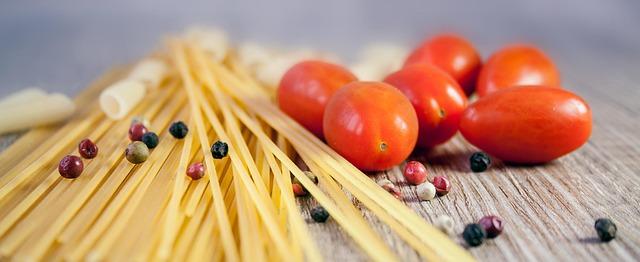
Italian culinary tradition stands as a beacon of eco-conscious gastronomy, deeply embedded in the use of regional ingredients that vary from the sun-drenched fields of Sicily to the lush valleys of Emilia-Romagna. This reliance on local produce not only minimizes the carbon footprint associated with long-distance transportation but also supports biodiversity by sustaining native plant varieties and heritage breeds. Ingredients like heirloom tomatoes, artisanal cheeses, and wild herbs are harvested in harmony with seasonal rhythms, reflecting a sustainable cycle that has been preserved for centuries.
Beyond the ingredients themselves, the techniques passed down through generations highlight a profound respect for natural resources. From the ancient art of slow fermentation in traditional bread-making to the meticulous hand-rolling of pasta, these methods emphasize resourcefulness and zero waste. The table below outlines a few examples where ancient techniques and sustainable practices converge to protect both cultural identity and ecological balance:
| Technique | Region | Sustainability Impact |
|---|---|---|
| Wood-fired pizza baking | Campania | Uses renewable wood, low energy consumption |
| Dry-curing prosciutto | Parma | Preserves meat naturally without additives |
| Sun drying herbs and tomatoes | Tuscany | Harnesses solar energy, no electricity used |
| Traditional olive oil pressing | Apulia | Minimal processing, supports local groves |
Recommendations for Supporting Italy’s Culinary Heritage Through Responsible Consumption
Preserving the vibrant legacy of Italy’s culinary traditions requires a conscious shift towards sustainable consumption patterns that honor local diversity and seasonal rhythms. Supporting small-scale farmers and artisans not only safeguards traditional recipes but also fosters biocultural diversity intimately linked to regional identities. Prioritizing ingredients sourced from regenerative agriculture and embracing the slow food movement can reduce environmental impact while amplifying the rich flavors unique to each Italian terroir.
Consumers and businesses alike can adopt simple yet effective practices to sustain this invaluable heritage:
- Choose organic, locally produced ingredients to support community economies and reduce carbon footprints
- Favor heirloom varieties and indigenous livestock breeds that maintain genetic diversity
- Reduce food waste by planning meals around seasonal availability and utilizing whole ingredients
- Promote culinary education that highlights traditional methods and the cultural stories behind dishes
| Action | Impact | Example |
|---|---|---|
| Buying from Farmer’s Markets | Boosts local economy & reduces food miles | Fresh basil from Ligurian growers |
| Using Seasonal Ingredients | Preserves ecological balance | Artichokes in spring, chestnuts in autumn |
| Participating in Food Festivals | Enhances cultural exchange and awareness | Truffle fairs in Alba |
To Conclude
As Italian cooking continues to captivate palates worldwide, its recognition by UNESCO as an Intangible Cultural Heritage underscores a deeper narrative-one where culinary tradition intertwines with sustainability and biocultural diversity. This rich heritage not only celebrates time-honored recipes and local ingredients but also highlights the essential role of farming practices and community knowledge in preserving ecosystems and cultural identity. In an era increasingly defined by environmental concerns and globalization, Italian cuisine stands as a testament to how food culture can foster resilience, respect for biodiversity, and sustainable living. Preserving this delicate balance will be crucial to ensuring that future generations can savor the authentic flavors and values embedded in Italy’s gastronomic legacy.