
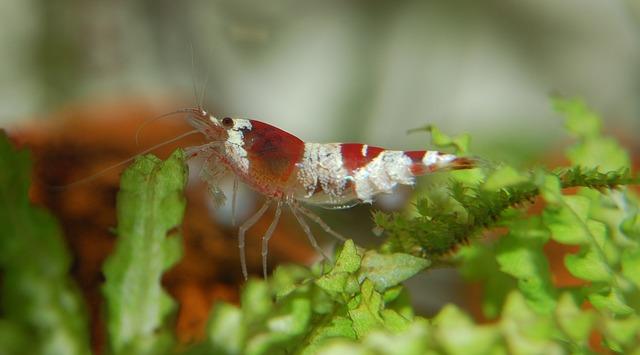
Spain has announced the allocation of an additional nine tons of red shrimp to its Mediterranean trawling fleet, a move aimed at bolstering the region’s seafood industry amid growing demand. This recent quota adjustment reflects ongoing efforts by Spanish authorities to support local fishermen and sustain the maritime economy while balancing ecological considerations. Stakeholders in the fishing community are closely monitoring how this increased allocation will impact both supply chains and market dynamics in the Mediterranean seafood sector.
Spain Boosts Mediterranean Trawling Fleet with Extra Red Shrimp Allocation
The Spanish government has recently authorized an increase in the allowable catch for the Mediterranean trawling fleet, adding 9 extra tons of red shrimp to this year’s quota. This decision aims to support local fisheries struggling under recent market fluctuations and to strengthen Spain’s position in the competitive Mediterranean seafood industry. The move reflects both a commitment to sustainable fishing practices and an effort to meet rising consumer demand for high-quality red shrimp, a prized delicacy across European markets.
Industry experts highlight several anticipated impacts from this allocation boost:
- Economic relief for small-scale fishermen by increasing catch potential without compromising conservation efforts.
- Improved supply chain stability, ensuring consistent availability in regional seafood markets.
- Enhanced export opportunities as Spain seeks to expand its footprint in Mediterranean and global seafood exports.
| Allocation Period | Previous Quota (tons) | New Quota (tons) | Percentage Increase |
|---|---|---|---|
| 2023 | 15 | 24 | 60% |
| 2024 | – | 9 | New Allocation |
Assessing the Impact of Increased Red Shrimp Quota on Local Fisheries and Economy
The augmentation of the red shrimp quota by an additional 9 tons is projected to deliver a substantial boost to local fisheries, particularly those operating in the Mediterranean trawling sectors. This move is expected to enhance catch volumes, allowing fishermen to maximize their haul during peak seasons, which historically face restrictions due to quota limitations. Stakeholders anticipate a ripple effect that will strengthen supply chains, improve market availability, and stabilize prices for consumers without causing environmental strain. Moreover, the quota increase presents an opportunity for small-scale fishers to participate more competitively, fostering a more inclusive economic environment within the fishing communities.
Economic indicators suggest the quota uplift will:
- Improve local employment by encouraging longer fishing seasons
- Boost ancillary industries like processing, packaging, and distribution
- Enhance export potential, reinforcing Spain’s position in the global seafood market
However, sustainability remains a key factor, with authorities closely monitoring catch data to mitigate risks of overfishing. The following table outlines projected impacts on key economic and environmental indicators over the next fiscal year:
| Indicator | Before Quota Increase | Projected After Increase |
|---|---|---|
| Annual Catch (tons) | 120 | 129 |
| Employment in Fisheries | 850 | 920 |
| Seafood Export Value (€ million) | 35 | 42 |
| Estimated Sustainability Index | 78% | 75% |
Sustainable Practices and Policy Recommendations for Managing Expanded Catch Limits
To ensure the sustainability of the expanded catch limits for red shrimp, it is critical that fishery management incorporates adaptive practices that balance economic gain with ecological preservation. Measures such as real-time monitoring of shrimp stocks, seasonal fishing closures, and the promotion of selective gear technology can significantly reduce bycatch and habitat disruption. Collaborations between scientists, fishers, and policymakers will be vital to maintain population health and prevent overexploitation, especially considering the delicate biodiversity of the Mediterranean ecosystem.
Policy recommendations emphasize the need for holistic approaches that integrate socio-economic incentives with stringent enforcement. Key strategies include:
- Implementing quota systems that adjust dynamically based on annual stock assessments.
- Enhancing transparency through mandatory reporting and traceability programs.
- Supporting community-based management plans to empower local stakeholders.
- Expanding funding for research on climate impacts affecting red shrimp distribution.
| Practice | Expected Outcome | Timeframe |
|---|---|---|
| Selective Gear Adoption | Reduced Bycatch | Short-term (1-2 years) |
| Quota Adjustments | Population Stability | Medium-term (3-5 years) |
| Seasonal Closures | Habitat Recovery | Long-term (5+ years) |
Concluding Remarks
As Spain moves forward with its decision to allocate an additional nine tons of red shrimp to the Mediterranean trawling fleet, industry stakeholders are closely watching the potential impacts on both the market and marine ecosystems. This strategic adjustment reflects ongoing efforts to balance economic interests with sustainable fishing practices in the region. Further developments are expected as authorities monitor catch levels and environmental factors to ensure the long-term viability of Spain’s seafood resources.