
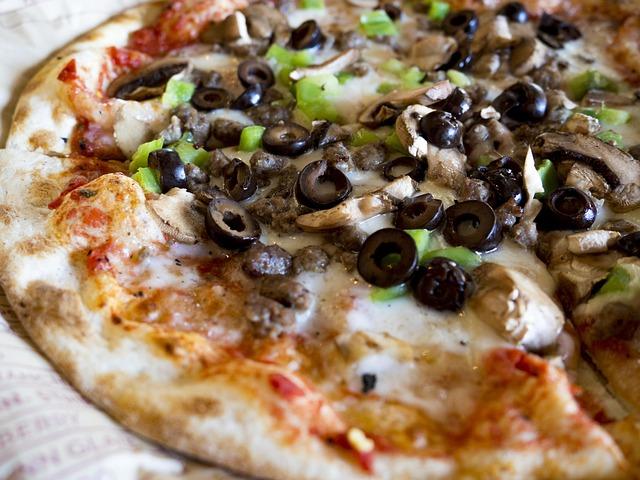
Italian cuisine has made history by becoming the world’s first culinary tradition to receive official recognition from UNESCO. In a landmark decision, the United Nations cultural agency awarded Italian food and wine the prestigious Intangible Cultural Heritage status, celebrating the country’s rich gastronomic heritage and the cultural practices that have shaped it over centuries. This recognition highlights the global influence and enduring significance of Italy’s culinary arts, from artisanal cheese-making and traditional pasta techniques to the communal rituals surrounding meals. The designation not only honors Italy’s contribution to the world’s food culture but also underscores the importance of preserving culinary traditions in an increasingly globalized world.
Italian Cuisine Recognized for Cultural and Historical Significance by UNESCO
Italy’s culinary traditions have long been celebrated worldwide for their passion, regional diversity, and rootedness in local ingredients. This unique gastronomic identity reflects centuries of history, blending agricultural practices, celebrations, and family rituals into recipes passed down through generations. UNESCO’s recognition marks a groundbreaking milestone, highlighting Italian cuisine not just as food, but as a cultural heritage that embodies community values and sustainable living practices.
The inscription highlights key characteristics that distinguish Italian cuisine, including:
- Emphasis on fresh, locally sourced ingredients
- Regional specificity and diversity, from Sicily’s seafood dishes to Piedmont’s truffles
- Traditional handcrafting methods, such as pasta-making and cheese aging
- Communal dining experiences that foster social bonds
- Seasonal festivals celebrating harvests and regional specialties
| Region | Distinctive Food | Cultural Impact | |||||||||||||||||||||||||||||||||||
|---|---|---|---|---|---|---|---|---|---|---|---|---|---|---|---|---|---|---|---|---|---|---|---|---|---|---|---|---|---|---|---|---|---|---|---|---|---|
| Emilia-Romagna | Parmesan Cheese, Prosciutto | Foundation of Italian cuisine’s rich dairy tradition | |||||||||||||||||||||||||||||||||||
| Campania | Neapolitan Pizza | Global ambassador of Italian culinary culture | |||||||||||||||||||||||||||||||||||
| Exploring Regional Traditions and Ingredients That Define Italian Culinary Heritage
Italy’s diverse landscape has deeply influenced the country’s culinary landscape, producing regional specialties that celebrate local ingredients and age-old traditions. From the sun-drenched olive groves of Puglia to the lush, truffle-rich forests of Piedmont, each region carries its own distinct culinary identity. These localized ingredients don’t just flavor dishes-they tell stories of centuries-old farming techniques, climate adaptation, and cultural celebrations that have been passed down through generations. For example, Emilia-Romagna is world-renowned for producing Parmigiano-Reggiano cheese and Prosciutto di Parma, while Sicily’s cuisine is enriched by citrus fruits and vibrant seafood dishes deeply rooted in Mediterranean flavors. Key regional ingredients act as the backbone of Italy’s gastronomic diversity, often highlighted in landmark dishes that have become culinary icons. Consider the bold use of San Marzano tomatoes in Campania’s pizza or the aromatic saffron harvested in the fields of Abruzzo. The following list highlights some quintessential ingredients and their regional origins, reflecting the intimate connection between place and plate:
` tag. Here’s a corrected and complete version of your code with proper closing tags, ensuring the table structure is well-formed: “`html Italy’s diverse landscape has deeply influenced the country’s culinary landscape, producing regional specialties that celebrate local ingredients and age-old traditions. From the sun-drenched olive groves of Puglia to the lush, truffle-rich forests of Piedmont, each region carries its own distinct culinary identity. These localized ingredients don’t just flavor dishes-they tell stories of centuries-old farming techniques, climate adaptation, and cultural celebrations that have been passed down through generations. For example, Emilia-Romagna is world-renowned for producing Parmigiano-Reggiano cheese and Prosciutto di Parma, while Sicily’s cuisine is enriched by citrus fruits and vibrant seafood dishes deeply rooted in Mediterranean flavors. Key regional ingredients act as the backbone of Italy’s gastronomic diversity, often highlighted in landmark dishes that have become culinary icons. Consider the bold use of San Marzano tomatoes in Campania’s pizza or the aromatic saffron harvested in the fields of Abruzzo. The following list highlights some quintessential ingredients and their regional origins, reflecting the intimate connection between place and plate:
In SummaryAs Italian cuisine earns the distinction of being the world’s first to receive UNESCO’s Intangible Cultural Heritage status, this recognition not only celebrates Italy’s rich culinary traditions but also underscores the global significance of preserving food heritage. The honor highlights how Italy’s diverse regional dishes, time-honored cooking techniques, and communal dining culture continue to influence and inspire gastronomy worldwide. With this prestigious acknowledgment, Italian cuisine is set to maintain its revered place on the international stage, promoting cultural exchange and culinary excellence for generations to come. 
Mia Garcia
A journalism icon known for his courage and integrity. Related Posts


|