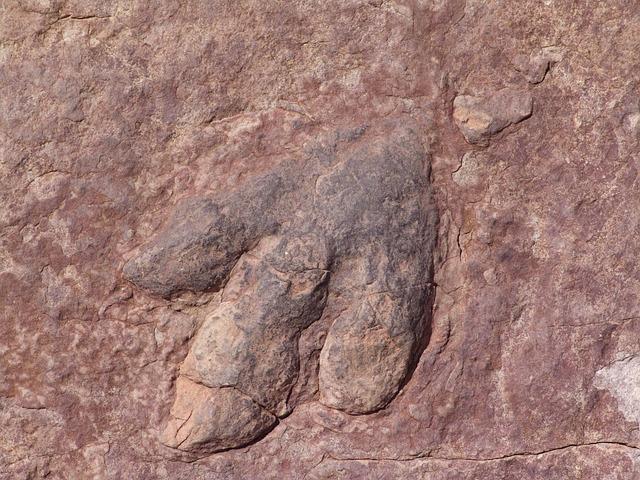
Archaeologists and paleontologists have made a remarkable discovery in Italy, uncovering thousands of dinosaur footprints that promise to shed new light on prehistoric life in the region. The extensive tracksite, revealed in a recent excavation, offers an unprecedented glimpse into the movement and behavior of dinosaurs that roamed the area millions of years ago. This finding not only enhances understanding of Italy’s ancient past but also adds a significant chapter to the global record of dinosaur activity.
Dinosaur Footprints Unearthed in Italy Shed New Light on Prehistoric Behavior
Recent excavations in northern Italy have uncovered an extensive array of dinosaur footprints, providing unprecedented insights into the behavior and movement patterns of these ancient creatures. Spanning across several sedimentary rock layers, the site reveals footprints belonging to multiple dinosaur species, ranging from small theropods to large sauropods. Researchers highlight the significance of the find, emphasizing how the differing stride lengths and depth impressions suggest varied walking speeds and social behaviors, indicating potential herd movement and predator-prey dynamics previously undocumented in this region.
Key features of the discovery include:
- Over 3,000 individual footprints mapped and cataloged
- Multiple trackways showing overlapping paths and crossing directions
- Evidence of juvenile and adult dinosaurs traveling together
- Footprints dated to the Late Jurassic period, approximately 150 million years ago
| Species Type | Footprint Size (cm) | Stride Length (m) | Estimated Speed (km/h) |
|---|---|---|---|
| Theropod | 30 | 2.5 | 12 |
| Sauropod | 75 | 4.0 | 7 |
| Ornithopod | 40 | 3.0 | 10 |
Researchers Analyze Track Patterns to Understand Dinosaur Movement and Environment
Detailed examination of the newly uncovered footprints has offered scientists valuable insight into the behavior and ecosystem of the dinosaurs that once roamed the area. By studying the size, depth, and spacing of the tracks, researchers deduced walking speeds, herd dynamics, and possible interactions between different species. The variety in footprint morphology suggests a diverse assemblage of dinosaurs, ranging from large herbivorous sauropods to smaller, agile theropods, each leaving distinctive traces in the ancient sediment.
Moreover, the preservation state and orientation of the prints provide clues about environmental conditions during the time the footprints were made. Moisture levels, substrate consistency, and even tidal influences have been inferred, helping paleontologists reconstruct a landscape that supported rich biodiversity. The analysis also revealed patterns consistent with seasonal migration, hinting at complex behavioral adaptations to climate fluctuations.
- Footprint Sizes: Ranged from 10 cm to over 70 cm in length
- Estimated Speed: Between 2 to 8 km/h depending on species
- Species Diversity: At least five distinct dinosaur types identified
- Environmental Indicators: Signs of wetland and floodplain habitats
| Track Feature | Inference |
|---|---|
| Depth of Print | Weight and movement dynamics of dinosaurs |
| Stride Length | Walking or running speed estimation |
| Orientation | Herd direction and possible migration routes |
| Footprint Density | Population density and social behavior |
Conservation Efforts Urged to Protect Italy’s Newly Discovered Paleontological Treasure
The discovery of thousands of dinosaur footprints in Italy has sparked an urgent call among scientists and preservationists to implement robust conservation measures. These footprints, etched into the ancient rock formations, offer invaluable insights into prehistoric ecosystems and dinosaur behavior. Experts warn that without immediate protective actions, these irreplaceable traces are vulnerable to natural erosion, urban development, and unregulated tourism. Preservation initiatives now focus on balancing public access with safeguarding the site’s integrity, aiming to prevent irreversible damage to this newly unveiled paleontological wealth.
Key conservation priorities include:
- Establishing protected boundaries around the footprint sites
- Implementing controlled visitor pathways and viewing platforms
- Continuous monitoring through scientific surveys and surveillance
- Community engagement programs to promote awareness and local stewardship
| Conservation Strategy | Expected Outcome |
|---|---|
| Site Fencing & Signage | Prevent unintentional footprint damage |
| Guided Tours Only | Minimize foot traffic impact |
| Regular Erosion Assessments | Early detection of natural wear |
| Local School Partnerships | Foster long-term community involvement |
In Retrospect
The discovery of thousands of dinosaur footprints in Italy not only sheds new light on the prehistoric life that once thrived in the region but also offers valuable insights for paleontologists worldwide. As researchers continue to study the site, this remarkable find is expected to deepen our understanding of dinosaur behavior and migration patterns during the Mesozoic era. Stay tuned for further updates as the investigation unfolds.