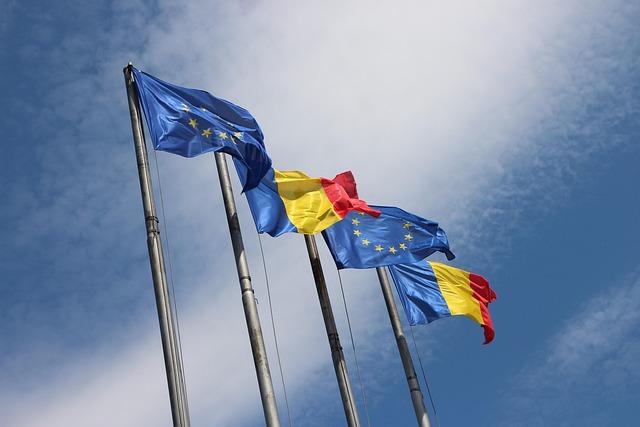
EU leaders have agreed to extend a substantial loan package of €90 billion to Ukraine to support the country’s ongoing recovery and defense efforts amid the conflict with Russia. However, the summit concluded without a consensus on the contentious issue of seizing and repurposing frozen Russian assets to fund the aid. The stalemate highlights the complexities facing European nations as they balance financial assistance, legal challenges, and geopolitical considerations in their response to the crisis.
EU Leaders Pledge 90 Billion Euro Loan to Support Ukraine Amid Ongoing Conflict
The European Union has unveiled a substantial financial package amounting to €90 billion in loans aimed at bolstering Ukraine’s resilience in the face of ongoing conflict. This multi-year support plan underscores the bloc’s commitment to sustaining Ukraine’s economy and critical infrastructure while helping to stabilize the region amid escalating tensions. The funds will be allocated over several years, with priority given to sectors such as energy, defense, and humanitarian aid to alleviate the dire consequences of the war on civilians and essential services.
- Loan Duration: Up to 10 years with favorable terms
- Key Focus Areas: Infrastructure rebuilding, energy security, social programs
- Disbursement Strategy: Phased releases linked to reform benchmarks
However, despite this significant financial commitment, EU leaders failed to reach a consensus on the contentious issue of seizing and repurposing frozen Russian assets to fund Ukraine’s recovery efforts. This impasse highlights ongoing divisions within the bloc regarding legal frameworks and geopolitical implications of asset utilization. The stalled agreement means that for now, Ukraine will primarily rely on the established loan plan rather than tapping into these frozen funds, a move some critics argue limits the potential financial leverage available to the EU.
| Issue | Status | Impact |
|---|---|---|
| €90bn Loan Package | Approved | Economic & social support |
| Russian Asset Use | Pending consensus | Potential funding gap |
| Disbursement Timeline | Phased | Linked to reforms |
Division Over Utilization of Frozen Russian Assets Hampers Unified Financial Strategy
The European Union faces a critical impasse as member states struggle to reach consensus on the deployment of frozen Russian assets. While there is broad support for financial assistance to Ukraine, divergent views on how to utilize these assets have stalled a unified approach. Some nations advocate for direct funding to Kyiv, whereas others prioritize legal and ethical considerations tied to asset management, complicating negotiations.
Key points of contention include:
- Varied legal frameworks governing frozen assets across EU countries
- Concerns over possible retaliation or escalation by Russia
- Disagreement on prioritizing immediate aid versus long-term reparations
| Country | Position on Asset Utilization | Preferred Aid Mechanism |
|---|---|---|
| Germany | Strict legal safeguards | Loan agreements |
| France | Direct asset transfer | Grants |
| Italy | Conditioned usage tied to reconstruction | Blended financing |
Experts Urge Coordinated Approach to Maximize Aid Effectiveness and Secure Long-Term Stability
In light of the recent €90 billion loan package approved by EU leaders to support Ukraine, experts emphasize the critical need for a unified strategy that ensures aid reaches its intended targets efficiently. Without a coordinated mechanism, the risk of fragmented efforts could diminish the long-term impact of such substantial financial backing. Authorities and international partners are urged to synchronize financial oversight, logistical planning, and on-the-ground implementation to avoid delays and maximize the benefits of international assistance.
Furthermore, the unresolved debate over the utilization of frozen Russian assets threatens to undermine the strategic vision of stability and recovery. Experts suggest that integrating these resources responsibly could both compensate for the soaring costs of reconstruction and deter further aggression. Key recommendations include:
- Establishing a centralized governance body to oversee disbursement and monitoring of aid funds.
- Promoting transparency and accountability to build trust among donors and recipients.
- Aligning reconstruction goals with Ukraine’s long-term economic and social development plans.
- Engaging local stakeholders to ensure that aid addresses real community needs.
| Priority Area | Estimated Funding (€bn) | Expected Outcome |
|---|---|---|
| Infrastructure Repair | 35 | Restores essential services & transport |
| Humanitarian Relief | 20 | Supports displaced families and health |
| Economic Stimulus | 25 | Revitalizes industries and employment |
| Governance & Security | 10 | Strengthens institutions & rule of law |
Concluding Remarks
As EU leaders move forward with a substantial €90 billion loan package to support Ukraine, the unresolved disagreement over the use of seized Russian assets highlights ongoing divisions within the bloc. While the financial aid marks a significant commitment to Ukraine’s resilience, the lack of consensus underscores the complexities facing European unity in responding to the conflict. Observers will be watching closely as negotiations continue, with the hope that a coordinated approach can be achieved to bolster Ukraine’s recovery efforts.