
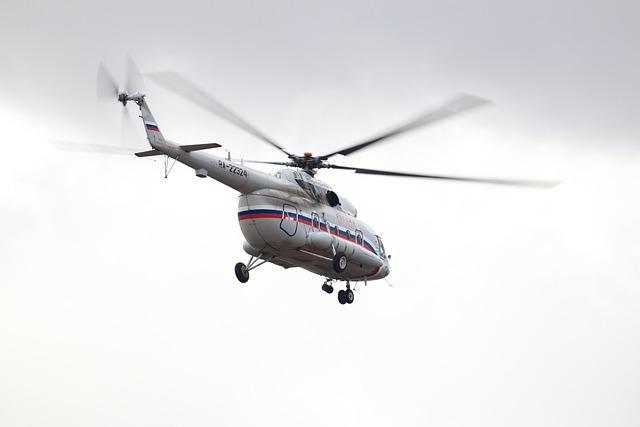
Russian President Vladimir Putin has issued a stark warning that Moscow will intensify its military efforts to expand territorial control in Ukraine if ongoing peace negotiations collapse. Speaking amid stalled talks aimed at resolving the conflict, Putin signaled a readiness to pursue further gains on the battlefield, underscoring the fragile nature of diplomacy in the region. The developments heighten concerns about the potential for renewed escalation as international efforts to broker a ceasefire face significant challenges.
Putin Signals Increased Military Ambitions Amid Stalled Ukraine Peace Negotiations
Russian President Vladimir Putin has unequivocally indicated that Moscow will not hesitate to intensify its military efforts if the current peace negotiations over Ukraine reach an impasse. In a recent address, Putin emphasized that Russia’s objectives extend beyond defending its existing territorial control, signaling an intent to consolidate and potentially expand its influence across contested regions. This assertive stance comes amid mounting international pressure and growing concerns over a prolonged conflict that shows little sign of resolution.
Key takeaways from Putin’s remarks include:
- Potential escalation of military operations if diplomatic talks fail
- Increased investment in strategic defense infrastructure in eastern Ukraine
- Heightened readiness of Russian forces near conflict zones
| Aspect | Current Status | Potential Change |
|---|---|---|
| Military Presence | Stabilized in key areas | Possible reinforcement deployments |
| Peace Talks | Stalled since last month | Likely suspension or collapse |
| Territorial Control | Limited gains held | Expansion efforts anticipated |
Analysis of Russia’s Strategic Objectives in Eastern Europe and Potential Regional Impacts
Russia’s ambitions in Eastern Europe appear far more expansive than territorial gains in Ukraine alone. Officials in Moscow have long positioned the region as pivotal to Russia’s historical sphere of influence, underscoring strategic priorities that include:
- Securing critical land corridors to annexed regions, enhancing logistics and military mobility
- Undermining NATO’s eastern flank to weaken Western alliances
- Exerting economic leverage on neighboring states to shape policy alignment
- Projecting power to deter further Western military presence in proximate countries
The potential ramifications extend beyond immediate conflict zones, threatening the stability of Eastern Europe’s fragile security architecture. Should Russia succeed in consolidating control, regional governments may face heightened pressure to recalibrate defense postures and diplomatic ties. Moreover, the risk of escalated military engagements could spark displacement crises and disrupt energy supplies critical to the continent.
| Strategic Objective | Regional Impact | ||||||||||||||
|---|---|---|---|---|---|---|---|---|---|---|---|---|---|---|---|
| Securing land corridors | Disrupted supply routes, potential military entrenchment | ||||||||||||||
| Weakening NATO presence | Increased regional insecurity, alliance reassessment | ||||||||||||||
| Economic coercion | Shift in trade dependencies, political realignments | ||||||||||||||
| Power projection | Recommendations for Diplomatic Engagement and Strengthening International Mediated Dialogue
In light of recent developments, it is critical for global actors to recalibrate their diplomatic strategies to prevent further escalation. Emphasizing continuous, inclusive dialogue channels can foster mutual understanding and reduce mistrust. Key international mediators should proactively facilitate forums that encourage direct communication between conflicting parties, while ensuring the presence of impartial observers to enhance transparency. Embracing innovative diplomatic tools such as virtual roundtables and simultaneous interpretation services could break down existing barriers and increase engagement efficiency. Recommendations for effective mediation include:
|