
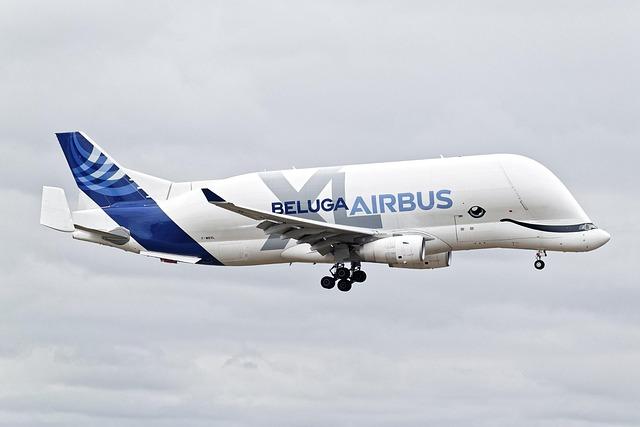
Spain has placed an order for 18 Airbus C295 aircraft as part of a significant effort to modernize its military training and transport fleet. The acquisition, announced this week, underscores Spain’s commitment to enhancing its defense capabilities through updated, versatile platforms capable of fulfilling a range of operational roles. The new C295s will replace aging aircraft, providing improved performance, efficiency, and mission flexibility for the Spanish Armed Forces. This procurement marks a key step in Spain’s broader strategy to upgrade its military aviation assets in response to evolving defense requirements.
Spain Boosts Military Capabilities with Acquisition of Airbus C295 Aircraft
The Spanish Ministry of Defence has taken a decisive step towards enhancing its aerial capabilities by placing an order for 18 Airbus C295 tactical transport aircraft. These versatile planes are set to replace aging fleets and substantially improve the efficiency of both military training operations and troop transport missions. Equipped with state-of-the-art avionics and capable of operating from short and unprepared runways, the C295 offers Spain increased operational flexibility and readiness in a variety of mission profiles, from humanitarian aid to tactical deployment.
Key features of the Airbus C295 include:
- Payload capacity of up to 9,250 kg
- Range exceeding 2,000 km
- Advanced multi-mission capabilities such as maritime patrol and surveillance
- Robust performance in diverse weather conditions
| Specification | Value |
|---|---|
| Crew | 2-3 |
| Maximum Takeoff Weight | 23,200 kg |
| Cruising Speed | 480 km/h |
| Service Ceiling | 7,620 m |
This acquisition not only signals Spain’s commitment to modernising its military transport fleet but also consolidates its position within European defence circles working closely with Airbus. The integration of these airframes is expected to provide logistical support efficiency while improving pilot training programs with updated platforms that reflect current and future operational demands.
Modernising Training Programs to Enhance Pilot Readiness and Operational Efficiency
Spain’s decision to acquire 18 Airbus C295 aircraft marks a significant step toward revitalising its military training and transport capabilities. These modern platforms are set to provide trainees with hands-on experience in an environment that closely simulates operational conditions, thereby bridging the gap between theory and real-world application. Enhanced cockpit technologies and advanced avionics systems featured in the C295 will allow pilot candidates to develop critical skills efficiently, preparing them for a wide spectrum of missions ranging from tactical airlift to humanitarian aid.
The integration of the new fleet is expected to streamline operational workflows and elevate mission readiness through:
- State-of-the-art flight simulation: Improved fidelity simulations that complement live training scenarios.
- Interoperability upgrades: Seamless communication and coordination with other NATO assets and allied forces.
- Optimised maintenance scheduling: Reducing downtime and increasing aircraft availability for training sorties.
| Training Aspect | Benefit |
|---|---|
| Avionics Familiarisation | Accelerates learning curve |
| Flight Hours | Increased by 25% annually |
| Maintenance Efficiency | Improved turnaround times |
| Operational Scenarios | Expanded mission profiles |
These advancements collectively contribute to a more agile and competent air force, capable of responding swiftly to evolving defense challenges across Europe and beyond.
Recommendations for Integrating New Fleet into Spain’s Defence Infrastructure
To ensure a seamless incorporation of the 18 Airbus C295 aircraft into Spain’s defence infrastructure, it is essential to prioritise interoperability with existing systems. This includes upgrading communication networks and ground support equipment to fully exploit the new fleet’s capabilities. Furthermore, comprehensive training programs for pilots and maintenance crews should be developed, emphasising the unique operational features of the C295. Collaborative exercises with allied forces can also enhance tactical versatility and maximise the aircraft’s effectiveness in joint missions.
In addition, logistical planning must be adapted to accommodate the new platform’s servicing and spare parts supply chain. Establishing regional maintenance hubs will reduce downtime and improve readiness across different bases. Spain’s defence authorities are also encouraged to integrate advanced digital management tools for real-time monitoring and asset tracking, optimising fleet utilisation. The following table summarises key focus areas for successful integration:
| Focus Area | Recommended Action | Expected Benefit |
|---|---|---|
| Training & Simulation | Implement advanced simulators tailored to C295 | Enhanced pilot proficiency and safety |
| Maintenance & Logistics | Establish regional servicing hubs | Reduced aircraft downtime |
| Communication Systems | Upgrade to secure and interoperable networks | Improved mission coordination |
| Fleet Management | Deploy digital asset monitoring tools | Optimised operational readiness |
In Summary
Spain’s order of 18 Airbus C295 aircraft marks a significant step in modernizing its military training and transport capabilities. As the country seeks to enhance operational readiness and logistical efficiency, the new fleet will provide versatile and reliable support across a range of missions. This investment underscores Spain’s commitment to maintaining a robust defense infrastructure in an evolving geopolitical landscape, while reinforcing its collaboration with European aerospace industries. Further deliveries and integration phases will be closely watched as Madrid continues to upgrade its armed forces in the years ahead.