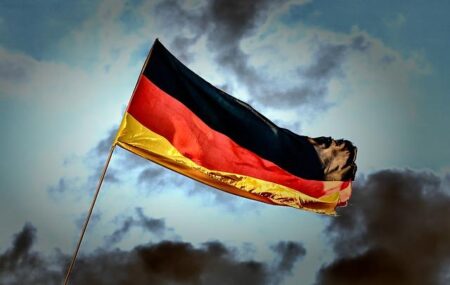

Sweden and Germany have announced significant reductions in their foreign aid budgets as part of a strategic shift to prioritize support for Ukraine and bolster national defence capabilities. The decision marks a notable realignment of global development funding, reflecting mounting geopolitical tensions and the urgent demands of the ongoing conflict in Eastern Europe. This move underscores the complex balancing act facing European governments as they navigate competing priorities between international aid commitments and domestic security concerns.
Sweden and Germany Redirect Aid Funds Toward Ukraine and Enhanced Defence Capabilities
In a significant shift of budget priorities, Sweden and Germany have announced reductions in their traditional aid allocations to funnel increased resources toward supporting Ukraine amidst ongoing geopolitical tensions. This strategic reallocation aims to bolster Ukraine’s resilience while simultaneously stepping up investments in national defence infrastructures to address evolving security challenges within Europe. The decisions underscore a broader trend among European nations reassessing foreign aid commitments in favor of direct regional security concerns.
The restructured funding plans reflect a balancing act between maintaining development assistance goals and responding to heightened defence imperatives. Key areas affected include:
- Cutbacks in humanitarian aid to low-income countries
- Increased military aid and training support for Ukrainian forces
- Expansion of advanced defence systems and cyber security measures
| Country | Previous Aid Budget (€ billion) | Defence Spending Increase (%) | Ukraine Support (€ billion) |
|---|---|---|---|
| Sweden | 4.5 | 15 | 1.2 |
| Germany | 12.0 | 20 | 2.8 |
Implications for Global Development Programs and Vulnerable Regions
As Sweden and Germany pivot funding towards Ukraine and bolster defence expenditures, the ripple effects on global development efforts are becoming increasingly pronounced. Regions already grappling with poverty, climate change, and conflict may face heightened vulnerabilities due to the contraction of aid budgets. Critical programs focused on health, education, and infrastructure risk scaling back or stalling, undermining years of progress in fragile communities. This reallocation signals a shift in donor priorities that could exacerbate disparities, especially in Sub-Saharan Africa and parts of South Asia where external support plays a pivotal role in sustaining development initiatives.
Key concerns include:
- Reduced funding for humanitarian relief in conflict zones beyond Ukraine
- Delays in climate adaptation projects essential for vulnerable populations
- Challenges in maintaining partnerships with local organizations on the ground
| Region | Current Aid Dependency | Potential Impact |
|---|---|---|
| East Africa | High | Food insecurity and health services at risk |
| South Asia | Moderate | Climate resilience initiatives delayed |
| Latin America | Low to Moderate | Social programs curtailed |
The reprioritization also challenges multilateral organizations that depend heavily on contributions from European donors. Reduced commitments could lead to budget shortfalls in the United Nations and related agencies, hindering coordinated responses to global crises. Advocates urge a balanced approach that upholds security interests without compromising the essential support frameworks for vulnerable populations worldwide. Without careful calibration, the shift risks leaving marginalized groups more exposed amid an already turbulent international landscape.
Policy Recommendations for Balancing Defence Priorities with Long-Term Humanitarian Commitments
As Sweden and Germany recalibrate their budgets to address immediate defence needs amid the Ukraine crisis, it is imperative that policymakers adopt a multifaceted approach to prevent long-term humanitarian setbacks. Integrating flexible funding models can allow governments to swiftly redirect resources without undermining ongoing developmental projects. To achieve this balance, international cooperation mechanisms should emphasize:
- Conditional budget allocations that empower rapid response while safeguarding core humanitarian programs.
- Enhanced transparency in defence and humanitarian spending to build public trust and ensure accountability.
- Collaborative frameworks involving civil society and multilateral agencies to optimize resource utilization.
Additionally, long-term sustainability hinges on a clear prioritization matrix that aligns defence imperatives with global development goals. Governments must avoid binary budget choices by adopting integrated strategies that allow for dynamic resource sharing, ensuring that humanitarian aid does not become collateral damage in geopolitical conflicts. The table below outlines a conceptual framework for budget reallocation processes that can help maintain equilibrium between defence readiness and humanitarian commitments:
| Budget Category | Short-Term Focus | Long-Term Safeguard | Action Steps |
|---|---|---|---|
| Defence Spending | Enhance troop readiness | Maintain peacekeeping funds | Establish buffer funds for emergencies |
| Humanitarian Aid | Support crisis zones | Preserve development programs | Implement rolling evaluations and impact assessments |
| Foreign Assistance | Focus on Ukraine | Protect multi-year commitments | Introduce flexible contract clauses |
The Conclusion
As Sweden and Germany redirect aid budgets towards bolstering Ukraine and enhancing their own defence capabilities, the realignment underscores the shifting priorities among Western donors amid ongoing geopolitical tensions. While the renewed focus aims to address immediate security challenges, it also raises critical questions about the long-term impact on global development initiatives. Observers will be watching closely to see how these changes influence both the conflict in Ukraine and the broader landscape of international aid.