
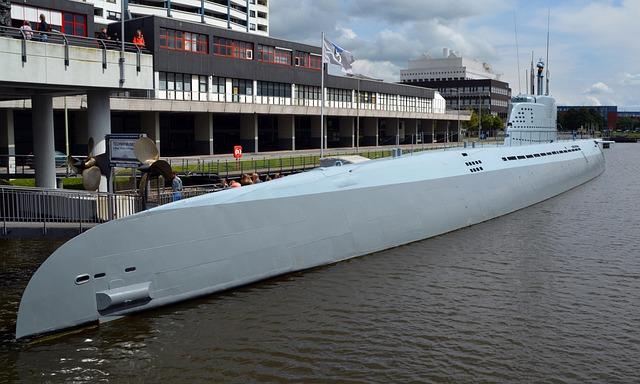
Japan is actively deliberating the development of nuclear-powered submarines as regional security challenges intensify, according to reports from ì¡°ì„ ì�¼ë³´. This strategic move marks a significant shift in Japan’s defense policy, reflecting deepening concerns over the growing military capabilities of neighboring countries. The potential introduction of nuclear-powered submarines aims to enhance Japan’s maritime deterrence and operational reach amid a complex geopolitical landscape in East Asia.
Japan Weighs Nuclear-Powered Submarines to Strengthen Maritime Defense Capabilities
Amid rising maritime disputes and growing strategic competition in the Indo-Pacific region, Japan is actively exploring the deployment of nuclear-powered submarines to reinforce its naval defenses. This potential shift marks a significant departure from Japan’s traditional reliance on diesel-electric submarines, signaling a strategic effort to enhance stealth, endurance, and operational reach. The adoption of nuclear propulsion would allow Japanese submarines to remain submerged for extended periods without surfacing, providing a critical advantage in surveillance and deterrence missions near contested waters.
Key advantages under consideration include:
- Extended submerged endurance, enhancing continuous underwater presence
- Greater speed and range, facilitating rapid response across vast maritime zones
- Improved capabilities to monitor and counter threatening submarine activities from neighboring countries
- Strengthening alliances through interoperability with U.S. naval forces already operating nuclear submarines
| Capability | Diesel-Electric Subs | Nuclear-Powered Subs |
|---|---|---|
| Endurance | Few days submerged | Several weeks/months submerged |
| Speed | Limited underwater speed | High sustained underwater speed |
| Range | Limited by battery and fuel | Global operational range |
| Stealth | Less silent during battery recharge | Quieter operation for extended periods |
Strategic Implications of Japan’s Submarine Shift for Regional Security Dynamics
Japan’s contemplation of deploying nuclear-powered submarines signals a pivotal shift in its defense posture, aiming to enhance its maritime reach and deterrence capabilities amid escalating tensions in East Asia. The move could bolster Japan’s ability to conduct extended underwater operations, given nuclear subs’ superior endurance and stealth compared to diesel-electric models. This capability is increasingly crucial as regional competitors expand their naval arsenals and assert influence over contested waters, particularly in the East China Sea and the Taiwan Strait. Analysts emphasize that these developments may prompt neighboring countries to recalibrate their security strategies, potentially intensifying an already volatile security environment.
From a broader strategic perspective, Japan’s submarine advancement challenges the existing naval balance and aligns closely with the defense priorities of its allies, especially the United States. It also reflects Tokyo’s intent to assert a more proactive defense role while navigating constitutional pacifism constraints. The following table outlines key aspects of Japan’s submarine capabilities compared with regional actors, highlighting potential shifts in undersea dominance:
| Country | Submarine Type | Approximate Fleet Size | Strategic Focus |
|---|---|---|---|
| Japan | Nuclear-Powered (Proposed) / Diesel-Electric | ~22 | Extended Reach & Deterrence |
| China | Nuclear-Powered & Diesel-Electric | ~70 | Area Denial & Power Projection |
| South Korea | Diesel-Electric | ~20 | Coastal Defense & Surveillance |
| Russia | Nuclear-Powered | ~40 | Global Strategic Presence |
- Enhanced deterrence: Nuclear subs provide longer patrol durations without surfacing.
- Regional response: May trigger arms modernization efforts among neighboring navies.
- Alliance dynamics: Strengthens Japan-US maritime collaboration in the Indo-Pacific.
Experts Urge Clear Policy Framework and Diplomatic Engagement to Mitigate Tensions
Amid escalating security concerns in the Indo-Pacific region, defense analysts and international relations experts emphasize the necessity of a well-defined policy framework to guide Japan’s strategic decisions. Clear guidelines would not only ensure transparency but also help avoid miscalculations that could exacerbate existing tensions. Experts argue that without a robust diplomatic strategy, moves such as deploying nuclear-powered submarines risk triggering arms races and heightening instability among neighboring countries.
Key recommendations from specialists highlight several critical approaches:
- Proactive dialogue channels: Establishing consistent communication with regional stakeholders to reduce misunderstandings.
- Multilateral security forums: Engaging in and strengthening alliances within international platforms to promote collective security.
- Confidence-building measures: Implementing transparency initiatives related to naval deployments and military exercises.
These measures, experts believe, could create a balanced environment where Japan’s defense needs and regional stability coexist without contravening international norms.
| Policy Area | Recommended Action | Expected Outcome |
|---|---|---|
| Diplomatic Engagement | Initiate bilateral talks with neighboring nations | Enhanced mutual trust |
| Transparency | Public disclosure of submarine capabilities | Reduced suspicion and misinformation |
| Regional Cooperation | Participate in joint maritime exercises | Stronger multilateral security network |
To Conclude
As Japan weighs the introduction of nuclear-powered submarines amid escalating regional tensions, the move signals a significant shift in the country’s defense posture. Balancing national security concerns with long-standing non-nuclear principles, Tokyo’s deliberations will be closely watched by neighboring countries and international observers alike. The outcome of this debate may well redefine regional maritime security dynamics in the years ahead.