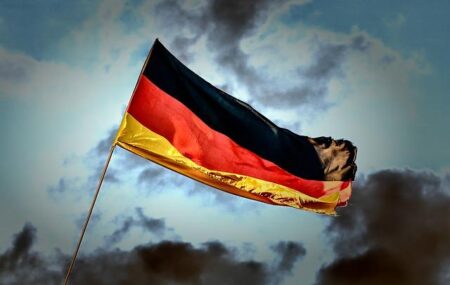

As Germany navigates a period of political and economic uncertainty, observers in China are closely monitoring Berlin’s shifting landscape with growing attentiveness. Known for their detailed analyses and strategic insights, China’s Germany watchers are taking stock of the capital’s uneasy turn, assessing implications for Sino-German relations amid a backdrop of evolving global dynamics. This article delves into how Chinese experts interpret recent developments in Germany, exploring the challenges and opportunities that lie ahead for one of China’s key partners in Europe.
China’s Analysts Scrutinize Germany’s Shifting Political Landscape Amid Global Tensions
China’s political analysts are closely monitoring Germany’s recent shifts, highlighting an increasingly cautious approach from Berlin as global geopolitical pressures mount. Beijing-based experts note that the German government’s recalibration-marked by a balancing act between upholding transatlantic ties and engaging with Eurasian economic initiatives-is fueling debates on the country’s strategic priorities. The influx of concerns ranges from energy security challenges to uncertainty in defense commitments, which, according to Chinese observers, signal a palpable recalibration within Europe’s economic powerhouse.
Key areas under scrutiny include:
- Germany’s stance on the EU’s Russia policy and energy diversification
- Berlin’s evolving ties with Beijing amidst US-China rivalry
- The impact of domestic coalition fragilities on foreign policymaking
| Factor | Chinese Analysts’ Perspective |
|---|---|
| Economic Diplomacy | Pragmatic yet cautious engagement with China, emphasizing trade stability |
| Security Policy | Heightened focus on NATO commitments amid regional uncertainties |
| Political Stability | Fragile coalition governments seen as potential hurdles to decisive action |
Economic and Diplomatic Implications of Berlin’s Policy Adjustments for Sino-German Relations
Berlin’s recent shifts in policy towards China have sent ripples through both economic corridors and diplomatic channels. The recalibration reflects growing concerns over technological dependence and human rights issues but concurrently introduces complexities in Sino-German trade relations. German industries reliant on Chinese markets are bracing for potential trade barriers and increased regulatory oversight, especially in sectors like automotive manufacturing and green technology-areas pivotal to both economies’ growth trajectories. Observers highlight Berlin’s balancing act: safeguarding national interests without alienating what remains one of its most critical economic partners.
Key considerations emerging from the new policy framework include:
- Supply chain diversification: German firms seek alternatives to reduce overreliance on Chinese raw materials and intermediate goods.
- Strategic investments: Enhanced scrutiny of Chinese capital inflows into critical industries aims to curb potential security risks.
- Diplomatic signaling: Ambiguous messaging could complicate future bilateral initiatives, affecting dialogue on climate cooperation and regional security.
| Aspect | Implication | Potential Outcome |
|---|---|---|
| Trade | Heightened tariffs and export controls | Reduced market access; increased costs |
| Technology | Restrictions on 5G and AI cooperation | Slower innovation cycles; search for allies |
| Diplomacy | More cautious engagement in multilateral forums | Potential for stalled initiatives |
Strategic Recommendations for Beijing to Navigate Uncertainty and Strengthen Cooperation with Germany
Amid the evolving geopolitical landscape, Beijing’s approach to Berlin must balance pragmatic engagement with cautious vigilance. Recognizing Germany’s shifting domestic priorities and increasing scrutiny over China-related investments, Chinese policymakers should prioritize targeted economic diplomacy that emphasizes mutual benefit and technology cooperation. Fostering partnerships in areas such as renewable energy and green technology can serve as a foundation for trust, while simultaneously aligning with Germany’s ambitious climate goals. Equally important is maintaining open channels for dialogue on trade disputes, intellectual property rights, and cybersecurity concerns to prevent escalation and build resilience against uncertainty.
An adaptive strategy grounded in cultural diplomacy and educational exchange will further enhance bilateral ties. Beijing can leverage Confucius Institutes and academic collaborations to cultivate deeper understanding and long-term goodwill among German youth and policymakers. Proactively addressing concerns about transparency and market access through structured, transparent communication frameworks will help reduce skepticism within Berlin’s political arena. Below is a concise overview of strategic focus areas recommended for China’s engagement with Germany:
| Strategic Focus | Recommended Actions | Expected Outcomes |
|---|---|---|
| Economic Diplomacy | Expand green tech partnerships; address trade concerns | Improved trust; sustainable cooperation |
| Cultural Exchange | Increase academic programs; promote cultural events | Stronger mutual understanding; softer political climate |
| Communication Transparency | Establish regular bilateral forums; share market access data | Reduced skepticism; conflict mitigation |
In Conclusion
As Berlin navigates its evolving relationship with Beijing amid shifting geopolitical currents, China’s Germany watchers remain vigilant, analyzing each diplomatic gesture and policy shift with keen interest. Their assessments underscore the complexities underlying the Sino-German partnership-a relationship marked by economic interdependence yet tempered by growing strategic caution. As tensions persist and uncertainties mount, both sides appear poised to recalibrate their engagement, signaling a new chapter that will demand careful observation from observers in both capitals and beyond.