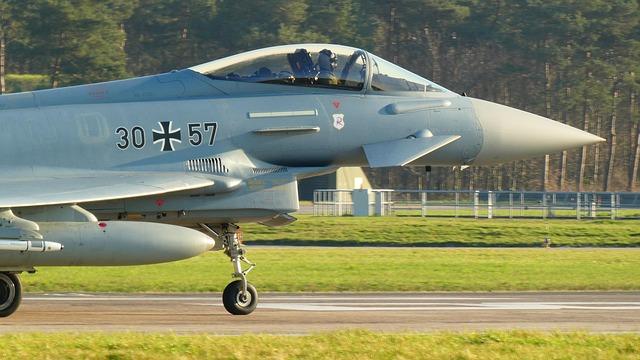
In a surprising turn in the ongoing debate over Canada’s next-generation fighter jet procurement, officials have delivered a clear message to European manufacturers: neither the F-35 nor the JAS 39 Gripen are the frontrunners. Instead, Canada is signaling strong interest in the Eurofighter Typhoon, reshaping expectations in the highly scrutinized competition. As Ottawa weighs its strategic defense priorities and industrial partnerships, the shifting dynamics underscore the complexity and high stakes of selecting the country’s future air superiority platform. Here’s what this development means for stakeholders on both sides of the Atlantic.
Canada Signals Shift in Fighter Jet Priorities Away from F-35 and Gripen
Canada’s latest defense procurement signals a notable divergence from previously favored options like the F-35 Lightning II and the Swedish JAS 39 Gripen. Rather than doubling down on these widely discussed platforms, Ottawa appears to be recalibrating its priorities, focusing on operational flexibility, interoperability with NATO allies, and cost-efficiency. This pivot challenges market assumptions and sends a clear message: the Eurofighter Typhoon, with its robust multirole capabilities and proven combat record, is gaining unexpected traction in Canada’s fighter jet conversation.
Experts point to several factors shaping this shift, including:
- Financial constraints: Budget pressures have made the high acquisition and maintenance costs of the F-35 less tenable.
- Strategic alignment: Enhanced NATO interoperability favors platforms already integrated within European defense networks.
- Operational versatility: The Eurofighter’s advanced sensors and weapon systems offer adaptability across diverse mission profiles.
| Fighter Model | Estimated Cost per Unit | Operational Range (km) | Stealth Capability |
|---|---|---|---|
| F-35 Lightning II | $90 million | 2,220 | High |
| JAS 39 Gripen | $50 million | 800 | Moderate |
| Eurofighter Typhoon | $85 million | 2,900 | Low-Moderate |
Evaluating the Eurofighter Typhoon in the Context of Canadian Defense Needs
When examining potential aircraft to meet the evolving demands of Canada’s defense framework, the Eurofighter Typhoon emerges as a compelling candidate. Its agility and advanced avionics cater well to the diverse Canadian operational environment stretching from Arctic patrols to rapid response scenarios. However, the question is whether its design philosophy-originally tailored for European airspace defense-aligns seamlessly with Canada’s unique strategic priorities, including long-range endurance and multimission flexibility essential for vast territorial coverage.
Key strengths of the Eurofighter Typhoon in a Canadian context include:
- High maneuverability enabling superior dogfighting capabilities.
- Integrated sensor fusion boosting situational awareness.
- Capability to operate advanced weapon systems tailored for both air-to-air and air-to-ground roles.
| Criteria | Eurofighter Typhoon | Canadian Defense Needs |
|---|---|---|
| Operational Range | 1,390 km (combat radius) | Extensive (Patrols over northern and maritime regions) |
| Multirole Capability | Yes | Essential |
| Arctic Adaptability | Moderate | High (Cold weather operations) |
While the Eurofighter demonstrates clear operational benefits, its range limitations and Arctic performance present challenges that need addressing to fully support Canada’s vast and harsh environment. Compared to other contenders, it would require strategic modifications or additional support assets to compensate for endurance gaps, highlighting that the message to this particular fighter is a nuanced one: capable but not yet perfectly fit without further adaptation.
Strategic Recommendations for Strengthening Canada’s Air Combat Capabilities
Canada’s approach to rejuvenating its air combat fleet demands a clear-eyed focus on flexibility, interoperability, and future-proof technology. Rather than doubling down on legacy choices like the F-35 or tapping into familiar contenders such as the JAS 39 Gripen, Ottawa’s strategic posture signals fresh interest in platforms offering both modular upgrade paths and optimized cost-efficiency. The Eurofighter Typhoon emerges as a compelling candidate due to its multirole capacity and proven European-based support infrastructure, enabling seamless integration with NATO allies. To solidify this path, Canada must prioritize investments in advanced avionics systems, open mission systems architecture, and enhanced sensor fusion capabilities, ensuring longevity in contested and network-centric environments.
Maximizing the Eurofighter’s potential necessitates more than just procurement; it requires a holistic overhaul of training, maintenance, and lifecycle management frameworks. Embedding a robust domestic industrial participation scheme will foster sovereign capability and mitigate future supply chain vulnerabilities. The table below outlines critical focus areas to bolster Canada’s air combat readiness while leveraging the Eurofighter platform:
| Focus Area | Strategic Objective | Expected Outcome |
|---|---|---|
| Avionics Modernization | Seamless integration of AI-driven systems | Enhanced situational awareness and targeting |
| Indigenous Maintenance | Develop Canadian technical workforce | Reduced downtime and cost savings |
| Interoperability Enhancements | Align with NATO digital standards | Improved coalition mission effectiveness |
| Upgrade Flexibility | Modular weapons and sensor packages | Future-proof adaptability against emerging threats |
The Way Forward
As Canada reassesses its fighter jet options amid shifting geopolitical dynamics and defense priorities, the message sent to manufacturers like Eurofighter Typhoon is clear: adaptability, cost-efficiency, and interoperability will be key factors moving forward. While legacy platforms such as the F-35 and JAS 39 Gripen continue to dominate headlines, Canada’s evolving stance signals a broader reconsideration within the global defense community. How this will reshape procurement decisions remains to be seen, but one thing is certain-Canada is sending a definitive signal that the future of its air force lies in a strategic balance of capability, affordability, and partnership.