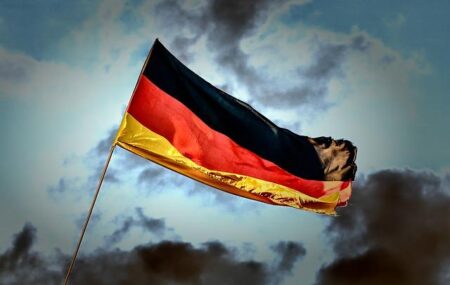

Germany is set to revitalize its travel industry with a significant reduction in air travel taxes beginning in 2026, a move aimed at stimulating both tourism and business travel. By lowering airfare costs and encouraging airlines to expand their route networks, the German government hopes to increase accessibility to key cities such as Berlin, Munich, and Frankfurt. This strategic adjustment is expected to attract a surge of visitors, strengthen economic ties, and position Germany as an even more competitive destination on the global travel map.
Germanys Air Travel Tax Cut Poised to Drive Surge in Tourism and Business Visits
Germany’s decision to reduce its air travel tax is expected to significantly lower airfare costs, making it more affordable for both tourists and business travelers to explore the country’s vibrant cities. This move is set to stimulate demand by encouraging airlines to expand their networks, resulting in more frequent and diverse flight options to key hubs like Berlin, Munich, and Frankfurt. The anticipated surge in connectivity will not only improve access but also foster economic growth by boosting visitor numbers and increasing the competitiveness of German airports on the global stage.
Industry experts predict that the tax cut will unlock multiple benefits, including:
- Increased passenger traffic: More travelers are expected to choose Germany as a preferred destination due to cost-effective flights.
- Expansion of airline routes: Airlines are likely to introduce new direct connections and increase flight frequencies.
- Business travel stimulation: Lower costs will encourage corporate visits, meetings, and international conferences.
- Enhanced tourism appeal: Easier access to Germany’s cultural landmarks and events will ignite interest among global tourists.
| City | Expected Flight Increase (%) | Key Airport |
|---|---|---|
| Berlin | 18% | Berlin Brandenburg Airport (BER) |
| Munich | 15% | Munich Airport (MUC) |
| Frankfurt | 20% | Frankfurt Airport (FRA) |
Lower Airfare Costs and Expanded Routes to Enhance Connectivity Across Berlin Munich and Frankfurt
The recent reduction of Germany’s air travel tax is set to revolutionize connectivity between its major hubs, including Berlin, Munich, and Frankfurt. Airlines are rapidly adjusting their strategies to capitalize on the more competitive airfare landscape, resulting in a surge of new routes and increased flight frequencies. This development promises not only to lower the cost of travel for passengers but also to offer greater flexibility and convenience, fostering stronger economic and cultural exchanges across these key cities. Industry experts forecast that the enhanced network will particularly benefit business travelers and tourists eager to explore Germany’s rich heritage and dynamic urban scenes.
With airlines expanding services, travelers can expect:
- More direct flights connecting secondary airports to major city centers
- Improved scheduling options allowing seamless connections for both domestic and international passengers
- Competitive pricing making Germany a more attractive destination for weekend getaways and extended stays alike
These changes are already encouraging airlines to invest in modern fleets and enhance onboard experiences, creating a ripple effect that benefits the entire aviation ecosystem. Below is a comparative overview of notable route expansions expected to roll out by mid-2026:
| Route | Current Weekly Flights | Projected Weekly Flights (2026) | Estimated Fare Reduction |
|---|---|---|---|
| Berlin – Munich | 45 | 60 | 15% |
| Frankfurt – Berlin | 50 | 70 | 18% |
| Munich – Frankfurt | 38 | 55 | 20% |
Industry Experts Recommend Strategic Partnerships to Maximize Benefits of Germanys Airline Incentives
Leading professionals in the aviation and travel sectors emphasize that forging strategic partnerships between airlines, tourism boards, and local businesses will be essential in unlocking the full potential of Germany’s forthcoming airline incentives. Such collaborations are expected to streamline route expansions, promote package deals, and enhance overall traveler experiences. Experts argue that by aligning incentives and resources, stakeholders can significantly reduce operational costs, increase flight frequencies, and curate personalized travel offers that cater to both leisure and corporate travelers.
Key recommendations include:
- Collaborative marketing campaigns targeting high-growth markets
- Joint investment in sustainable aviation initiatives to align with Germany’s climate goals
- Integrated booking platforms for seamless multi-modal travel options
- Development of incentive structures tailored to stimulate off-peak travel periods and lesser-known destinations
| Partnership Type | Expected Benefit | Priority Destinations |
|---|---|---|
| Airline-Tourism Board | Increased brand visibility & visitor numbers | Berlin, Munich |
| Airline-Local Business | Enhanced traveler amenities & package deals | Frankfurt, Hamburg |
| Airline-Sustainability Partners | Lower emissions & cost savings | Cologne, Stuttgart |
In Retrospect
As Germany prepares to implement its reduced air travel tax in 2026, industry experts anticipate a significant uptick in both tourism and business travel. Lower airfare costs, combined with the expansion of airline routes to major hubs like Berlin, Munich, and Frankfurt, are set to make the country more accessible than ever before. This strategic move not only aims to revive the travel sector post-pandemic but also positions Germany as a more competitive destination on the global stage. Travelers and businesses alike can look forward to enhanced connectivity and greater opportunities to explore the rich cultural and economic landscapes of these iconic German cities in the coming years.