In a significant escalation of regional tensions, Pakistan’s Foreign Minister has accused India of launching a drone attack on Nur Khan Air Base, claiming that 80 drones were deployed during Operation Sindoor. The announcement, made amidst rising hostilities between the two neighboring countries, underscores the growing use of unmanned aerial vehicles in modern military confrontations. This development has drawn widespread international attention, as both nations grapple with a volatile security situation along their shared borders.
India Deploys 80 Drones in Coordinated Attack on Nur Khan Air Base During Operation Sindoor
Operation Sindoor marked a significant escalation in the use of unmanned aerial vehicles in South Asian conflict dynamics. Pakistani officials, led by the Foreign Minister, revealed that India orchestrated a massive strike involving 80 drones aimed directly at the Nur Khan Air Base. The coordinated attack allegedly targeted critical military infrastructure, raising concerns about the scale and sophistication of drone warfare in the region. Sources indicate that the drones were deployed in multiple waves, leveraging swarm tactics to overwhelm defensive measures.
- Number of drones involved: 80
- Target location: Nur Khan Air Base
- Nature of attack: Coordinated swarm drone strike
- Strategic objective: Disrupt military operations and destroy key assets
In response, Pakistan has announced enhanced air defense protocols and has called for international attention on the growing threat posed by drone-enabled aggression. Military analysts emphasize that such an incident not only underlines the shift towards unmanned warfare but also exposes vulnerabilities in traditional defense systems. The incident is expected to influence future military strategies and diplomatic interactions between the two neighboring countries.
| Aspect | Details |
|---|---|
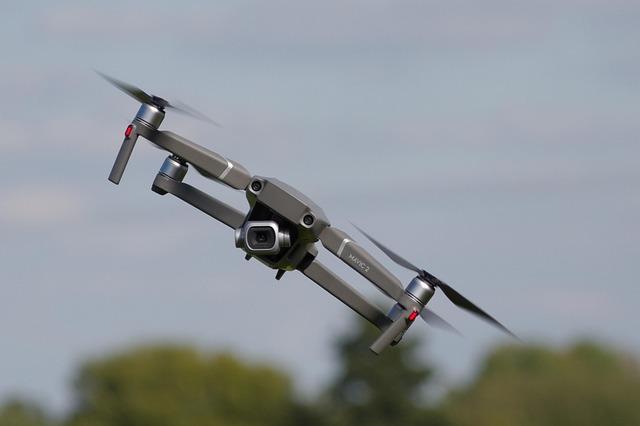
| Drone Type | Small tactical UAVs with explosive payloads |
| Duration of attack | Approximately 30 minutes |
| Casualties | Undisclosed |
| Response | Increased air surveillance and defense readiness |
Analyzing Strategic Implications of the Drone Strike on Pakistan’s Military Infrastructure
The reported deployment of 80 drones targeting the Nur Khan Air Base signals a significant escalation in aerial offensive capabilities within the South Asian theatre. This operation represents a strategic pivot towards unmanned warfare, which inherently reduces personnel risk while maximizing precision and operational reach. For Pakistan, this attack not only impacts its immediate military readiness but also challenges the traditional defensive doctrines that have long been based on manned aircraft and ground-based air defenses.
Key strategic implications include:
- Shift in air defense requirements: Increased investments in electronic warfare and counter-drone technologies are inevitable to mitigate asymmetric threats.
- Regional power balance adjustments: Enhanced drone capabilities alter the conventional deterrence calculations, compelling Pakistan to reconsider its military posture.
- Intelligence and surveillance transformation: The use of a large drone fleet implies sophisticated reconnaissance precedes strikes, raising concerns over Pakistan’s intelligence vulnerabilities.
| Aspect | Strategic Impact | Potential Response |
|---|---|---|
| Air Defense | Increased drone detection and neutralization needs | Acquire advanced radar and anti-drone systems |
| Military Doctrine | Shift towards asymmetric warfare tactics | Reorient training and operational protocols |
| Intelligence Security | Exposure to pre-emptive strikes and surveillance | Enhance cyber and signal intelligence countermeasures |
Recommendations for Enhancing Air Base Security Amid Rising Regional Drone Warfare Threats
In light of escalating drone threats, it is imperative for air bases to adopt a multi-layered security framework that integrates cutting-edge technologies with tactical countermeasures. Deploying advanced radar and radio frequency (RF) detection systems can offer real-time alerts for incoming drones, enabling rapid response teams to neutralize potential threats before they reach critical infrastructure. Additionally, strengthening physical barriers and introducing restricted drone no-fly zones supported by electronic jamming technologies can significantly reduce vulnerability. Collaboration with defense research agencies to develop customized anti-drone solutions is equally crucial.
Beyond technological safeguards, personnel training and operational protocols must evolve to address this new warfare paradigm. Essential measures include:
- Routine drone threat simulation exercises to enhance readiness
- Establishing dedicated rapid interception squads equipped with drone capture nets or disabling lasers
- Integrating AI-powered monitoring analytics to distinguish hostile from civilian drones with precision
- Regular audits of airspace surveillance efficacy and communication systems robustness
The following table outlines priority areas and recommended actions for rapid implementation at air bases vulnerable to drone-related incidents:
| Priority Area | Recommended Action | Expected Outcome |
|---|---|---|
| Detection Systems | Install RF and radar detection units | Early threat identification |
| Counter-Drone Measures | Deploy electronic jammers and interception tools | Neutralize drones before impact |
| Personnel Training | Conduct targeted simulation drills | Enhanced operational readiness |
| Policy & Protocols | Implement strict no-fly zones and rapid reporting | Improved coordination and response |
In Conclusion
The allegations made by Pakistan’s Foreign Minister regarding India’s drone strike on Nur Khan Air Base mark a significant escalation in the already tense relations between the two neighbors. As both countries continue to exchange accusations, the international community watches closely, calling for restraint and dialogue to prevent further conflict. Further investigations and official statements are awaited to clarify the circumstances and implications of the reported Operation Sindoor strike.