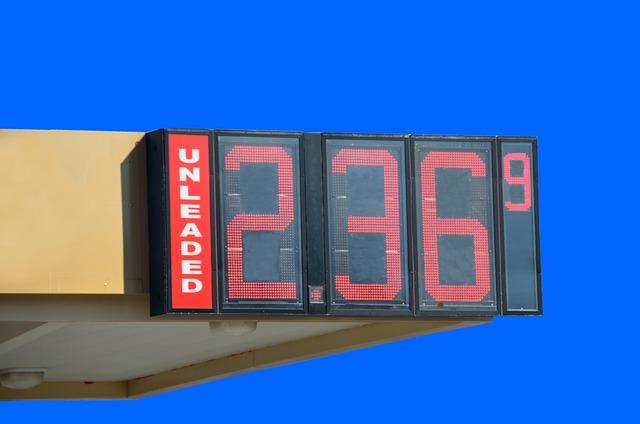
As the United States navigates a complex energy landscape marked by shifting supply dynamics, geopolitical tensions, and evolving regulatory policies, questions about the future of gasoline and diesel prices have taken center stage. Industry experts and market analysts are closely watching a variety of factors that will influence fuel costs in 2025 and 2026, from crude oil production forecasts to demand trends and technological advancements in energy efficiency. This article explores the latest projections and key drivers shaping the trajectory of U.S. gasoline and diesel prices over the next two years, offering insights critical for consumers, businesses, and policymakers alike.
Outlook on Gasoline and Diesel Price Trends in the United States Through 2026
As the U.S. moves deeper into 2024 and beyond, experts anticipate a complex interplay of global and domestic factors shaping gasoline and diesel price trajectories. Key variables include fluctuating crude oil benchmarks, OPEC+ production decisions, refinery maintenance schedules, and evolving environmental regulations. Additionally, geopolitical tensions and supply chain disruptions continue to inject uncertainty into fuel markets. Industry analysts highlight that while gasoline prices may experience seasonal spikes, diesel costs could face upward pressure due to rising demand in freight and industrial sectors.
Several trends are expected to influence fuel price dynamics through 2026:
- Increasing adoption of renewable energy potentially easing long-term gasoline demand.
- Infrastructure investments aimed at modernizing refineries might impact supply and costs.
- Government policies on emissions and fuel standards driving shifts in production costs.
- Economic growth rates influencing freight volumes, thereby affecting diesel consumption.
| Year | Average Gasoline Price (per gallon) | Average Diesel Price (per gallon) |
|---|---|---|
| 2024 | $3.80 | $4.10 |
| 2025 | $3.95 | $4.25 |
| 2026 | $4.10 | $4.40 |
Key Factors Driving Fuel Cost Fluctuations and Market Volatility
Several intertwined elements underscore the unpredictable nature of fuel pricing in the United States. Geopolitical tensions in key oil-producing regions often trigger supply disruptions, immediately reverberating through global crude markets. Additionally, shifts in production policies by OPEC+ and non-OPEC nations can dramatically tighten or loosen supplies, influencing wholesale prices. Domestically, evolving regulations on fuel standards and refinery capacities introduce another layer of complexity, often causing price disparities between gasoline and diesel. Seasonal demand fluctuations driven by driving habits and industrial consumption further amplify this volatility.
Beyond these traditional influences, emerging factors have gained prominence. The accelerating adoption of electric vehicles and advancements in biofuel technologies pose long-term pressure on fossil fuel demand forecasts, leading to uncertainty in investment decisions across the energy sector. Weather events and natural disasters, increasingly frequent due to climate change, disrupt supply chains and refining operations with immediate spikes in prices. Market speculation and hedge fund activities also contribute to speculative price swings, reflecting broader economic sentiments. Key drivers include:
- International conflict and diplomatic relations
- OPEC+ production quotas and compliance rates
- Refinery maintenance cycles and incidents
- Shifts in domestic fuel demand
- Technological disruptions in energy consumption
- Extreme weather events impacting infrastructure
- Financial market speculation
| Factor | Impact on Prices | Volatility Scale |
|---|---|---|
| OPEC+ Output Cuts | Supply Tightening | High |
| Hurricane Disruptions | Refinery Shutdowns | Medium-High |
| EV Market Penetration | Long-term Demand Reduction | Medium |
| Geopolitical Sanctions | Restricted Crude Flows | High |
The unpredictable nature of fuel pricing in the United States is influenced by a variety of dynamic and interconnected factors:
Key Factors Influencing Fuel Prices
- Geopolitical Tensions
- Conflicts and diplomatic relationships in major oil-producing regions disrupt supply chains.
- These tensions lead to rapid changes in global crude oil availability and prices.
- Impact: Often cause sharp price spikes.
- OPEC+ Production Policies
- Decisions by OPEC+ and other oil-producing countries on output levels can tighten or loosen supply.
- Compliance with quotas significantly impacts worldwide crude supply.
- Impact: High volatility, directly influencing wholesale prices.
- Domestic Regulations and Refinery Operations
- Changes in fuel standards (e.g., emissions regulations) affect refining processes and costs.
- Refinery maintenance schedules and unexpected shutdowns can reduce supply of gasoline and diesel differently, creating price disparities.
- Impact: Can cause medium to high volatility, especially during peak driving seasons or maintenance periods.
- Seasonal Demand Fluctuations
- Consumer driving habits and industrial usage vary with seasons, affecting fuel demand.
- Summer driving seasons and winter heating fuel needs contribute to demand swings.
- Impact: Moderate volatility tied to predictable seasonal cycles.
- Technological Changes
- Growth of electric vehicles (EVs) and biofuel technologies reduce long-term fossil fuel demand.
- This trend introduces uncertainty into investment and supply forecasts for traditional fuels.
- Impact: Medium volatility, longer-term influence.
- Weather and Natural Disasters
- Hurricanes, storms, and other extreme weather can damage infrastructure and disrupt refining and distribution.
- Such events cause short-term supply shortages.
- Impact: Medium-high volatility with sudden price spikes.
- Market Speculation
- Financial activities by hedge funds and market speculators can amplify price swings, sometimes disconnected from physical supply and demand fundamentals.
- Impact: Adds a layer of unpredictability and can cause rapid price fluctuations.
Summary Table of Selected Factors
| Factor | Impact on Prices | Volatility Scale |
|---|---|---|
| OPEC+ Output Cuts | Supply Tightening | High |
| Hurricane Disruptions | Refinery Shutdowns | Medium-High |
| EV Market Penetration | Long-term Demand Reduction | Medium |
| Geopolitical Sanctions | Restricted Crude Flows | High |
Conclusion
Fuel prices in the U.S. are subject to rapid and often unpredictable fluctuations due to a combination of global geopolitical events, production decisions by oil cartels, domestic refinery issues, evolving technology, climate-related events, and speculative trading. Understanding these factors can provide insight into price movements, but inherent uncertainties make precise predictions challenging.
Strategies for Consumers and Industry Stakeholders to Mitigate Rising Fuel Expenses
Consumers can take immediate action to cushion the impact of rising fuel costs by adopting smarter consumption habits and leveraging available technologies. Prioritizing fuel-efficient vehicles, utilizing public transportation, and carpooling are effective practices that reduce fuel demand at the individual level. Additionally, embracing emerging trends such as electric bikes and scooters for short distances can further decrease reliance on gasoline and diesel. Smart route planning apps that optimize travel paths and discourage unnecessary idling also contribute to lowering overall fuel expenditures.
Industry stakeholders face a more complex challenge but have several strategic options to mitigate fuel cost volatility. Investing in advanced fuel-saving technologies, such as aerodynamics and lightweight materials, can enhance fleet efficiency. Companies should also explore diversification of energy sources by integrating biofuels or hybrid powertrains into their operations. Below is a summary of key tactics for both consumers and industry players:
| Stakeholder | Mitigation Strategy | Expected Impact |
|---|---|---|
| Consumers |
|
Lower fuel bills |
| Industry |
|
Reduced operational costs |
Concluding Remarks
As the energy landscape continues to evolve amid shifting geopolitical tensions, supply chain challenges, and regulatory changes, the outlook for gasoline and diesel prices in the United States remains inherently uncertain. Experts anticipate that while technological advancements and alternative fuel adoption may exert downward pressure, factors such as global demand fluctuations and crude oil market volatility will continue to play a significant role. Stakeholders and consumers alike will closely monitor these dynamics as 2025 and 2026 approach, underscoring the need for adaptive strategies and informed policy decisions in an increasingly complex energy environment.

A data journalist who uses numbers to tell compelling narratives.
Related Posts