

Germany is accelerating its military rearmament as the war in Ukraine continues to reshape the security landscape of Europe. With Moscow’s aggression exposing vulnerabilities on the continent, Berlin is responding by boosting defense spending and expanding its armed forces. The move comes amid increasing pressure from the United States, which has called on European allies to take greater responsibility for their own security in the face of a resurgent Russia. This shift marks a significant moment in Germany’s post-World War II defense policy and signals a new era of transatlantic defense collaboration.
Germany Accelerates Military Build-Up Amid Rising Eastern European Tensions
Germany has ramped up its defense initiatives dramatically in response to escalating tensions throughout Eastern Europe, particularly triggered by the ongoing conflict in Ukraine. The nation is channeling significant resources towards modernizing its military infrastructure, increasing troop readiness, and expanding its arsenal of advanced weaponry. This strategic pivot underscores Berlin’s commitment to fortifying NATO’s eastern flank while addressing long-standing criticisms from the United States regarding Europe’s defense contributions. Key steps include:
- Allocating billions of euros for next-generation fighter jets and armored vehicles
- Boosting annual defense spending well above the 2% GDP NATO guideline
- Enhancing joint military exercises with allied forces across the Baltic region
Concurrently, Washington continues pressing European allies to share more responsibility in regional security as the U.S. seeks to recalibrate its global military footprint. Germany’s accelerated rearmament reflects both a response to immediate threats and a strategic recalibration within the broader transatlantic alliance. Below is a brief overview comparing Germany’s defense budget before and after the recent escalation:
| Year | Defense Budget (Billion €) | Percentage of GDP |
|---|---|---|
| 2021 | 50 | 1.4% |
| 2023 | 80 | 2.6% |
U S Urges European Allies to Increase Defense Contributions and Burden Sharing
As Moscow’s aggression continues to destabilize Eastern Europe, Washington has intensified calls for its European allies to enhance their military spending and share greater responsibilities in regional defense. U.S. officials emphasize that the evolving security landscape demands a more robust and unified NATO presence, urging countries to meet the 2% GDP defense spending target. This push comes amid growing concerns over Europe’s reliance on American military support, with the Biden administration highlighting that sustainable security is a collective endeavor requiring tangible commitments from all member states.
Germany, traditionally cautious about military expansion, has responded by significantly increasing its defense budget and accelerating the procurement of advanced weaponry. Berlin’s move underscores a broader trend across Europe, where nations are recalibrating their defense strategies to counter potential threats. The U.S. administration has spotlighted key areas where European investments are needed most, including:
- Modernization of armed forces with cutting-edge technology
- Improved logistical capabilities for rapid troop deployment
- Strengthening cyber defense against emerging warfare tactics
- Enhanced intelligence sharing among NATO members
| Country | 2023 Defense Spending (% GDP) | 2025 Target (% GDP) |
|---|---|---|
| Germany | 1.7% | 2.5% |
| France | 2.1% | 2.2% |
| Poland | 2.4% | 2.5% |
| Italy | 1.55% | 2.0% |
Experts Recommend Strengthening NATO Integration and Enhancing Rapid Response Capabilities
In light of escalating tensions in Eastern Europe, defense experts urge member nations to deepen NATO integration to ensure collective security remains robust and adaptive. Enhancing interoperability among allied forces is seen as critical, with particular emphasis on streamlining command structures and increasing joint training exercises. These steps aim to solidify a unified front capable of responding swiftly to any emerging threats without bureaucratic delays.
Key recommendations include:
- Expanding rapid deployment units across frontline states
- Accelerating procurement of advanced military technology for quick mobilization
- Increasing joint intelligence sharing and real-time communication channels
| NATO Capability | Current Status | Recommended Upgrade |
|---|---|---|
| Rapid Deployment Forces | Limited regional bases | Establish multiple staging hubs |
| Joint Command Structure | Fragmented lines of authority | Unified, streamlined command |
| Communication Systems | Inconsistent interoperability | Standardize encrypted real-time links |
| NATO Capability | Current Status | Recommended Upgrade |
|---|---|---|
| Rapid Deployment Forces | Limited regional bases | Establish multiple staging hubs |
| Joint Command Structure | Fragmented lines of authority | Unified, streamlined command |
| Communication Systems | In Retrospect
As the conflict in Ukraine continues to intensify, Germany’s move to significantly bolster its military capabilities marks a pivotal shift in European defense policy. With increased pressure from the United States for Europe to take greater responsibility in regional security, Germany’s rearmament signals a new era of strategic commitment amid mounting geopolitical tensions. The coming months will be critical in assessing how this transformation shapes the balance of power and collective security efforts in the face of ongoing challenges on the continent. 
Sophia Davis
A cultural critic with a keen eye for social trends. Related Posts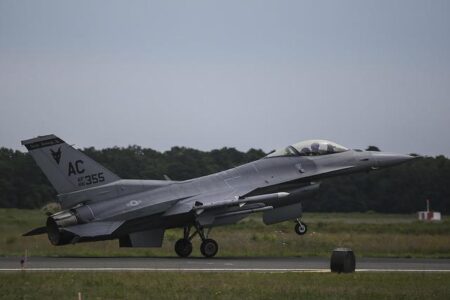


|