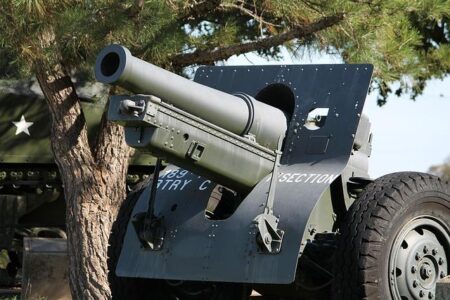

China’s President Xi Jinping has declared the reunification of Taiwan with the mainland “unstoppable,” amid escalating military activities around the island. In a show of force underscoring Beijing’s resolve, Chinese armed forces have expanded their drills both in scale and in strategic deployment, intensifying regional tensions. This latest development comes as Taiwan remains steadfast in its defense posture, raising concerns among international observers about the potential for heightened conflict in the Taiwan Strait.
China’s President Xi Jinping Declares Taiwan Reunification Unstoppable Signaling Heightened Political Resolve
President Xi Jinping’s recent declaration underscores an unwavering commitment from Beijing toward Taiwan’s reunification. This rhetoric is matched by a conspicuous increase in military activities surrounding the island, signaling a clear message of political resolve and strategic intent. The People’s Liberation Army (PLA) has dramatically expanded its drills, incorporating a wider array of forces and intensifying the scope of operations. These exercises include aerial maneuvers, naval blockades, and live-fire practices, designed to demonstrate readiness for any contingency and reinforce China’s claims over Taiwan.
Beyond the heightened military presence, Beijing’s strategic posture includes a combination of diplomatic pressure and economic incentives aimed at eroding Taiwan’s international support. Analysts emphasize that this multi-pronged approach is aimed not only at deterring Taiwan’s independence movement but also at discouraging foreign intervention. Below is a summary of the recent military deployments observed in the Taiwan Strait region:
| Unit Deployed | Type of Operation | Estimated Frequency |
|---|---|---|
| PLA Air Force | Air patrols and reconnaissance | Daily |
| PLA Navy | Naval blockades and missile drills | 3-4 times weekly |
| PLA Rocket Forces | Live-fire exercises | Biweekly |
- Expanded territorial scope: Military drills now cover larger maritime zones around Taiwan.
- Expanded territorial scope: Military drills now cover larger maritime zones around Taiwan.
- Integrated joint operations: Coordinated exercises involving air, naval, and missile units to enhance combat readiness.
- Increased operational tempo: Higher frequency of missions designed to maintain constant pressure on Taiwan’s defenses.
- Targeted psychological operations: Use of media and electronic warfare to influence public opinion and morale in Taiwan.
- Diplomatic and economic measures: Parallel efforts to isolate Taiwan internationally and undermine its economic stability.
- Encouraging constructive diplomacy through back-channel talks and multilateral summits.
- Supporting confidence-building measures, such as joint military transparency exercises and communication hotlines.
- Maintaining freedom of navigation in the Taiwan Strait while discouraging provocative military posturing.
- Monitoring economic interdependencies to prevent spillover effects that could destabilize regional markets.
Certainly! Here’s a continuation of the list based on the context provided:
If you’d like, I can also help summarize or expand on any specific part of the text!
Expanded Military Drills Surround Taiwan Escalate Regional Tensions and Demonstrate Strategic Capabilities
Recommendations for International Stakeholders to Navigate Rising Cross Straits Crisis and Maintain Stability
In light of escalating military activity and heightened rhetoric surrounding the Taiwan Strait, international stakeholders must adopt a strategic approach centered on diplomacy, transparency, and conflict prevention. Prioritizing open communication channels between involved parties can reduce misunderstandings and accidental confrontations. Additionally, multilateral forums should be leveraged to encourage dialogue that respects the existing status quo and seeks peaceful solutions, avoiding any unilateral moves that may exacerbate tensions.
Equally important is the reinforcement of regional security frameworks, with key players enhancing intelligence-sharing and joint contingency planning. International actors should also focus on humanitarian readiness and economic stability efforts to mitigate the impact of any crisis escalation. Suggested pathways forward include:
| Stakeholder | Primary Role | Recommended Action |
|---|---|---|
| United States | Security Partner | Reaffirm commitment to peaceful resolution & regional stability. |
| European Union | Economic and Diplomatic Actor | Advocate for multilateral dialogue and support economic stability initiatives. |
| China | Primary Regional Actor | Engage in transparent communication and avoid escalatory military actions. |
| Taiwan | Self-Governing Entity | Increase confidence-building measures and foster dialogue with regional neighbors. |
| ASEAN States | Regional Stabilizers | Promote peaceful negotiation platforms and enhance regional security cooperation. |
To Conclude
As tensions continue to mount amid President Xi Jinping’s declaration that Taiwan reunification is “unstoppable,” the expanding scope of military drills around the island underscores the growing volatility in the region. Observers will be closely monitoring how these developments influence cross-strait relations and the broader geopolitical landscape in the Asia-Pacific. The international community remains attentive to China’s next moves, amid calls for restraint and dialogue to prevent further escalation.