
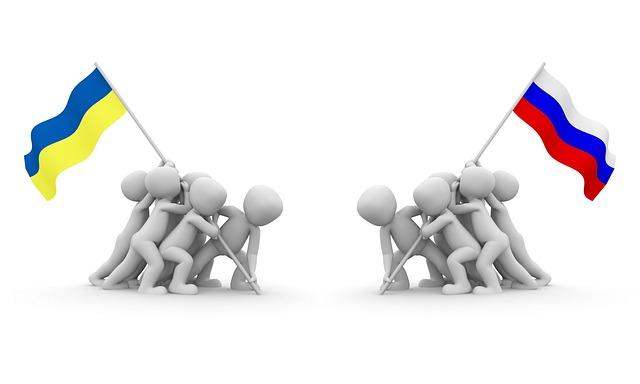
As the conflict between Russia and Ukraine continues to dominate global headlines, a new front has emerged in Washington: the battle to influence former President Donald Trump’s perspective on the war. According to a recent report by The New York Times, both Moscow and Kyiv are actively seeking to shape Trump’s views, recognizing his enduring sway over segments of the American electorate and Republican Party. This strategic effort underscores the complex interplay of international diplomacy, domestic politics, and media narratives as key players aim to steer not only policy debates but also public opinion ahead of upcoming elections.
Russia and Ukraine Engage in Strategic Messaging to Influence Trump’s Perception
Both Russia and Ukraine have been actively engaging in targeted communication efforts aimed at influencing former President Donald Trump’s perspective on the ongoing conflict. Utilizing tailored narratives, each side seeks to capitalize on Trump’s unique political outlook and media preferences. Russian operatives emphasize themes of national sovereignty and Western overreach, portraying the conflict as a defensive measure, while Ukrainian representatives frame the war in terms of democratic resistance and humanitarian crisis, appealing to Trump’s past rhetoric on law, order, and America’s global image.
Key strategies employed include:
- Leveraging social media platforms favored by Trump’s inner circle to disseminate selective information
- Engaging intermediaries close to Trump to amplify pro-Russian or pro-Ukrainian talking points
- Curating messages that resonate with Trump’s views on economic benefits and geopolitical influence
| Strategy | Russian Messaging | Ukrainian Messaging |
|---|---|---|
| Social Media | Highlight sovereignty and Western aggression | Showcase resilience and defense of democracy |
| Interpersonal Channels | Use trusted intermediaries close to Trump | Engage pro-Ukrainian influencers in Trump’s network |
| Thematic Focus | Economic disruption as Western sanction backlash | Humanitarian crises and global security risks |
The Role of Media and Intelligence in Shaping U.S. Opinions on the Conflict
Media outlets and intelligence reports have become battlegrounds in the effort to influence former President Trump’s perspective on the Russia-Ukraine conflict. Both Russian and Ukrainian officials have launched sophisticated information campaigns targeting American news consumption, hoping to sway not only public opinion but also the views of key political figures. Russian narratives often emphasize claims of Ukrainian aggression and NATO provocation, while Ukrainian sources highlight civilian casualties and appeals for continued U.S. support.
Within the U.S., intelligence briefings and media presentations are selectively framed to reinforce existing biases. Trusted news sources and informal networks play a critical role in this information ecosystem. A breakdown of principal tactics used includes:
- Disinformation campaigns disguised as grassroots reporting
- Leaked intelligence strategically timed to create skepticism or bolster narratives
- Opinion pieces and expert analyses that feed political alignments
| Aspect | Russian Approach | Ukrainian Approach |
|---|---|---|
| Media Strategy | Amplify doubt about NATO’s role | Showcase civilian resilience and suffering |
| Target Audience | Conservative-leaning platforms | Democratic and international allies |
| Use of Intelligence | Selective leaks to question U.S. motives | Verified evidence to rally support |
Recommendations for Navigating Disinformation and Promoting Balanced Reporting
In an era where information warfare shapes not only public opinion but also geopolitical strategies, critical evaluation of media sources has become indispensable. To effectively navigate conflicting narratives, readers should prioritize cross-referencing reports from multiple independent outlets and remain vigilant of sensational or emotionally charged language intended to provoke bias. Fact-checking platforms and open access to primary documents or official statements serve as valuable tools in discerning underlying truths amid competing claims.
Promoting balanced reporting requires conscious efforts from both consumers and producers of news. Journalists covering complex conflicts must commit to transparency regarding sources and acknowledge potential biases, striving for context over sensationalism. Meanwhile, individuals can support integrity in media by:
- Engaging with diverse viewpoints to challenge echo chambers
- Supporting media organizations that demonstrate rigorous editorial standards
- Demanding accountability through public discourse and social platforms
| Source Type | Key Benefit |
|---|---|
| Independent News Outlets | Reduced Political Influence |
| Primary Documents | Direct Evidence |
| Fact-Checking Services | Verification Support |
Final Thoughts
As the conflict between Russia and Ukraine continues to evolve on the battlefield, the struggle to influence former President Donald Trump’s perspective remains a critical front in the war of narratives. Both Moscow and Kyiv recognize the outsized impact of Trump’s views on American foreign policy and public opinion, making their efforts to sway him a strategic priority. Understanding this intricate interplay offers key insight into the broader geopolitical stakes at play, highlighting how information and influence shape not just public discourse, but potentially the course of the conflict itself.