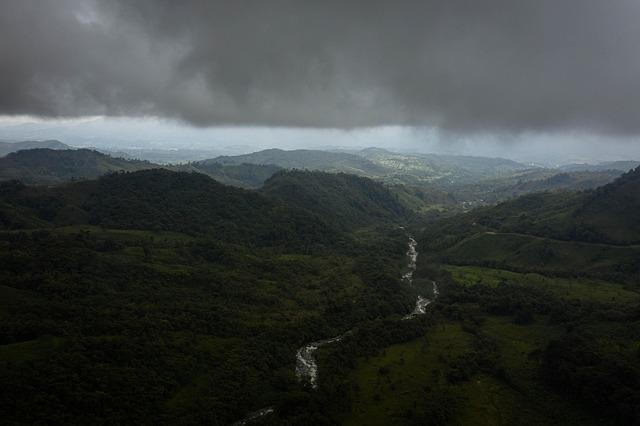
Just days after the conclusion of COP30, Brazil has taken a controversial step by weakening protections for the Amazon rainforest, raising alarm among environmentalists and international observers. The move, reported by Inside Climate News, signals a shift in the country’s approach to forest conservation amid mounting global pressure to curb deforestation and combat climate change. This development threatens to undermine recent progress made in safeguarding one of the world’s most vital carbon sinks and biodiversity hotspots.
Brazil Eases Environmental Protections in Amazon Following COP30 Commitments
In a surprising turn shortly after the global climate summit, Brazil announced regulatory changes that significantly diminish protections for the Amazon rainforest. The new measures relax restrictions on deforestation and open up previously protected areas to commercial activities including mining and agriculture. Environmental groups condemned the move, arguing it undermines Brazil’s promises made at COP30 to combat climate change and preserve biodiversity. Critics underscore that such loosening could accelerate habitat destruction, threatening countless endangered species and disrupting vital carbon sinks critical for global temperature regulation.
Key aspects of the policy shift include:
- Reduction in the size of protected conservation zones by up to 15%
- Streamlined licensing processes for extractive industries
- Increased allowances for indigenous land concessions to commercial endeavors
| Aspect | Previous Regulation | New Regulation | |||||||||||||||||||||||||||||||||||||||
|---|---|---|---|---|---|---|---|---|---|---|---|---|---|---|---|---|---|---|---|---|---|---|---|---|---|---|---|---|---|---|---|---|---|---|---|---|---|---|---|---|---|
| Protected Area Coverage | 100% of designated zones | Reduced by 15% | |||||||||||||||||||||||||||||||||||||||
| Deforestation Permits | Strictly limited and monitored | Eased with faster approvals | |||||||||||||||||||||||||||||||||||||||
| Indigenous Land Use | Mostly protected from commercial exploitation | New provisions allow commercial activity |
| Aspect | Previous Regulation | New Regulation |
|---|---|---|
| Protected Area Coverage | 100% of designated zones protected | Reduced by 15% |
| Deforestation Permits | Strictly limited and monitored | Eased with faster approvals |
| Indigenous Land Use | Mostly protected from commercial exploitation | New provisions allow commercial activity |
If you would like, I can help draft a formal critique, a policy brief, or suggest alternative sustainable policy recommendations related to this development. Just let me know!
Impact of Policy Changes on Deforestation Rates and Indigenous Communities
In the wake of COP30, new legislative measures have significantly diluted protections for the Amazon rainforest, prompting widespread concern among environmentalists and indigenous groups alike. These policy adjustments have led to an alarming uptick in deforestation rates, as restrictions on land clearing and illegal logging have been relaxed. Satellite data reveals that in just three months post-policy shift, deforestation outpaced the previous year by nearly 40%, signaling a rapid erosion of the Amazon’s fragile ecosystem.
Indigenous communities, long regarded as stewards of the forest, are now facing intensified threats. The rollback of safeguards has emboldened illegal miners and loggers to encroach upon native territories, undermining the sovereignty and traditional ways of life of these groups. Reports indicate an increase in violent confrontations and displacement incidents, as enforcement of indigenous land rights weakens under the new framework.
- Deforestation Increase: 38% rise in forest loss since policy change
- Illegal Activities: Surge in unauthorized mining and logging within indigenous lands
- Community Impact: Heightened displacement and threats to cultural heritage
| Month | Deforestation Area (sq km) | Reported Incidents in Indigenous Areas |
|---|---|---|
| November | 820 | 15 |
| December | 1,120 | 22 |
| January | 1,350 | 30 |
Expert Recommendations Urge Strengthening Enforcement and International Oversight
Global experts warn that Brazil’s recent rollback of Amazon protections undermines international climate commitments and demands urgent corrective measures. Analysts emphasize that without robust enforcement mechanisms, deforestation rates will continue to outpace conservation efforts, threatening biodiversity and accelerating climate change. Calls are mounting for increased transparency, stricter penalties for illegal logging, and enhanced support for Indigenous communities who serve as frontline guardians of the forest.
To address these challenges, specialists advocate for stronger multilateral oversight involving both governmental and non-governmental organizations. Suggested steps include:
- Establishing an independent international monitoring body to track deforestation activities in real time.
- Implementing standardized reporting frameworks to ensure accountability across borders.
- Leveraging satellite technology and AI-powered analytics for rapid intervention.
- Promoting sustainable economic alternatives that incentivize forest preservation.
| Recommendation | Expected Impact | Timeline |
|---|---|---|
| International monitoring body | Improved enforcement transparency | 12-18 months |
| Standardized reporting framework | Cross-border accountability | 6-12 months |
| AI-powered deforestation tracking | Faster detection and response | Immediate to 6 months |
| Sustainable economic incentives | Reduced forest exploitation | Ongoing |
To Wrap It Up
As the global community reflects on the commitments made at COP30, Brazil’s recent moves to roll back protections for the Amazon raise critical questions about the nation’s dedication to combating climate change and preserving one of the world’s most vital ecosystems. The weakening of safeguards comes at a pivotal moment when international pressure to address deforestation and environmental degradation is at an all-time high. Observers and environmental advocates alike will be closely monitoring Brazil’s next steps, underscoring the complex balance between economic interests and ecological responsibility on the world stage.

A journalism icon known for his courage and integrity.
Related Posts