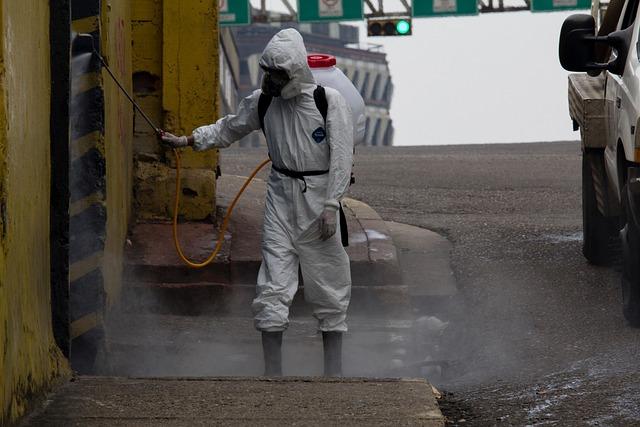
The recent raid in Venezuela has drawn global attention, but its implications extend far beyond South America’s borders. For Australia, a nation geographically distant yet economically and politically interconnected, the events unfolding in Caracas carry significant consequences. In this article, the Lowy Institute explores why the Venezuela raid matters to Australia, examining its impact on regional stability, international security, and Australia’s diplomatic and trade interests. As geopolitical tensions intensify, understanding these links becomes essential for comprehending Australia’s role on the world stage.
Venezuela Raid Signals Growing Geopolitical Risks for Australia
The recent operation in Venezuela underscores a rapidly shifting global landscape where regional conflicts increasingly ripple across continents, posing challenges to middle powers like Australia. This unexpected escalation highlights the need for Canberra to reassess its strategic posture, particularly as geopolitical fault lines intensify between global powers and regional actors. Australia’s traditional focus on the Indo-Pacific now must consider the broader ramifications of instability in Latin America, especially given Australia’s economic and diplomatic ties that intertwine with the region through trade, investment, and multilateral forums.
Key considerations for Australia moving forward include:
- Enhanced intelligence cooperation to monitor non-traditional security threats emerging from distant geopolitical flashpoints.
- Bolstering diplomatic channels to mitigate risks of being inadvertently entangled in extraterritorial conflicts.
- Reviewing defence readiness in light of potential disruptions to global supply chains impacted by regional instability.
| Aspect | Potential Impact on Australia |
|---|---|
| Trade Routes | Disruptions to supply chains affecting resource exports |
| Diplomatic Relations | Pressure to balance ties between Western allies and Latin American states |
| Security Partnerships | Opportunities for new multilateral cooperation against transnational threats |
Implications for Australian Security and Regional Stability
The recent Venezuela raid underscores the intricate web of global security challenges that ripple far beyond Latin America, directly affecting Australia’s strategic interests in the Indo-Pacific. As illicit networks exploit regional instability to expand their reach, Australia faces the increasing risk of cross-border criminal activities, including narcotics trafficking and arms smuggling, which can undermine domestic security. The operation highlights how transnational threats necessitate a proactive Australian engagement, not only through intelligence sharing but also by fortifying partnerships that monitor emerging flashpoints.
Moreover, the raid serves as a cautionary tale about the fragility of regional geopolitical balances. With major powers vying for influence and regional actors navigating complex allegiances, Australia’s commitment to a stable, rules-based order is more critical than ever. Key ramifications for Canberra include:
- Strengthening maritime surveillance to detect illicit movements along vital trade routes.
- Enhancing alliance frameworks with South American and Pacific nations for mutual intelligence and security operations.
- Investing in cybersecurity to counter hybrid threats linked to destabilising tactics similar to those observed in Venezuela.
| Area of Impact | Australian Security Response |
|---|---|
| Drug and arms smuggling | Increase joint patrols & intelligence-sharing |
| Cyber threats linked to political instability | Expand cybersecurity infrastructure and alliances |
| Geopolitical rivalries in regional waters | Bolster diplomatic engagement & multilateral security forums |
The analysis of the Venezuela raid highlights several key implications for Australia’s security posture in the Indo-Pacific region:
- Transnational Criminal Networks:
Illicit activities such as narcotics trafficking and arms smuggling originating or expanding through Latin America have potential spillover effects that reach Australia. This necessitates enhanced vigilance and cooperation to detect and disrupt these cross-border criminal flows before they impact domestic security.
- Geopolitical Stability and Alliances:
The fragility of regional geopolitical balances, exacerbated by major powers competing for influence, underscores the importance of Australia’s role in supporting a stable, rules-based international order. Strengthened alliances with South American and Pacific nations enhance collective security efforts and intelligence sharing to preempt emerging threats.
- Maritime Surveillance:
Vital trade routes passing through the Indo-Pacific region require continual monitoring to identify illegal movements, which can destabilize regional security and economic interests. Increasing capabilities in maritime surveillance aligns with protecting these critical supply chains.
- Cybersecurity Preparedness:
The raid points to the use of hybrid tactics, including cyber threats linked to political instability, as part of multifaceted destabilization efforts. Australia must invest in expanding its cybersecurity infrastructure and deepen cooperation with allies to defend against these evolving digital threats.
Summary of Recommended Australian Security Responses:
| Area of Impact | Australian Security Response |
|---|---|
| Drug and arms smuggling | Increase joint patrols & intelligence-sharing |
| Cyber threats linked to political instability | Expand cybersecurity infrastructure and alliances |
| Geopolitical rivalries in regional waters | Bolster diplomatic engagement & multilateral security forums |
In essence, the Venezuela raid serves as a reminder that Australia’s security environment is interconnected with global developments. A proactive, collaborative approach involving surveillance, diplomatic engagement, and cybersecurity resilience is crucial for safeguarding national and regional stability.
Strategic Recommendations for Australia’s Diplomatic and Defence Posture
Australia must recalibrate its diplomatic and defense strategies in response to the increasingly complex geopolitical landscape highlighted by the Venezuela raid. Enhancing intelligence-sharing arrangements with key allies in the Indo-Pacific and beyond is crucial to preempt and respond to transnational threats. This includes expanding cooperative frameworks with the United States, ASEAN partners, and regional powers to monitor destabilizing activities that could impact Australia’s national security interests.
Additionally, Australia should prioritize the development of a more agile defense posture, integrating emerging technologies and rapid deployment capabilities. Strengthening maritime surveillance, cyber defense, and special operations forces will enable Australia to project resilience across vast and contested spaces. The following table outlines essential components for a future-ready defense framework:
| Strategic Focus | Key Actions | Expected Outcome |
|---|---|---|
| Intelligence Cooperation | Expand regional partnerships & data exchange | Enhanced early warning capability |
| Technology Integration | Invest in AI & unmanned systems | Faster operational response |
| Rapid Deployment | Enhance special forces & logistics | Improved crisis reaction speed |
Insights and Conclusions
The Venezuela raid underscores the increasingly complex geopolitical landscape that Australia must navigate. As global power dynamics shift and alliances are tested, Canberra’s vigilance and strategic engagement will be crucial in safeguarding national interests. Understanding the implications of such events beyond immediate borders is essential for shaping informed foreign policy decisions. The Lowy Institute’s analysis provides a timely reminder that global developments, however distant, can have significant repercussions for Australia’s security and diplomatic posture.

A war correspondent who bravely reports from the front lines.
Related Posts