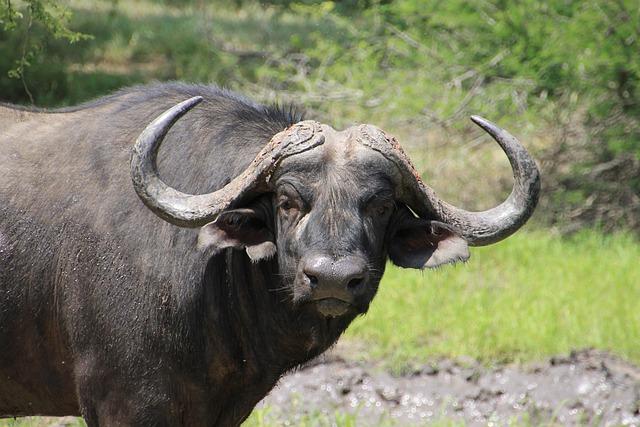
Wood Buffalo National Park, managed by Parks Canada, stands as one of the largest and most ecologically significant protected areas in North America. Spanning over 44,800 square kilometers across northern Alberta and the southern Northwest Territories, the park is renowned for its vast boreal forests, expansive wetlands, and diverse wildlife populations, including the world’s largest herd of free-roaming wood bison. Established in 1922, Wood Buffalo National Park plays a critical role in conservation efforts, indigenous heritage preservation, and scientific research, making it a vital landmark in Canada’s commitment to protecting natural and cultural resources. As visitation increases, Parks Canada continues to balance public access with the protection of this unique and fragile ecosystem.
Exploring the Vast Wilderness of Wood Buffalo National Park
Spanning over 44,000 square kilometers, this park holds the prestigious title of being Canada’s largest national park and one of the world’s most significant natural preserves. Visitors venture into an untamed landscape where sprawling boreal forests, expansive salt plains, and winding rivers converge to create a haven for diverse wildlife. Among its most notable residents are the wood bison, North America’s heaviest land animal, and the endangered whooping crane-making the park a critical sanctuary for species conservation.
Beyond wildlife watching, the park offers an array of activities that invite exploration and discovery:
- Guided canoe trips along the Peace-Athabasca Delta, one of the world’s largest freshwater deltas.
- Light hiking trails that weave through dense forests and open plains, revealing the park’s unique ecology.
- Stargazing opportunities under some of the darkest skies in Canada, ideal for astronomy enthusiasts.
| Feature | Highlight | Visitor Tip |
|---|---|---|
| Wildlife | Largest herd of wood bison | Best viewed at dawn or dusk |
| Landscape | Peace-Athabasca Delta | Bring waterproof gear for canoeing |
| Accessibility | Seasonal access only | Check weather forecasts before visiting |
Wildlife Watching Tips for an Unforgettable Experience
To truly capture the essence of Wood Buffalo National Park, patience and preparation are key. Opt for early mornings or late afternoons when animals such as wood bison and elk are most active. Wearing muted colors and maintaining silence can help you blend into the surroundings, minimizing disturbance to wildlife. Always maintain a safe distance and use binoculars or telephoto lenses for observation – close encounters can be startling and potentially dangerous for both you and the animals.
Planning your visit around seasonal behaviors amplifies your chances of witnessing unique wildlife interactions. For example, springtime brings migratory birds in spectacular numbers, while late summer offers sightings of playful beaver families. A quick reference table below highlights peak wildlife activity periods to enhance your schedule:
| Season | Featured Wildlife | Best Viewing Tips |
|---|---|---|
| Spring | Bird Migration | Use bird calls apps; visit wetlands |
| Summer | Beavers & Moose | Explore near waterways at dawn |
| Fall | Elk Rutting | Stay quiet, watch from ridges |
| Winter | Wolf Tracks | Look for prints; use thermal scopes |
Best Times and Trails to Discover the Park’s Unique Ecosystems
Exploring Wood Buffalo National Park during the months of June through September offers visitors prime opportunities to witness the park’s diverse ecosystems at their most active. Early summer brings blooming wildflowers that carpet the prairies, attracting pollinators and creating vivid landscapes perfect for photography and birdwatching. Autumn’s crisp air and shifting foliage transform the boreal forests into a mosaic of golds and reds, while wildlife activity increases as animals prepare for winter. These seasons also provide ideal weather conditions for hiking, canoeing, and guided eco-tours across the park’s vast wetlands and mixed woodlands.
When selecting trails, visitors should consider the unique habitats each path traverses. The Salt Plains Trail gives unparalleled views of saline wetlands and rare plant species, while the Birch Creek Loop meanders through dense forest, offering glimpses of moose and migratory birds. For an immersive aquatic experience, the Firehole Trail follows the edge of slow-moving rivers, showcasing beaver lodges and aquatic flora. Below is a handy guide to help visitors choose trails based on desired ecosystem encounters:
| Trail Name | Key Ecosystem | Best Season | Wildlife Highlights |
|---|---|---|---|
| Salt Plains Trail | Saline Wetlands | Summer | Shorebirds, rare orchids |
| Birch Creek Loop | Boreal Forest | Late Summer/Autumn | Moose, songbirds |
| Firehole Trail | Riparian Zones | Summer | Beavers, waterfowl |
Closing Remarks
As one of Canada’s largest and most diverse national parks, Wood Buffalo National Park continues to play a crucial role in preserving unique ecosystems and endangered species. Managed by Parks Canada, the park offers a rare glimpse into untouched wilderness, rich Indigenous heritage, and critical habitats such as the nesting grounds of the whooping crane. For visitors and conservationists alike, Wood Buffalo stands as a testament to Canada’s commitment to environmental stewardship and cultural preservation. Ongoing efforts to balance public access with protection ensure that this natural treasure will endure for future generations to explore and appreciate.