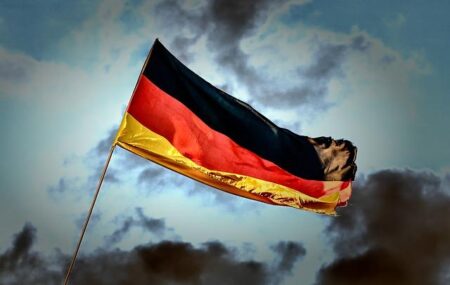
Germany continues to stand out within the European Union for its notably low alcohol prices, a recent report by dw.com reveals. Compared to the EU average, beverages such as beer, wine, and spirits remain significantly more affordable for German consumers, reflecting a unique market dynamic influenced by taxation policies, production costs, and cultural factors. This pricing disparity raises questions about consumption patterns, public health implications, and economic impacts across member states.
Germany alcohol prices remain significantly lower than European counterparts
When comparing the cost of alcoholic beverages across Europe, Germany consistently stands out for its notably affordable prices. Consumers in Germany enjoy significantly lower costs for beer, wine, and spirits compared to many neighboring countries. This pricing disparity is often attributed to a combination of factors, including lower taxes on alcohol, competitive retail markets, and a deeply rooted beer culture that encourages mass production and distribution. For instance, while a standard bottle of wine might cost upwards of €8 in countries like France or Italy, German alternatives frequently retail closer to €4 to €5.
Price comparison highlights across selected European countries:
- Germany: €0.70 per liter of beer on average
- France: €1.20 per liter
- Sweden: €1.50 per liter
- Netherlands: €1.00 per liter
| Country | Average Cost (€) | Tax Rate on Alcohol (%) |
|---|---|---|
| Germany | 4.50 (wine bottle) | 19 |
| France | 8.20 (wine bottle) | 45 |
| Sweden | 9.00 (wine bottle) | 62 |
This affordability has made Germany a popular destination not only for locals but also for tourists looking to enjoy quality drinks at a reasonable cost. Industry experts suggest that these lower prices could also influence consumption patterns, making Germany an outlier in terms of alcohol affordability within the European Union. The country’s regulatory approach combined with a strong brewing heritage continues to keep alcohol prices well below the EU average.
Impact of affordable alcohol on public health and consumption patterns in Germany
In Germany, the relatively low price of alcoholic beverages compared to the EU average has long shaped drinking habits and public health outcomes. With beer and spirits more affordable, especially in supermarkets and discount stores, consumption becomes accessible to a broader demographic, including younger and lower-income groups. This affordability is a double-edged sword: while it supports cultural traditions and local industries, it also correlates with increased alcohol intake per capita. Studies indicate a higher prevalence of binge drinking and alcohol-related health complications, such as liver disease and cardiovascular issues, which place a growing strain on the national healthcare system.
Key factors influenced by affordable alcohol prices include:
- Early initiation of drinking among adolescents
- Higher frequency of weekend binge drinking
- Greater number of hospital admissions related to alcohol poisoning
- Socioeconomic disparities in alcohol-related harm
| Metric | Germany | EU Average |
|---|---|---|
| Average price per liter of beer (€) | 1.20 | 1.75 |
| Annual alcohol consumption per capita (liters) | 11.8 | 9.6 |
| Alcohol-related hospitalizations (per 100,000) | 310 | 255 |
Policy recommendations for aligning German alcohol pricing with EU standards
To bridge the gap between Germany’s notably low alcohol prices and the higher rates prevalent across the European Union, strategic policy adjustments are essential. Implementing a tiered excise tax system that reflects both alcohol volume and strength could serve as a fair mechanism to increase prices incrementally without abrupt market disruptions. Authorities might also consider aligning minimum pricing laws with EU benchmarks to ensure consistent public health outcomes while maintaining economic competitiveness.
Additional measures should include enhanced monitoring of cross-border alcohol trade and tighter regulation on discount promotions that undermine pricing objectives. Public awareness campaigns linked to pricing reforms can reinforce responsible consumption behaviors. The following table outlines potential policy tools alongside their expected impacts on Germany’s alcohol market:
| Policy Tool | Expected Impact |
|---|---|
| Tiered Excise Taxes | Gradual price increase; targets high-strength products |
| Minimum Unit Pricing | Sets baseline price; curtails ultra-cheap alcohol sales |
| Stricter Promotion Controls | Limits discounting; preserves intended price levels |
| Cross-Border Trade Monitoring | Reduces loopholes; supports enforcement of pricing policies |
To Conclude
In summary, Germany’s comparatively low alcohol prices stand out within the European Union, influencing consumer behavior and market dynamics across the region. As policymakers continue to debate taxation and regulatory approaches, the country’s pricing model remains a focal point in discussions about public health, economic interests, and cross-border trade. Observers will be watching closely to see how these factors evolve amid changing social attitudes and legislative priorities.