
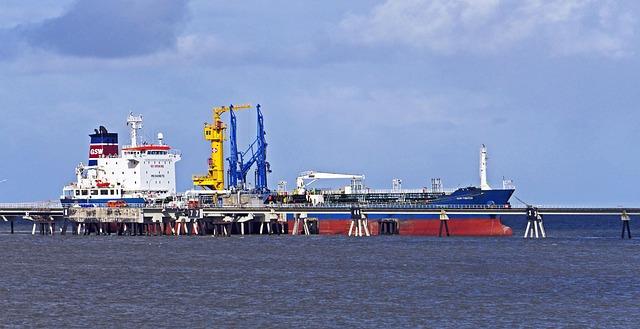
Russia has issued a series of demands following the recent seizure of a Russian-flagged oil tanker allegedly linked to Venezuela by United States authorities. The move has escalated tensions between Moscow and Washington, with Russia condemning the action as a violation of international law and calling for the immediate release of the vessel. This latest development adds a new layer of complexity to the already strained relations between the two countries amid ongoing geopolitical disputes.
Russia Issues Firm Demands Following US Seizure of Russian-Flagged Oil Tanker Linked to Venezuela
Russia has vehemently denounced the recent U.S. action involving the seizure of a Russian-flagged oil tanker, alleging that the move is a blatant violation of international maritime law. The Kremlin’s spokesperson emphasized that this operation undermines sovereign rights and disrupts legitimate trade activities, particularly those linked to Venezuela, a country facing severe economic challenges due to sanctions. Moscow has formally submitted a list of demands urging Washington to return the vessel promptly and cease further hostile acts against Russian maritime assets.
In their official response, Russian authorities outlined key points seeking redress and clarification:
- Immediate release of the detained oil tanker and its crew
- A formal apology from the U.S. government for breach of international norms
- Assurances against recurrence of such unilateral seizures
- Engagement in diplomatic talks to resolve the broader issue of sanctions impacting energy exports
Meanwhile, Moscow hinted that failure to address these demands might escalate tensions further, with potential repercussions across various sectors of U.S.-Russia relations.
| Aspect | Russian Demand | |||||||||||||||||||||||||||||||
|---|---|---|---|---|---|---|---|---|---|---|---|---|---|---|---|---|---|---|---|---|---|---|---|---|---|---|---|---|---|---|---|---|
| Seized Vessel | Immediate Return | |||||||||||||||||||||||||||||||
| Diplomatic Relations | Formal Apology & Dialogue | |||||||||||||||||||||||||||||||
| Future Guarantees | No Further Hostilities |
| Aspect | Russian Demand | |||||||||||||||||||||||
|---|---|---|---|---|---|---|---|---|---|---|---|---|---|---|---|---|---|---|---|---|---|---|---|---|
| Seized Vessel | Immediate Return | |||||||||||||||||||||||
| Diplomatic Relations | Formal Apology & Dialogue | |||||||||||||||||||||||
Future Guarante
Analyzing the Geopolitical Implications of the US Action on Russia Venezuela RelationsThe US seizure of a Russian-flagged oil tanker linked to Venezuela marks a significant escalation in Washington’s approach towards Moscow and Caracas, further complicating the geopolitical chessboard. This action not only intensifies tensions between the US and Russia but also underscores the growing stakes involved in Venezuela’s oil sector, a critical leverage point for both countries. Analysts suggest that Washington’s move aims to tighten the economic noose on both Russia, under heavy sanctions due to its Ukraine aggression, and Venezuela, already isolated for its authoritarian governance. As a result, diplomatic relations have become increasingly fragile, with Moscow demanding immediate reparations and changes in US policy, signaling a potential freeze or regression in their bilateral negotiations. Behind this confrontation lies a broader strategic contest for influence in the Western Hemisphere. Russia’s involvement in Venezuela is widely viewed as an attempt to reassert its presence near US borders, challenging American hegemony and creating alternative energy corridors. The seizure has prompted both nations to recalibrate their foreign policies, with possible consequences including:
Calls for Diplomatic Resolution and Energy Security Measures Amid Rising TensionsIn the wake of escalating geopolitical tensions following the US seizure of a Russian-flagged oil tanker reportedly linked to Venezuela, international voices have intensified calls for a diplomatic approach to defuse the situation. Governments and global organizations emphasize the urgent need for dialogue over confrontation, urging both Moscow and Washington to engage in negotiations that prioritize peace and mutual understanding. Experts warn that failure to address these tensions diplomatically could disrupt international energy markets and deepen existing global divides. Alongside diplomatic efforts, there is a growing consensus on implementing robust energy security measures to protect global supply chains. Countries dependent on oil imports are exploring diversified energy sources and emergency response strategies to mitigate risks associated with political conflicts. Some suggested initiatives include:
In ConclusionAs tensions continue to mount following the US seizure of the Russian-flagged oil tanker connected to Venezuela, Russia’s stern demands signal a potential escalation in diplomatic and geopolitical stakes. Observers will be watching closely to see how both nations navigate this fraught moment, which could have significant implications for international maritime law and global energy markets. The unfolding developments underscore the fragile nature of US-Russia relations amid an already complex global landscape. 
Isabella Rossi
A foreign correspondent with a knack for uncovering hidden stories. Related Posts


|