
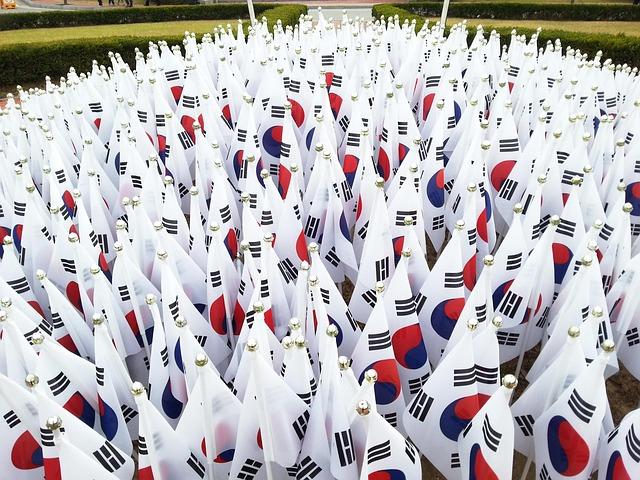
South Korea finds itself at a critical crossroads as it seeks to balance its strategic alliance with the United States against growing economic and diplomatic pressures from China. Caught in the midst of escalating U.S.-China tensions, Seoul is grappling with complex challenges in maintaining national security, economic stability, and regional influence. This delicate positioning underscores South Korea’s broader struggle to navigate an increasingly polarized geopolitical landscape, where every diplomatic move carries significant implications for its future.
South Koreas Strategic Balancing Act Amid Rising US China Tensions
South Korea finds itself walking a geopolitical tightrope as the rivalry between the United States and China intensifies. In a bid to safeguard its economic prosperity and national security, Seoul is cautiously recalibrating its foreign policy to avoid alienating either superpower. Maintaining strong military ties with the U.S. remains crucial, especially given North Korea’s ongoing nuclear threat. Yet, South Korea also deeply depends on China as its largest trading partner, creating a complex interdependency that requires diplomatic finesse.
To manage this intricate balancing act, South Korea is adopting a multifaceted strategy that includes:
- Strengthening regional alliances: Expanding partnerships with ASEAN countries and Japan to bolster collective security and economic collaboration.
- Promoting economic diversification: Reducing overreliance on China by accelerating trade deals with other global markets.
- Pursuing strategic dialogue: Engaging both Washington and Beijing simultaneously to mediate tensions without taking sides openly.
| Aspect | U.S. Relationship | China Relationship |
|---|---|---|
| Economic Reliance | Moderate | High |
| Military Cooperation | Strong | Minimal |
| Political Diplomacy | Robust | Delicate |
| Strategic Priority | Security Focus | Economic Focus |
Economic Dependencies Challenge Seoul’s Diplomatic Maneuvering
Seoul’s strategic calculations remain deeply influenced by the intricate web of economic dependencies it shares with both Washington and Beijing. The South Korean economy relies heavily on exports to China, which accounts for nearly a quarter of its trade volume, making any diplomatic friction a potential threat to domestic growth. Meanwhile, the U.S. continues to be a vital security partner, supplying critical military support and championing advanced technology trade that underpins Seoul’s innovation sectors. Balancing these demands requires nimble diplomacy, especially as geopolitical tensions between the two global superpowers intensify.
Key pressures facing South Korea include:
- Supply Chain Vulnerabilities: Disruptions caused by sanctions and tech restrictions impact semiconductor production.
- Trade Policy Alignment: Ensuring compliance with U.S.-led trade frameworks without alienating China.
- Security Commitments: Maintaining the U.S. alliance amid increasing regional competition.
| Sector | Dependency Level | Primary Partner |
|---|---|---|
| Semiconductors | High | United States |
| Consumer Electronics | Moderate | China |
| Automotive Exports | High | China |
| Defense Technology | High | United States |
Policy Recommendations for Strengthening South Koreas Regional Autonomy
Enhancing Regional Governance: To fortify South Korea’s regional autonomy amid geopolitical tensions, it is imperative to bolster local governance frameworks. This involves empowering regional authorities with greater fiscal independence and decision-making capabilities, enabling them to better respond to both domestic needs and external pressures. Strengthening inter-regional cooperation mechanisms can also help mitigate vulnerabilities from excessive reliance on central directives influenced by external great powers. Additionally, investing in regional innovation hubs will diversify local economies, reducing dependency on foreign markets and enhancing resilience against potential economic coercion.
Strategic Diplomatic Maneuvers: Crafting nuanced diplomatic strategies that emphasize multilateralism is key for South Korea to maintain a balanced posture. Encouraging regional partnerships beyond the dominant U.S.-China axis, such as through the ASEAN framework or East Asian bilateral initiatives, can create diversified support networks. Moreover, advancing transparent communication channels at the regional level-coupled with robust disaster response and security coordination – will reinforce South Korea’s agency within Northeast Asia’s complex landscape.
- Grant greater fiscal autonomy to provincial governments
- Develop regional economic resilience programs
- Enhance collaboration with ASEAN and neighboring states
- Promote transparent regional security dialogues
| Policy Area | Recommended Action | Expected Outcome |
|---|---|---|
| Fiscal Decentralization | Increase local budget control | Boost regional adaptability |
| Economic Diversification | Support innovation clusters | Reduce external dependencies |
| Multilateral Diplomacy | Expand ASEAN ties | Strengthen diplomatic networks |
| Security Cooperation | Establish regional dialogues | Enhance crisis management |
To Wrap It Up
As South Korea continues to balance its strategic alliance with the United States against the economic and diplomatic pressures from China, its position remains one of precarious complexity. Navigating this delicate geopolitical landscape will require careful diplomacy and calculated decision-making, as Seoul seeks to safeguard its national interests amid intensifying U.S.-China rivalry. The coming months are likely to test South Korea’s resolve and adaptability in maintaining stability both regionally and globally.