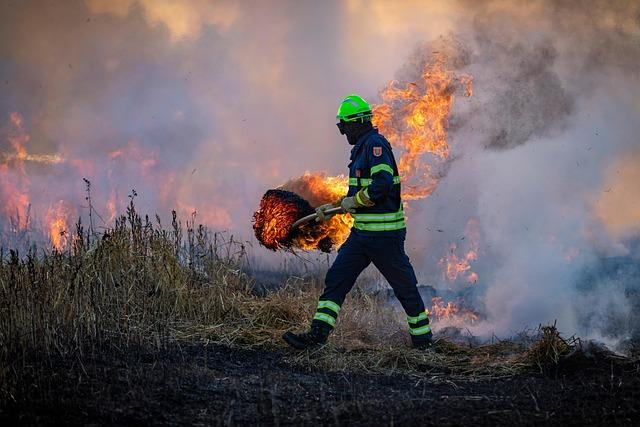
A massive wildfire has scorched more than 5,500 hectares of land in Argentina, officials reported Tuesday. The blaze, which continues to rage in a region already vulnerable to dry conditions, has prompted urgent response efforts from local authorities. Speaking to the media, the provincial governor highlighted the scale of the disaster and the challenges firefighters face in containing the fire. This developing situation underscores the increasing threat of wildfires in South America amid changing climate patterns.
Argentina Wildfire Devastates Over 5500 Hectares in Widespread Blaze
The recent wildfire in Argentina has overwhelmed fire containment efforts, destroying more than 5,500 hectares of land in multiple provinces. Authorities report that dry conditions and strong winds fueled the rapid spread of flames, challenging firefighting crews across several affected zones. Local officials have mobilized additional resources, including helicopters and ground teams, to prevent further expansion of the blaze.
Damage assessments are ongoing, but preliminary reports highlight significant losses to:
- Forest reserves and natural habitats
- Agricultural fields critical to local economies
- Rural infrastructure and livestock
| Province | Hectares Burned | Status |
|---|---|---|
| Buenos Aires | 2,100 | Active Fire |
| Córdoba | 1,800 | Contained |
| Santa Fe | 1,600 | Monitoring |
Governor Details Emergency Response Efforts and Evacuation Measures
State and local agencies are coordinating a robust emergency response to contain the rapidly spreading fire and ensure the safety of residents in affected areas. The governor reported that over 200 firefighters, supported by aerial water drops and heavy machinery, are actively battling the blaze. Evacuation orders have been issued for several communities, with temporary shelters established to accommodate displaced families. Emergency hotlines have been set up to provide real-time updates and aid requests, while road closures are being enforced to facilitate smooth movement of emergency vehicles.
Authorities have outlined key safety measures and priorities for residents:
- Immediate evacuation for high-risk zones following official notifications
- Regular communication through official channels to track fire progression
- Access to medical and psychological support at designated centers
- Coordination with utility companies to prevent secondary hazards such as power outages and gas leaks
| Resource | Deployed Units | Current Status |
|---|---|---|
| Firefighters | 220+ | Active on multiple fronts |
| Helicopters | 5 | Conducting water drops |
| Evacuation Shelters | 7 | Operational and accepting evacuees |
Experts Urge Strengthened Fire Prevention Policies and Community Preparedness Programs
In the wake of the devastating wildfire that swept through over 5,500 hectares in Argentina, experts are calling for urgent reforms in fire prevention strategies and enhanced community preparedness initiatives. Fire management authorities emphasize that current measures are insufficient to cope with the growing frequency and intensity of such incidents, driven by climate change and human activity. They recommend bolstering early warning systems, increasing funding for firefighting resources, and improving land management practices to mitigate the risk of uncontrolled wildfires.
Community involvement is also highlighted as a critical component to disaster resilience. Specialists advocate for comprehensive education programs aimed at:
- Raising awareness about fire hazards
- Training residents in evacuation protocols
- Implementing local fire watch groups
These efforts aim to empower local populations to respond proactively and efficiently, reducing the potential damage to both lives and property. The coordination between governmental agencies, environmental organizations, and communities is deemed essential to create a sustainable and scalable framework for wildfire prevention.
| Policy Element | Proposed Action | Expected Benefit |
|---|---|---|
| Early Warning Systems | Install additional monitoring sensors | Faster detection and response |
| Community Training | Conduct annual fire drills | Improved readiness and safety |
| Land Management | Clear dry vegetation regularly | Reduced fuel for fires |
The Conclusion
As firefighting efforts continue, authorities remain vigilant in containing the wildfire that has scorched over 5,500 hectares in Argentina. Officials emphasize the importance of coordinated response and community cooperation to prevent further damage. Updates will follow as the situation develops.