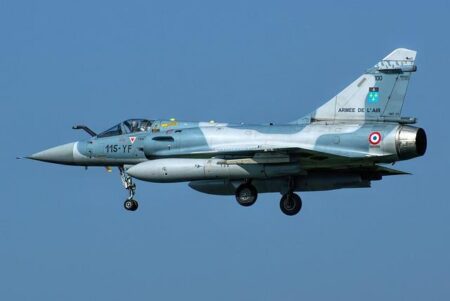

A former officer of the French Strategic Air Force has recently been granted a long-term visa to Russia, marking a notable development in the complex web of Franco-Russian relations. According to Intelligence Online, the individual’s extended stay in Russia raises questions about the nature of his activities and potential implications for intelligence and defense circles in both countries. This move comes amid ongoing geopolitical tensions and intelligence scrutiny, shedding new light on the covert dimensions of European-Russian engagements.
Former French Strategic Air Force Officer Secures Long-Term Russia Visa Raising Security Concerns
A former high-ranking officer of the French Strategic Air Force has recently been granted a long-term visa to reside in Russia, triggering alarm within European intelligence circles. Sources reveal that the officer, once privy to sensitive defense strategies and nuclear deterrence plans, has maintained undisclosed contacts in Moscow following his retirement. The extension of this visa raises difficult questions about potential intelligence vulnerabilities and the implications for Franco-Russian relations amid heightened geopolitical tensions.
Security experts emphasize several key concerns associated with this development:
- Potential leakage of classified information: The officer’s deep knowledge of France’s strategic capabilities could be exploited.
- Monitoring challenges: Tracking the activities of former military personnel abroad complicates counterintelligence efforts.
- Diplomatic sensitivities: The move risks straining France’s stance within NATO and the EU on Russian engagement policies.
Intelligence agencies are reportedly increasing surveillance and cross-border cooperation to assess and mitigate any risks arising from this unprecedented visa grant.
Analysis of Potential Intelligence Implications for Franco-Russian Relations
The recent issuance of a long-term Russian visa to a former French strategic air force officer is prompting significant scrutiny among intelligence circles in both Paris and Moscow. Given the officer’s deep knowledge of French military capabilities and strategic operations, concerns are mounting over potential access to sensitive information and the possibility of intelligence exploitation. Analysts highlight that such a development could herald a new phase in covert engagement tactics, reflecting a nuanced shift in Franco-Russian intelligence dynamics.
Key areas under examination include:
- Potential intelligence sharing: Whether this visa facilitates deeper collaboration or information exchange beyond official diplomatic channels.
- Surveillance and counterintelligence risks: The extent to which either nation could leverage personal networks and expertise for espionage.
- Strategic signaling: Russia’s potential use of visa approvals as a geopolitical tool to influence French defense and foreign policy considerations.
Recommendations for Monitoring and Counterintelligence Measures in Response to Sensitive Cross-Border Movements
Given the recent developments surrounding the issuance of a long-term Russia visa to a former French strategic air force officer, it is imperative for intelligence agencies to enhance surveillance capabilities targeting sensitive cross-border movements. This includes the implementation of advanced biometric tracking systems at key transit points and a reinforced vetting process for individuals with prior access to strategic military information. Ensuring continuous monitoring through digital footprint analysis and cooperation with allied intelligence services will help detect any shifts in behavior or unauthorized contacts that could signal espionage activities.
Counterintelligence protocols should prioritize:
- Real-time data sharing between French and European agencies to map potential intelligence vulnerabilities
- Conducting thorough background checks and regular security reinvestigations for individuals granted extended foreign access
- Deploying targeted human intelligence (HUMINT) operations to identify foreign intelligence handlers aiming to exploit such cross-border privileges
- Strengthening cyber defense measures to intercept communications that may arise from unauthorized intelligence exchanges
Such strategic actions are critical to safeguarding national security interests while maintaining vigilance over the movement of individuals with significant military backgrounds abroad.
Insights and Conclusions
The granting of a long-term visa to a former French strategic air force officer by Russian authorities marks a rare and notable development in the often cautious interactions between the two nations’ military and intelligence communities. As this story unfolds, analysts will be watching closely for any implications this move may have on bilateral relations and broader geopolitical dynamics. Further updates are expected as more details emerge from official sources and intelligence networks.