
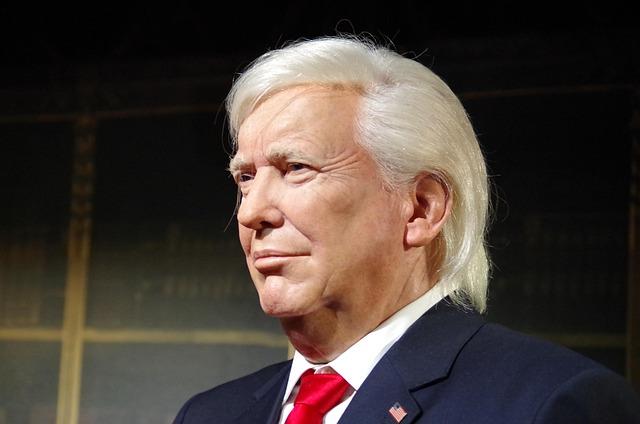
Former National Security Advisor John Bolton has warned that former President Donald Trump’s proposed purchase of Greenland would be a “disaster” for the United States. In a critical assessment shared with Euronews, Bolton highlighted the geopolitical and strategic risks inherent in such a move, suggesting that it could undermine America’s alliances and global standing. This article explores the implications of Trump’s controversial Greenland proposal and the expert reactions it has provoked.
Bolton Warns of Strategic Risks in Potential Greenland Acquisition
Former National Security Advisor John Bolton has expressed deep concerns over the potential acquisition of Greenland, warning that such a move could significantly destabilize America’s strategic positioning. According to Bolton, the pursuit of Greenland could spark geo-political tensions with key allies and adversaries alike, undermining decades of diplomatic efforts in the Arctic region. He stressed that the island’s vast natural resources and pivotal location make it too crucial to be handled as a simple real estate transaction.
Bolton highlighted several risks associated with this acquisition, including:
- Strained relations with Denmark, Greenland’s sovereign state, which could view the move as aggressive and disrespectful.
- Heightened competition with Russia and China, both of whom have been expanding their Arctic influence.
- Compromised US credibility in international negotiations over territorial sovereignty and environmental protections.
He concluded that such a maneuver, rather than securing American interests, might instead lead to a “strategic disaster” that weakens the US’s standing on the global stage.
Implications for US Foreign Policy and Arctic Geopolitics
The controversial attempt by former President Trump to purchase Greenland sent ripples through Washington’s strategic circles, prompting sharp debates about the future of US engagement in the Arctic. Critics argue that such a move could strain diplomatic ties with Denmark and Greenland’s autonomous government, potentially undermining long-standing alliances that are crucial for regional stability. Moreover, the proposal was seen as a gambit that trivialized complex geopolitical dynamics where sovereignty, indigenous rights, and environmental concerns converge.
Beyond diplomatic fallout, the push for acquisition sparked broader discussions on the emerging security landscape in the Arctic. As global powers intensify their presence in this resource-rich and strategically vital region, the US must navigate competing interests with careful diplomacy. Key implications include:
- Heightened military readiness: Ensuring a strong naval and air presence to counter increasing Russian and Chinese activities.
- Strengthened multilateral cooperation: Deepening partnerships with Nordic countries and Arctic Council members to promote collective security.
- Environmental stewardship: Balancing resource exploitation with climate change challenges unique to the Arctic environment.
Expert Recommendations for Navigating Greenland’s Economic and Security Challenges
Amid evolving geopolitical tensions, experts emphasize a nuanced approach to Greenland’s multifaceted challenges. Rather than aggressive acquisitions, analysts urge the U.S. to prioritize diplomatic engagement and strategic partnerships that respect Greenland’s autonomy while enhancing regional security. Collaborative frameworks focusing on Arctic sovereignty, environmental protection, and indigenous rights are seen as vital pillars for sustainable progress. This approach can mitigate risks tied to unilateral actions that may alienate allies and provoke adversaries.
Key recommendations include:
- Investing in long-term infrastructure development to bolster Greenland’s economic independence and resilience.
- Enhancing intelligence-sharing and joint military exercises among Arctic nations to safeguard critical shipping routes and natural resources.
- Supporting local governance and community-led initiatives to ensure policies reflect the diverse interests of Greenland’s population.
- Promoting multilateral cooperation through Arctic Council platforms to balance environmental stewardship with security imperatives.
Concluding Remarks
As discussions over Greenland’s strategic importance continue to unfold, former National Security Advisor John Bolton’s stark warning underscores the potential risks of President Trump’s proposal. Experts and policymakers remain divided on the implications of such a move, but Bolton’s assessment highlights the complexity and potential fallout of pursuing territorial acquisitions in today’s geopolitical landscape. The debate over Greenland serves as a poignant reminder of the balancing act between national interests and international diplomacy that defines U.S. foreign policy.