
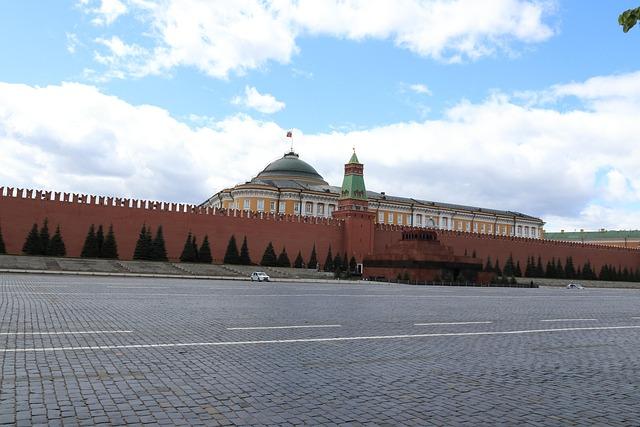
As Russia’s international posture grows increasingly isolated, President Vladimir Putin faces a mounting crisis of credibility on the global stage. Once a pivotal player with a broad network of allies and partners, Moscow now contends with widespread condemnation, eroding alliances, and dwindling influence. This article explores how Russia’s recent actions have triggered a wave of diplomatic attrition, examining the geopolitical ramifications of Moscow’s shrinking circle of friends and the long-term impact on Putin’s ambitions.
Putin’s Isolation Expands as Traditional Allies Reassess Ties
In recent months, Russia’s longstanding network of alliances has faced unprecedented strain, with several traditional partners publicly reevaluating their diplomatic and economic connections. Nations once considered steadfast in their support are increasingly voicing concerns over Moscow’s strategic decisions, raising questions about the sustainability of these relationships. The palpable shift is driven by a combination of geopolitical recalibrations and the growing unpopularity of Russia’s foreign policies on the world stage.
Key factors contributing to this gradual estrangement include:
- Economic sanctions intensifying pressures on allied states that risk secondary sanctions or economic backlash.
- Conflicting interests in regional conflicts and international forums prompting hesitance among partners.
- Domestic political shifts within allied nations prioritizing alignment with Western policies or neutrality.
As a result, Moscow increasingly finds itself navigating a narrower corridor of support, forcing a reassessment of its diplomatic strategies on multiple fronts.
Eroding Credibility on the World Stage Challenges Russia’s Strategic Influence
Over the past decade, Russia’s strategic positioning on the international stage has faced unprecedented challenges, as its actions have increasingly strained relations with former allies and neutral states alike. Once viewed as a formidable global power capable of influencing regional dynamics, Moscow now grapples with widespread skepticism fueled by economic sanctions, military aggressions, and a growing perception of unreliability. This erosion of trust has not only isolated Russia diplomatically but also weakened its ability to project influence in key geopolitical arenas.
Compounding these setbacks, Russia’s narrative is losing traction amid a global environment increasingly aligned against its interests. Countries that once maintained cautious cooperation have shifted towards critical engagement or outright opposition, recognizing the risks of association. The erosion is further underscored by:
- Diminishing diplomatic clout in major international organizations.
- Loss of economic partnerships as sanctions bite deeper.
- Credibility gaps in global media and intelligence assessments.
- Fragmentation among traditional allies, who are reevaluating their strategic priorities.
As Russia contends with this multidimensional attrition, the repercussions on its long-term strategic influence remain profound, signaling a pivotal shift in the global power balance.
Diplomatic Reset Suggested for Kyiv and Western Partners to Exploit Russia’s Weakening Position
Amid mounting international pressure and growing isolation, new voices within Kyiv and Western diplomatic circles are advocating for a strategic recalibration in their approach to Russia. This proposed reset seeks to capitalize on the Kremlin’s eroding alliances and economic vulnerabilities by fostering enhanced coordination and united policy responses. Key to this initiative is the recognition that Russia’s regional influence is waning, creating openings for Kyiv and its partners to strengthen sanctions regimes, increase intelligence sharing, and push for more robust diplomatic isolation of Moscow on the global stage.
Western governments, alongside Ukrainian officials, are exploring several tactical measures to solidify this unified front. These include:
- Expanding multilateral dialogue platforms to ensure swift and synchronized decision-making.
- Introducing targeted economic incentives for countries hesitant to sever ties with Russia.
- Enhancing support for Ukraine’s defense capabilities through accelerated military aid and training programs.
- Amplifying efforts to expose and counter Russian disinformation campaigns that undermine trust among potential allies.
By leveraging these strategies, Kyiv and its Western partners aim to not only exploit the Kremlin’s diminishing global standing but also to lay the groundwork for a lasting geopolitical realignment favorable to European security and democratic resilience.
To Conclude
As Russia’s international standing continues to erode amid sustained geopolitical conflicts and mounting sanctions, the country faces an increasingly isolated future on the global stage. Moscow’s shrinking list of allies and the growing doubts over its credibility signal a profound shift in the balance of power, with long-term implications for regional stability and international diplomacy. The unfolding dynamics underscore the challenges ahead for Russia as it navigates a world that is steadily distancing itself from its agenda and influence.