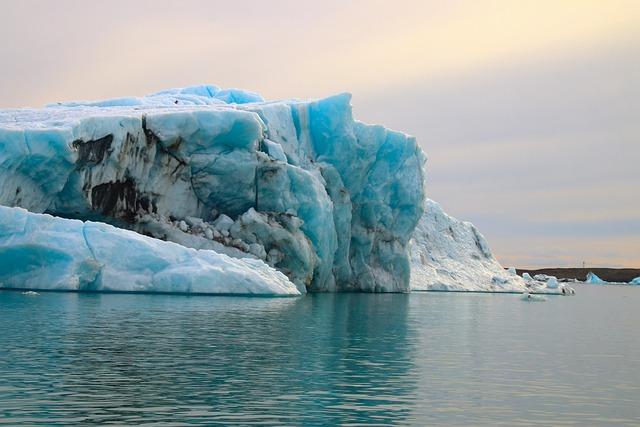
The United Kingdom and Norway have pledged their support for NATO’s newly announced “Arctic Sentry” mission, aimed at bolstering security and surveillance across the strategically vital Arctic region, including Greenland. This initiative comes amid growing geopolitical tensions and heightened interest from global powers in the Arctic’s evolving landscape. The mission underscores NATO’s commitment to safeguarding its northern flank and ensuring stability in one of the world’s most rapidly changing and resource-rich areas.
UK and Norway Strengthen NATO’s Arctic Presence with New Surveillance Initiative
The United Kingdom and Norway have unveiled a groundbreaking initiative to boost NATO’s surveillance capabilities across the Arctic, with a particular focus on heightened monitoring in Greenland. This move, part of the newly established ‘Arctic Sentry’ mission, aims to strengthen the alliance’s presence in a region experiencing growing geopolitical tensions and environmental changes. The operation will deploy cutting-edge reconnaissance technology, including advanced radar systems and unmanned aerial vehicles, to track potential military activities and secure vital maritime routes in the High North.
The Arctic Sentry mission underscores the strategic importance of the Arctic as climate change unlocks new navigation corridors and resource opportunities. Officials highlight several key components of the initiative:
- Enhanced joint surveillance: Collaborative real-time data sharing between UK and Norwegian forces to improve situational awareness.
- Investment in infrastructure: Upgrading existing bases and establishing new remote outposts to facilitate rapid response.
- Multinational cooperation: Inclusive exercises and intelligence operations to integrate allied forces effectively.
By bolstering NATO’s vigilance in this critical area, the UK and Norway seek to deter potential threats while ensuring the Arctic remains a zone of stability and security.
Strategic Importance of Greenland in Arctic Security Operations
Greenland emerges as a critical vantage point in the evolving security landscape of the Arctic, offering unparalleled strategic depth for NATO operations. Its expansive territory and proximity to major Arctic sea routes enable enhanced monitoring of military and commercial activities in the region. The island serves as a vital outpost for early warning systems, including radar installations that track potential aerial and maritime threats. As the Arctic ice recedes, opening new navigation corridors, Greenland’s geographic position transforms it into a linchpin for maintaining regional stability and ensuring freedom of navigation amidst intensifying geopolitical competition.
Key advantages of Greenland’s role include:
- Advanced surveillance capabilities to oversee Northern Atlantic and Arctic passageways
- Support for rapid deployment and logistical sustainment of allied forces
- Facilitation of joint exercises and intelligence-sharing among NATO members
- Deterrence through visible military presence in a strategically sensitive area
By leveraging Greenland’s strategic assets, NATO’s ‘Arctic Sentry’ mission aims to fortify collective defense and project stability in a region increasingly contested by global powers. This initiative underlines the island’s significance beyond traditional defense, positioning it as a cornerstone in the alliance’s Arctic security architecture.
Recommendations for Enhancing Multinational Cooperation in Arctic Defense
To fortify multinational efforts in Arctic defense, it is imperative that NATO members prioritize seamless communication channels and intelligence sharing across all operational levels. Investing in advanced surveillance technologies, such as satellite reconnaissance and unmanned aerial systems, will significantly enhance situational awareness in this challenging environment. Equally important is the establishment of joint training exercises that simulate Arctic conditions, fostering interoperability and mutual understanding among diverse military units. This hands-on collaboration not only refines tactical coordination but also builds trust and resilience against emerging threats in the region.
Furthermore, addressing logistical challenges through cooperative infrastructure development is essential for sustaining long-term Arctic missions. Key recommendations include:
- Enhancing port facilities and airstrips in strategic locations like Greenland to enable rapid deployment and supply chain efficiency.
- Standardizing equipment and communication protocols to facilitate joint operations across different national forces.
- Leveraging environmental data-sharing agreements to anticipate and adapt to the Arctic’s volatile climate conditions.
Such measures will not only accelerate operational readiness but also reinforce a unified front, ensuring the Arctic remains a secure and stable theater within the broader NATO defense strategy.
To Wrap It Up
As the Arctic continues to emerge as a strategic frontier, the UK and Norway’s support for NATO’s ‘Arctic Sentry’ mission underscores the alliance’s commitment to safeguarding northern interests and maintaining stability in the region. With Greenland playing a pivotal role in the operation, this collaboration reflects growing geopolitical concerns and the need for heightened vigilance amid evolving security dynamics. As the mission advances, attention will remain focused on how NATO balances defense priorities with the complex environmental and diplomatic challenges unique to the Arctic.