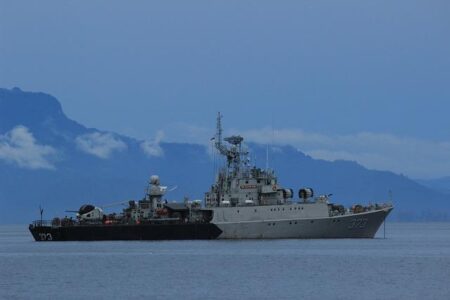

Germany has joined its NATO allies in a strategic yet largely symbolic mission to Greenland, underscoring the growing geopolitical significance of the Arctic region. The deployment highlights Germany’s commitment to collective defense and cooperation within the alliance amid increasing global attention on the Arctic’s security and environmental challenges. This collaborative effort reflects the evolving dynamics of NATO’s presence beyond traditional theaters, as member states seek to assert their interests in the increasingly contested Arctic landscape.
Germany Strengthens NATO Presence in Arctic with Greenland Deployment
Germany has taken a significant step in bolstering NATO’s strategic footprint in the Arctic region by deploying military personnel and equipment to Greenland. This move comes amid increasing geopolitical tensions and the emerging importance of the Arctic as a theater for defense and resource access. The deployment, described by German officials as largely “symbolic,” is part of a broader NATO effort to demonstrate unity and readiness in the face of evolving security challenges posed by state and non-state actors in the high north.
The mission includes multiple key objectives: enhancing surveillance capabilities, conducting joint exercises with allied forces, and improving logistical support in harsh Arctic conditions. Such initiatives aim to solidify NATO’s presence amidst concerns over Russia’s expanding military activities and China’s growing interest in the region. The operation also underscores Germany’s commitment to collective defense principles and signals its willingness to contribute actively to the alliance’s Arctic posture now and in the future.
Strategic Implications of Germany’s Role in Arctic Security Operations
Germany’s participation alongside NATO allies in the Greenland mission signals a notable shift in its defense posture, reflecting a growing recognition of the Arctic’s strategic importance. The deployment, albeit described as “symbolic,” underscores Germany’s commitment to collective security in a region increasingly contested by global powers. As Arctic ice recedes and new maritime routes open, the potential for geopolitical friction rises, prompting NATO to bolster its northern flank. Germany’s involvement not only exemplifies solidarity within the alliance but also positions Berlin as an active player in shaping the emerging security architecture in the High North.
Beyond mere presence, this operation serves multiple strategic objectives:
- Enhancing interoperability: Strengthening joint operational capabilities with Nordic and Baltic partners.
- Signaling deterrence: Demonstrating NATO’s unified stance against any encroachments by rival powers.
- Expanding strategic reach: Allowing Germany to gain firsthand experience in Arctic conditions and logistics.
These elements are crucial as the Arctic becomes a focal point for resource competition and military positioning, with Germany actively adapting its defense priorities to meet evolving challenges in this remote yet geopolitically vital region.
Enhancing Arctic Collaboration Recommendations for NATO and German Military Integration
As Germany deepens its engagement with NATO in the Arctic, a strategic blueprint emphasizing enhanced military integration is essential. The challenging Arctic environment demands a coordinated approach that leverages each ally’s strengths, allowing for improved operational readiness and mutual support. Germany’s recent Greenland mission symbolizes more than a diplomatic gesture; it marks a commitment to strengthening joint capabilities amidst evolving geopolitical tensions. Effective collaboration entails sharing intelligence, conducting joint training exercises, and establishing rapid-reaction units tailored for extreme cold-weather scenarios.
To ensure the success of this integrated framework, several critical steps must be prioritized:
- Standardizing communication protocols across NATO forces to ensure seamless coordination during Arctic operations.
- Investing in Arctic-specific technologies such as ice-capable vessels and advanced surveillance systems.
- Enhancing logistical support chains to sustain prolonged deployments in remote and harsh conditions.
- Fostering bilateral and multilateral training programs to build interoperability and trust among participating nations.
These recommendations serve not only to bolster collective defense but also to underscore the alliance’s adaptability in securing the increasingly strategic High North.
The Conclusion
As Germany joins its NATO allies in the symbolic Greenland mission, the move underscores the alliance’s commitment to Arctic security amid growing geopolitical tensions in the region. While primarily a demonstration of solidarity, the deployment highlights the increasing strategic importance of the Arctic and signals Germany’s willingness to play a more active role within NATO’s northern flank. Observers will be watching closely as the mission unfolds, reflecting broader shifts in defense priorities among Western powers.